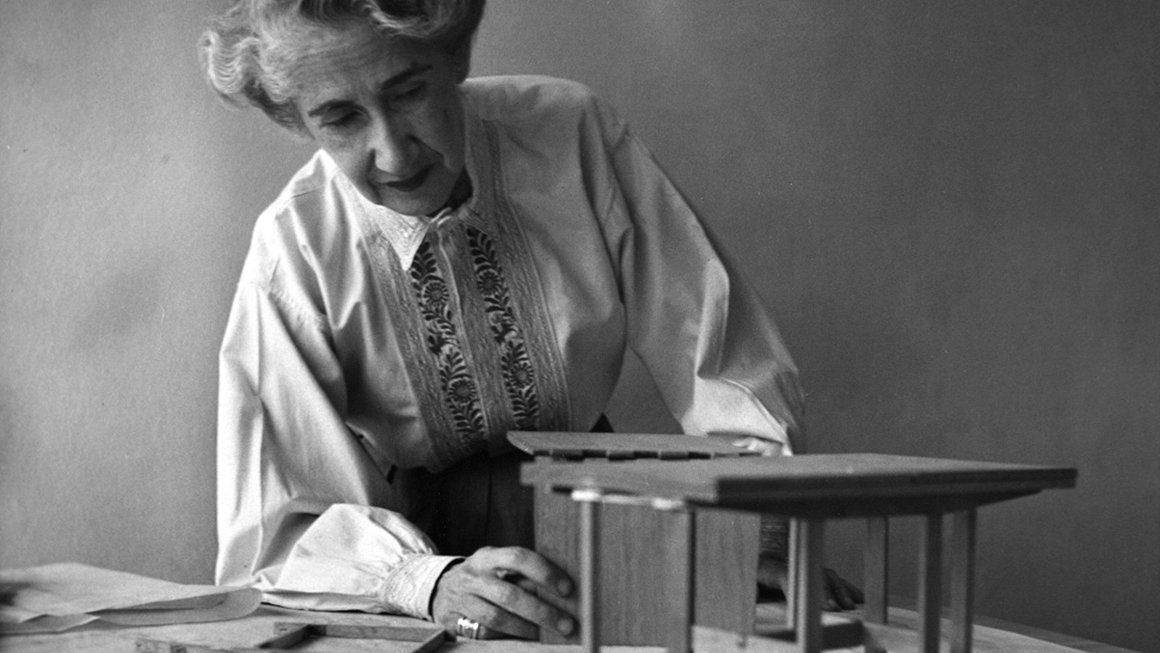
Clara Porset Dumas
See also: Luteca
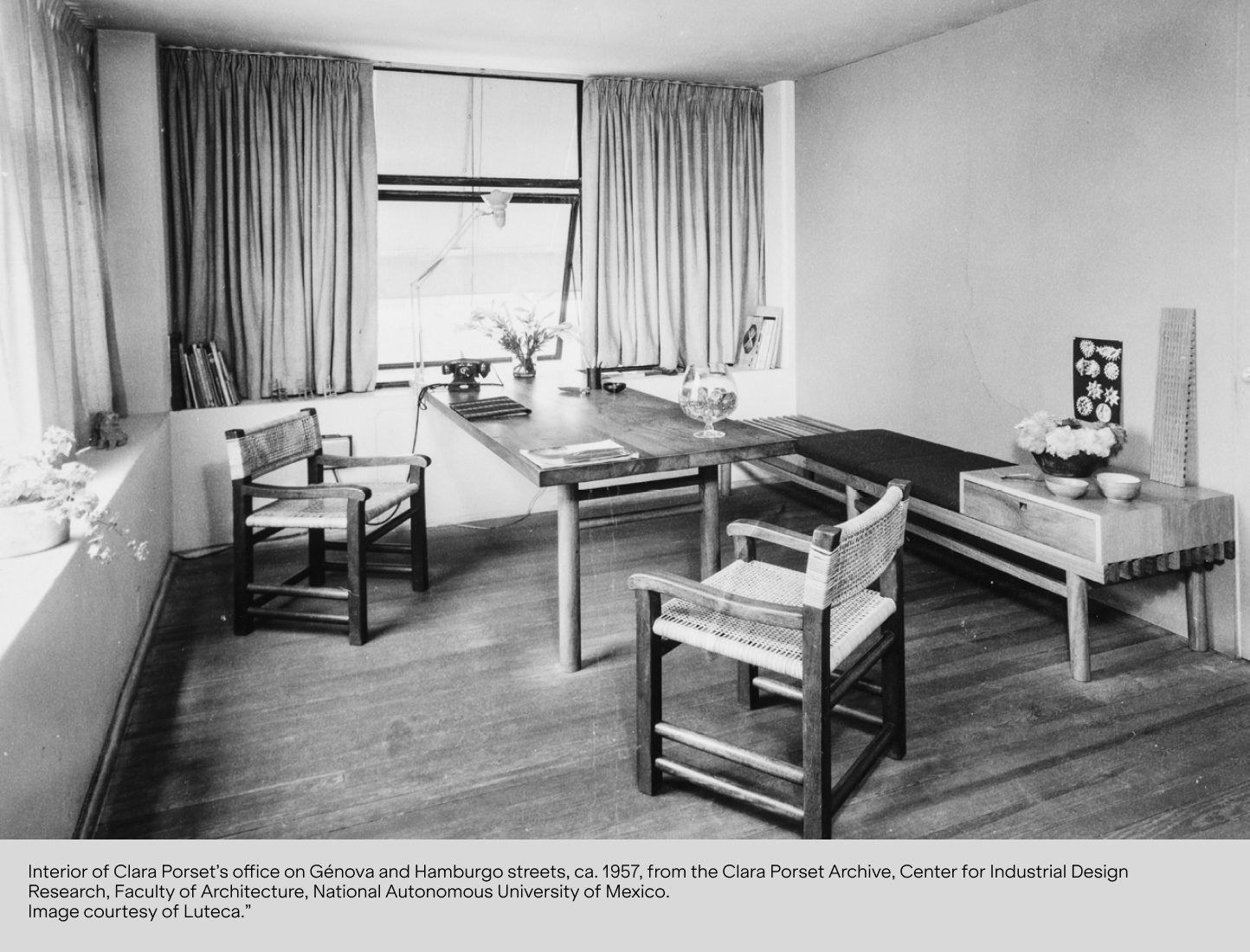
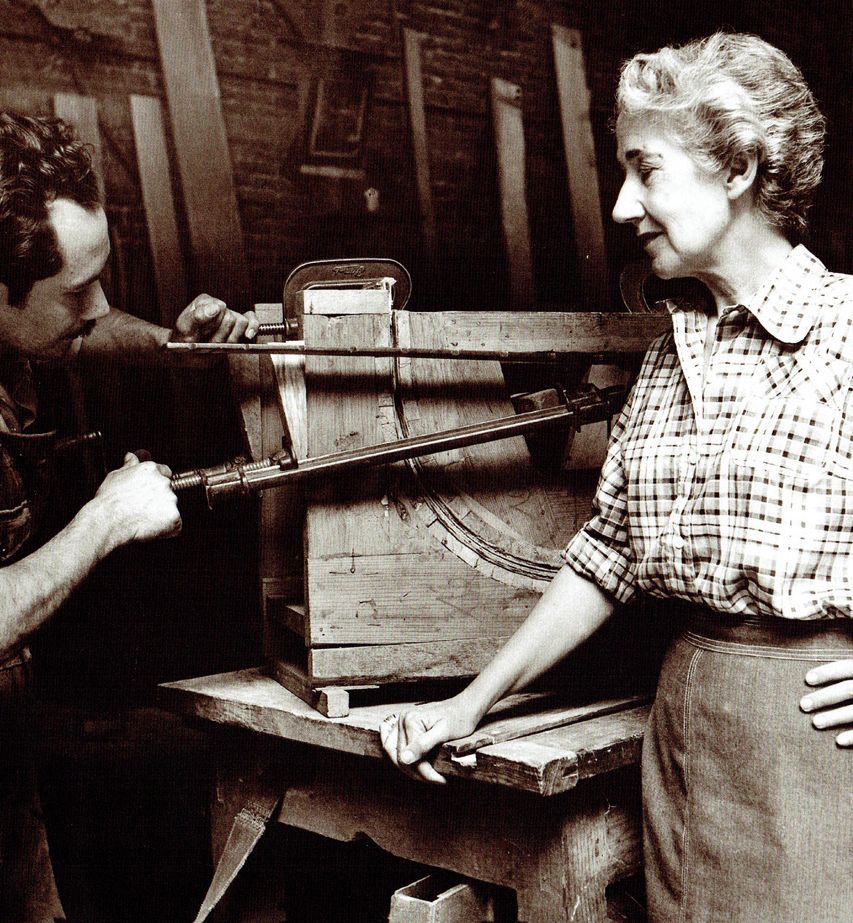
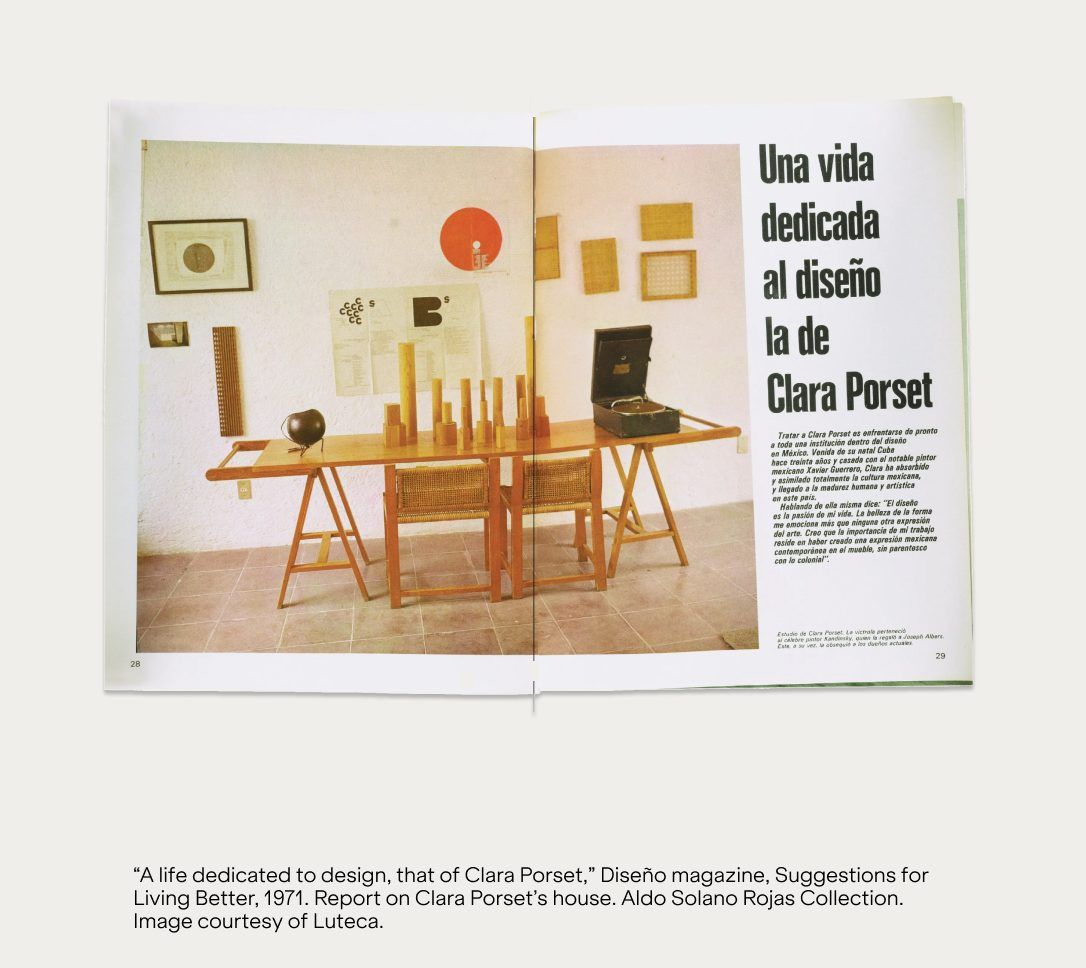
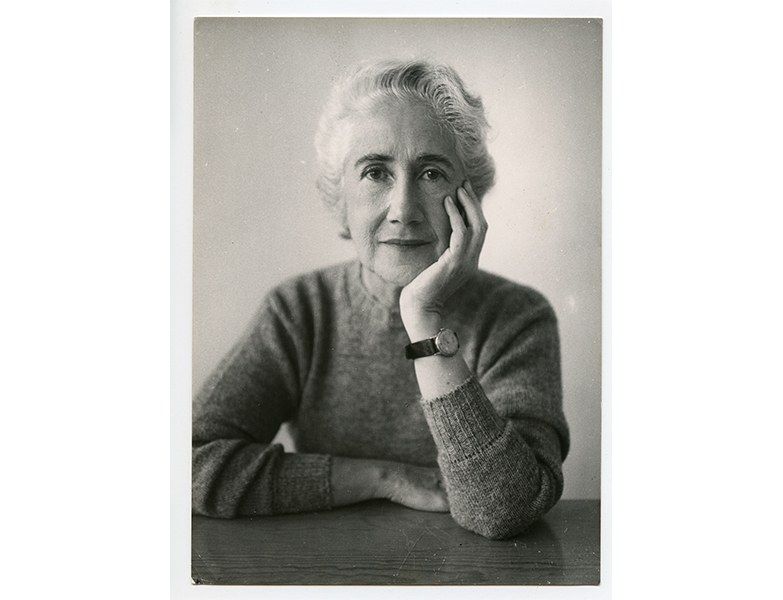
Clara Porset, a furniture and interior designer whose European modernism and Mexican vernacular tradition established her as a foundational figure in Latin American design and a pioneer of Mexican modernism.
Porset was born into a wealthy family in Matanzas, Cuba. She studied at Columbia University's School of Fine Arts and the New York School of Interior Design during the 1920s, and later traveled to Europe, where she attended classes at the École des Beaux Arts, the Sorbonne and the Louvre, and studied architecture and furniture design in the Paris studio of Henri Rapin. In 1933, despite her established professional practice in Cuba, she wrote to Gropius inquiring about enrollment at the Bauhaus, but pressure from certain political influences made this impossible.
Gropius recommended she instead study at Black Mountain College in North Carolina, which she attended in the summer of 1934. After returning to Cuba and serving briefly as artistic director of the Escuela Técnica para Mujeres, her political outspokenness forced her to leave in 1935.
She moved to Mexico, where she married the painter and muralist Xavier Guerrero and remained for most of her life, becoming one of the country's leading designers.
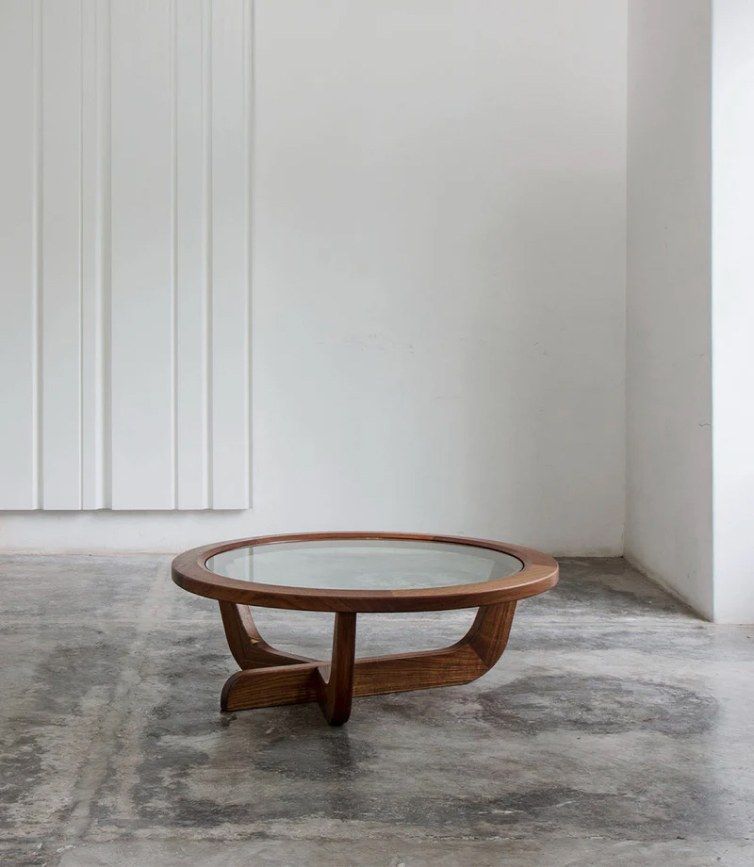
Key Works and Projects
Several works define her contribution:
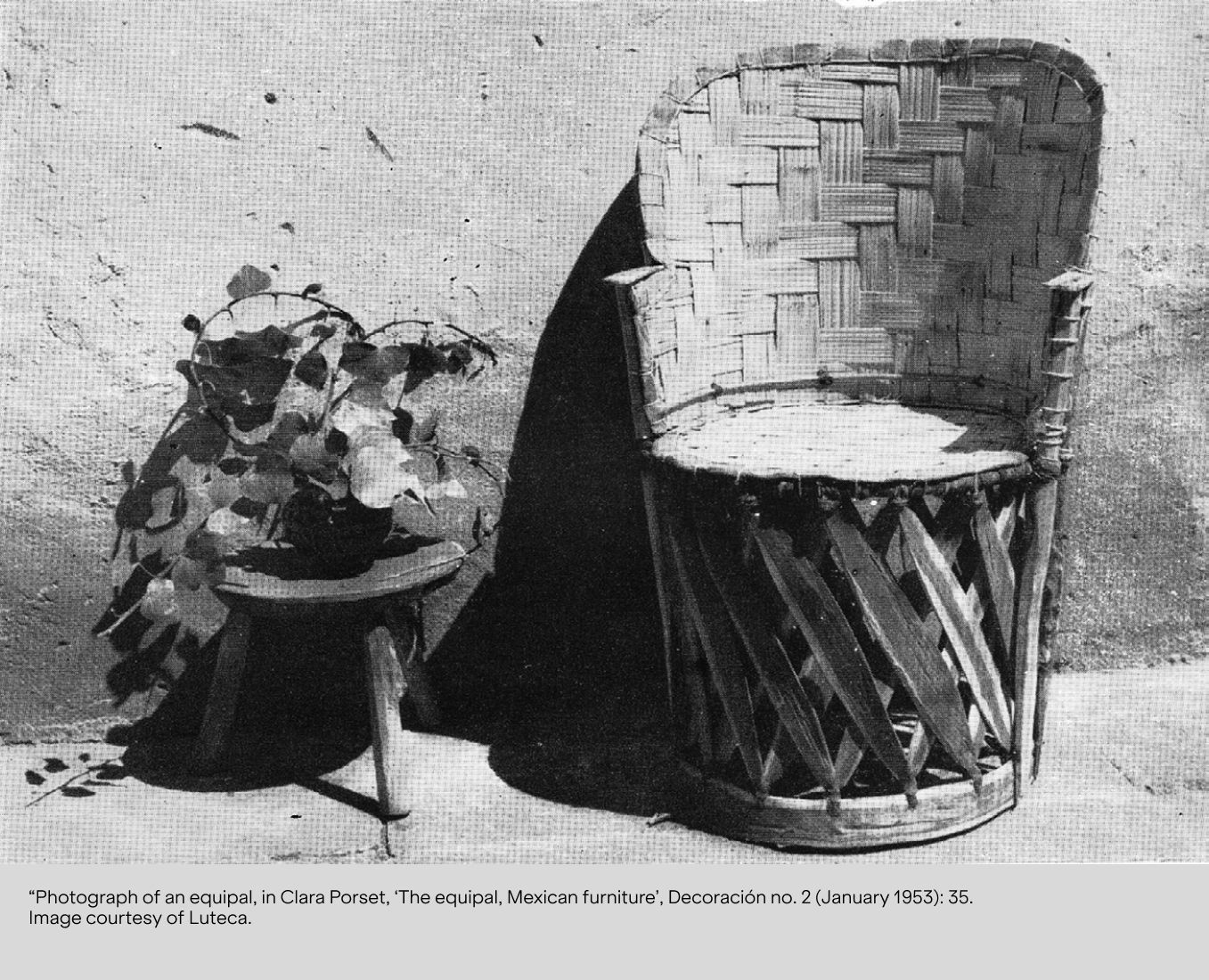
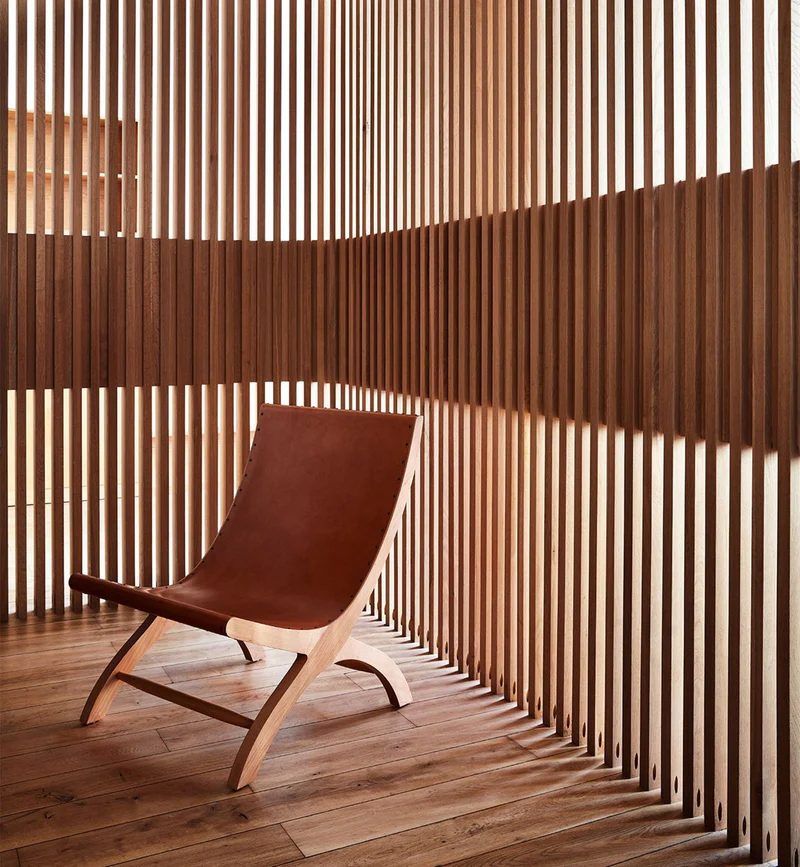
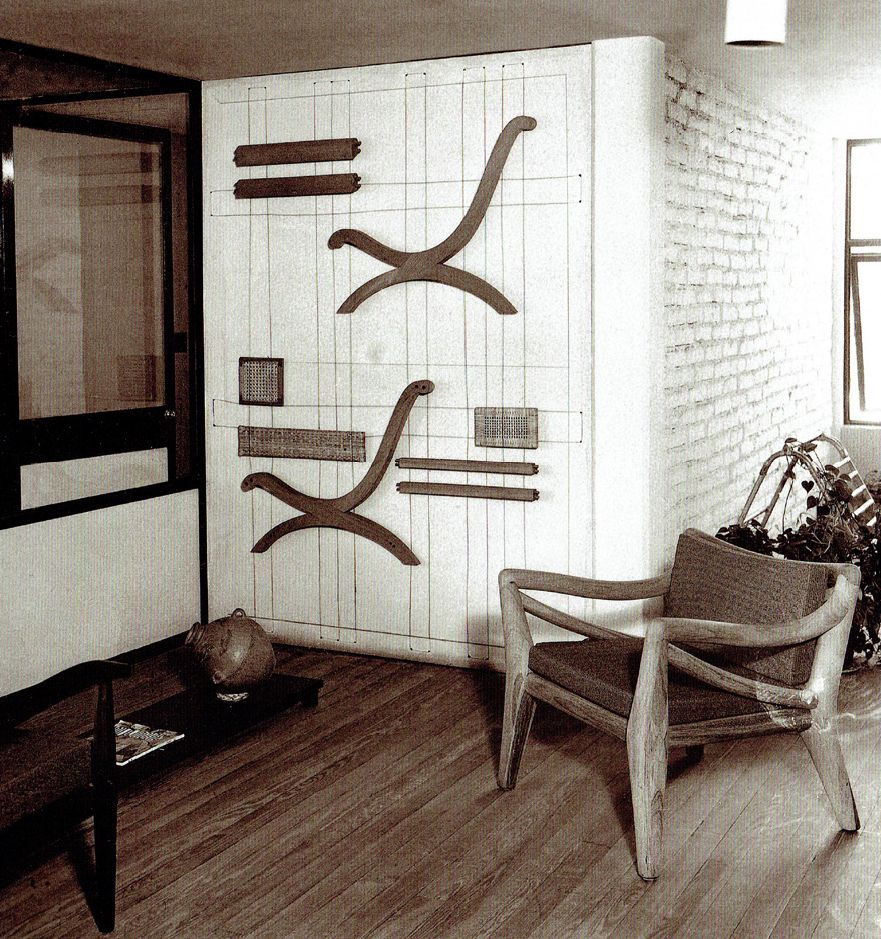
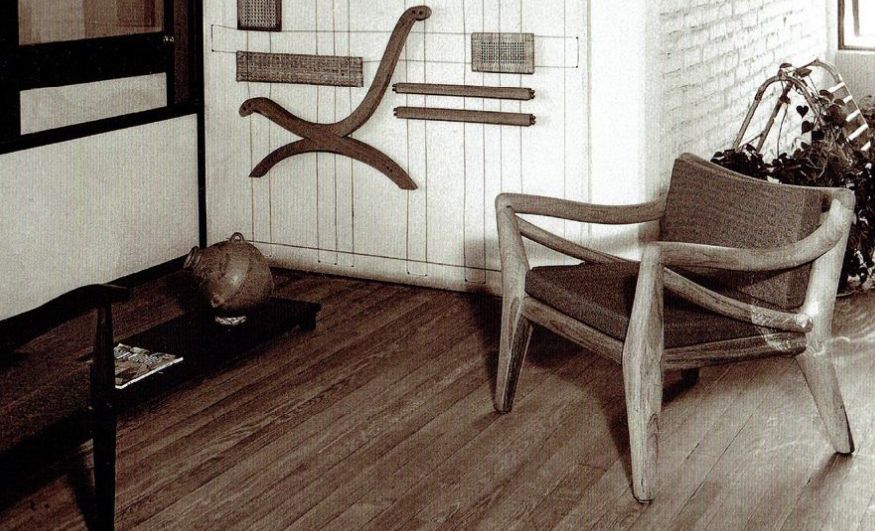
Butaque chairs (various versions, 1940s–1970s), her most emblematic work, what MoMA senior curator Paola Antonelli called "the Latin American chair," a series of modernist reinterpretations of the traditional Mexican butaque that updated proportions and incorporated new materials such as woven agave fiber, hemp, leather and metal alongside wood. These chairs were produced by Michael van Beuren's Domus label and later used extensively in interiors by Luis Barragán, becoming icons of Mexican modernism.
E-series and H-series office furniture for Ruiz Galindo Industries (1950s), two complete collections of wooden and metal office furniture that became the most popular furnishings in Mexico due to their combination of high design, durability and relatively low cost.
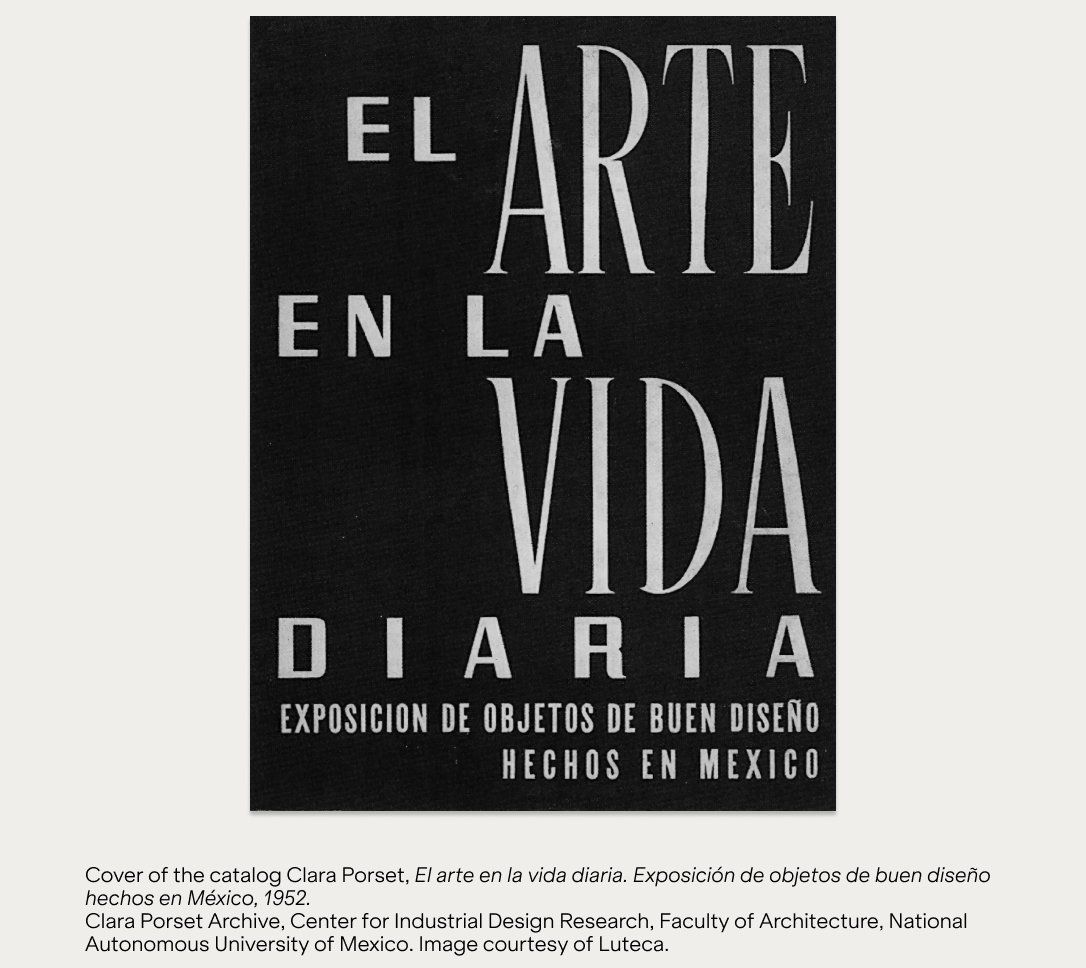
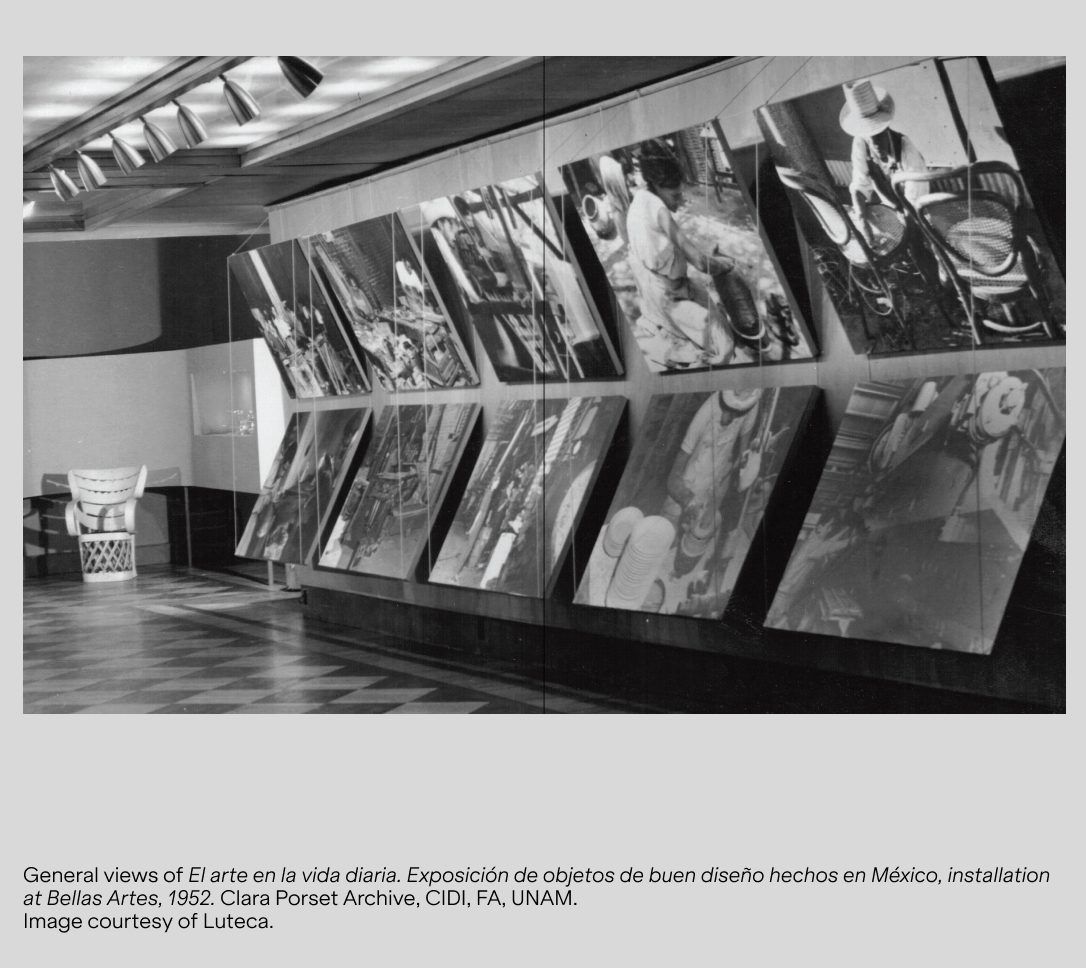
Curation of Arte en la vida diaria: exposición de objetos de buen diseño hechos en México (Art in Daily Life: An Exhibition of Well-Designed Objects Made in Mexico) at the Instituto Nacional de Bellas Artes, Mexico City (1952), an expansive exhibition that featured both handcrafted and mass-produced objects and included work by Michael van Beuren, William Spratling, Los Castillo and others.
Defining Mexican Modernism
Porset is widely regarded as a pioneer of modern Mexican design for her role in establishing a design language that was rigorously modern without abandoning cultural specificity. Her insistence that modernism should engage with, rather than erase, local material and craft traditions offered an alternative to both historicist reproduction and placeless internationalism, and anticipated debates about identity and globalization that remain central to design discourse today.
By treating indigenous and colonial forms as legitimate sources of knowledge rather than decorative motifs, she demonstrated that modernism could take different forms in different places while maintaining its commitment to function, honesty and social accessibility.
Advocacy and Education
Beyond her furniture, Porset was a tireless advocate for design education and the recognition of design as a tool for social improvement. She promoted the term "interior design" over "interior decoration" to emphasize the intellectual and functional aspects of the discipline, gave numerous public lectures on modern design principles, and taught for much of her life, including at the industrial design program at the Escuela Nacional de Arquitectura (now part of Universidad Nacional Autónoma de México).
Her belief that good design should be accessible to all, not just to elites, informed her commitment to working with manufacturers to produce affordable, well-made furniture for everyday use.
How Her Influence Shows Up Today
Porset's legacy is visible in any contemporary furniture that seeks to reconcile modernist discipline with regional identity, material specificity and craft tradition. Her butaque chairs demonstrated that vernacular forms could be renewed rather than reproduced, and that cultural continuity need not mean formal stasis.
Her advocacy for accessible, socially responsible design anticipated concerns that remain urgent today. In interiors, her original pieces function as both usable furniture and historical reference points, anchoring spaces with a clarity and warmth that bridges mid-century Mexican modernism and international design history.
Featured products
Monday to Friday 10:00 – 18:00
Eden House, Al Satwa
Jumeirah Garden City - 41st St - Al Satwa
Dubai, United Arab Emirates