Gae Aulenti
See also: Exteta
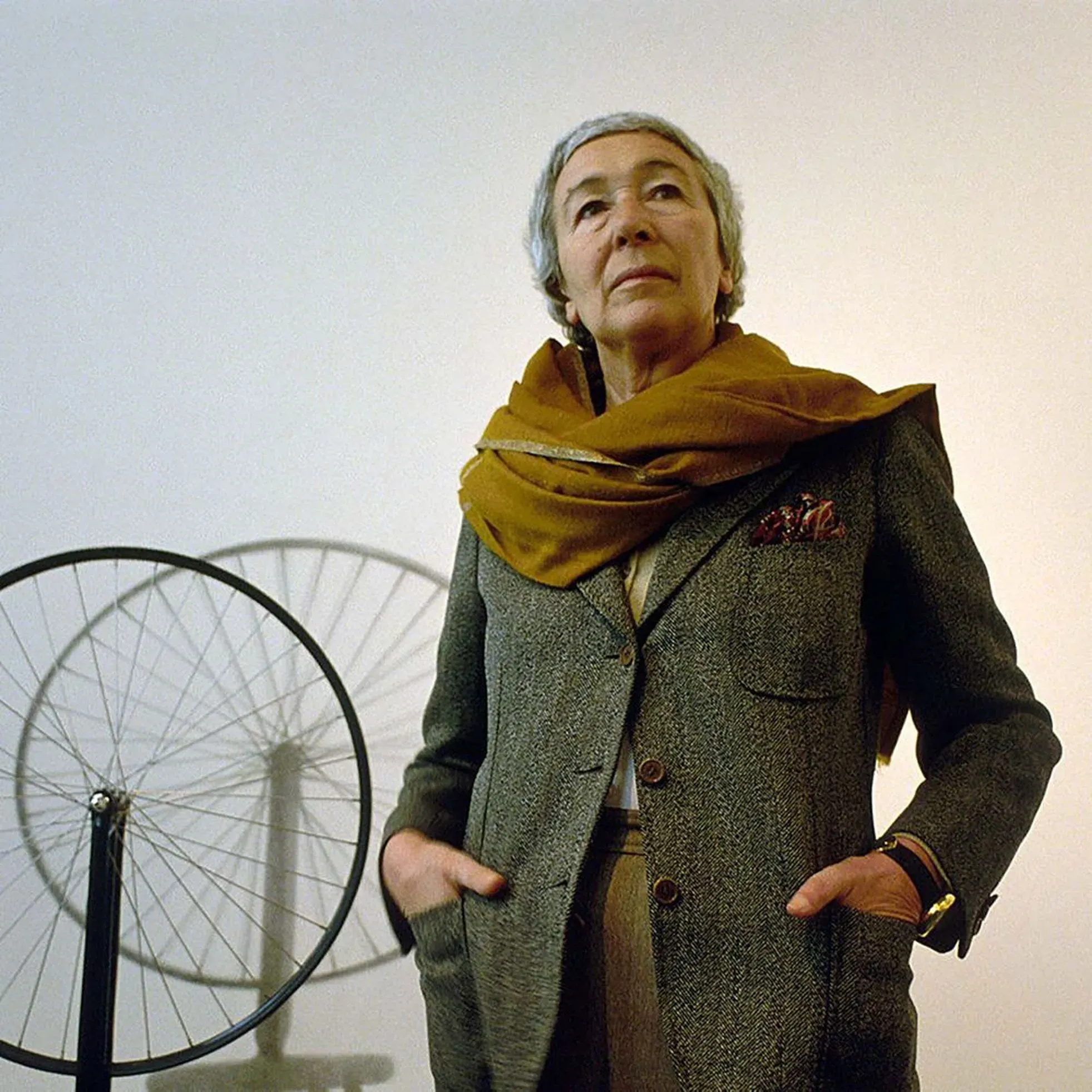
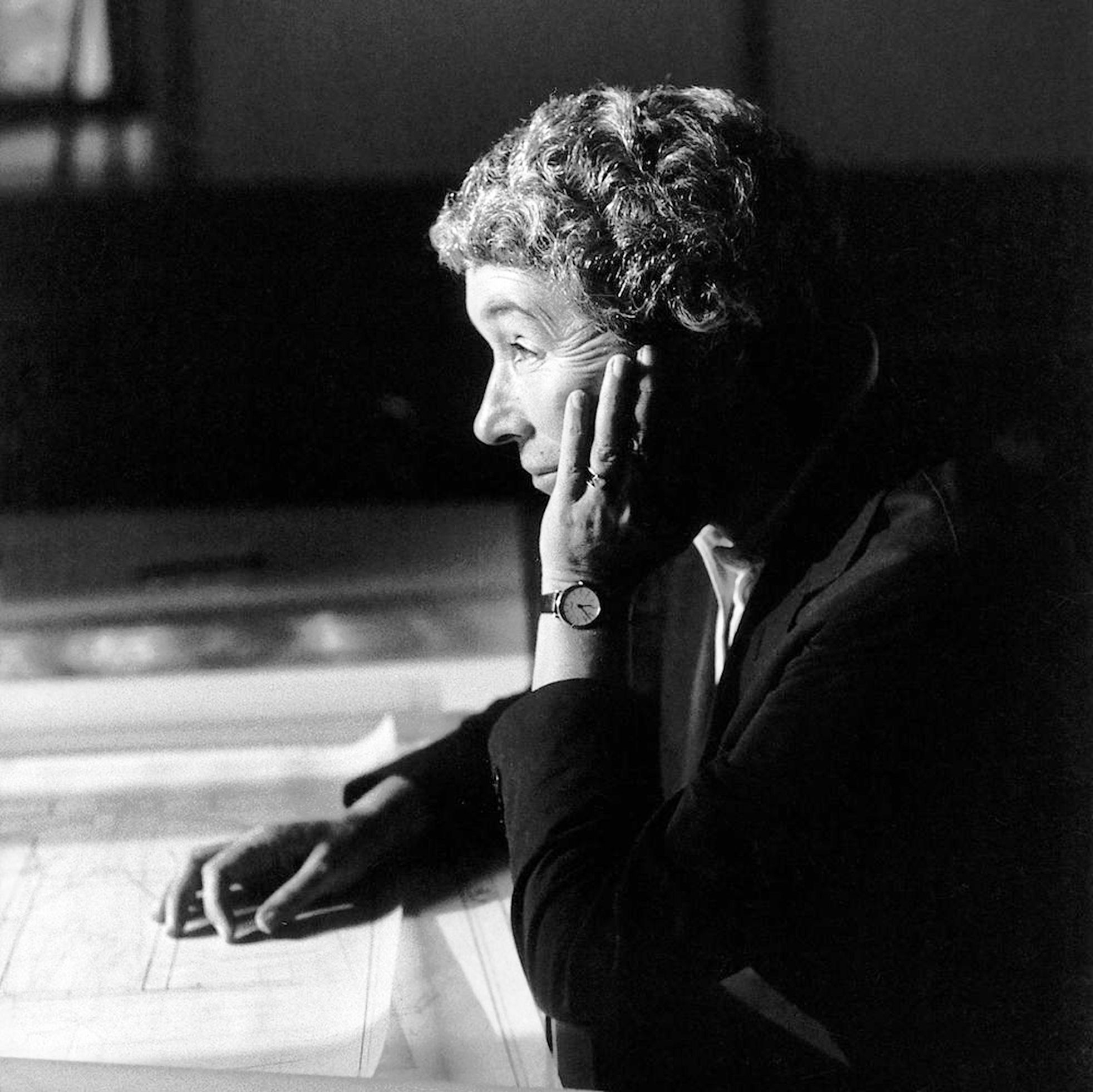
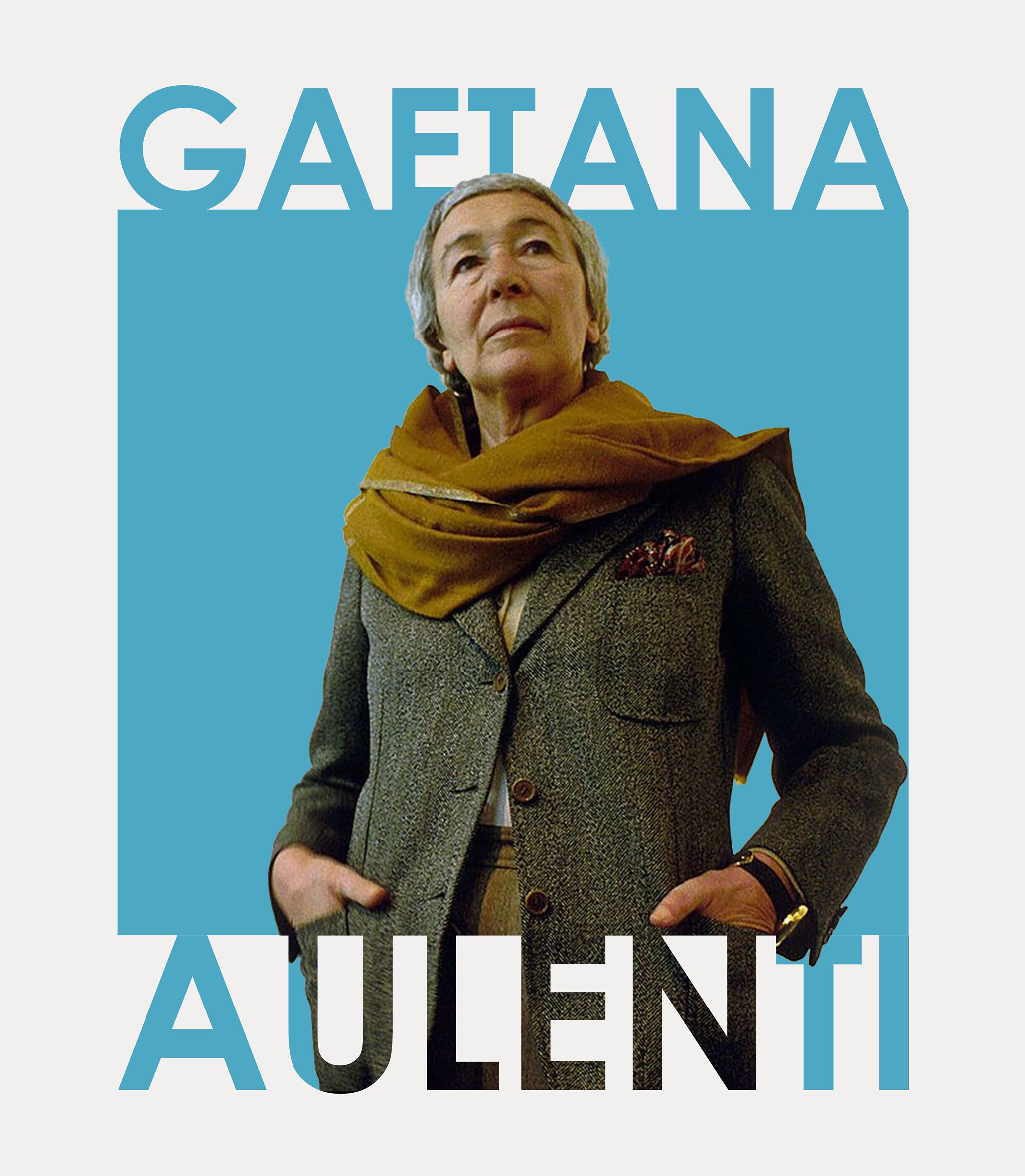
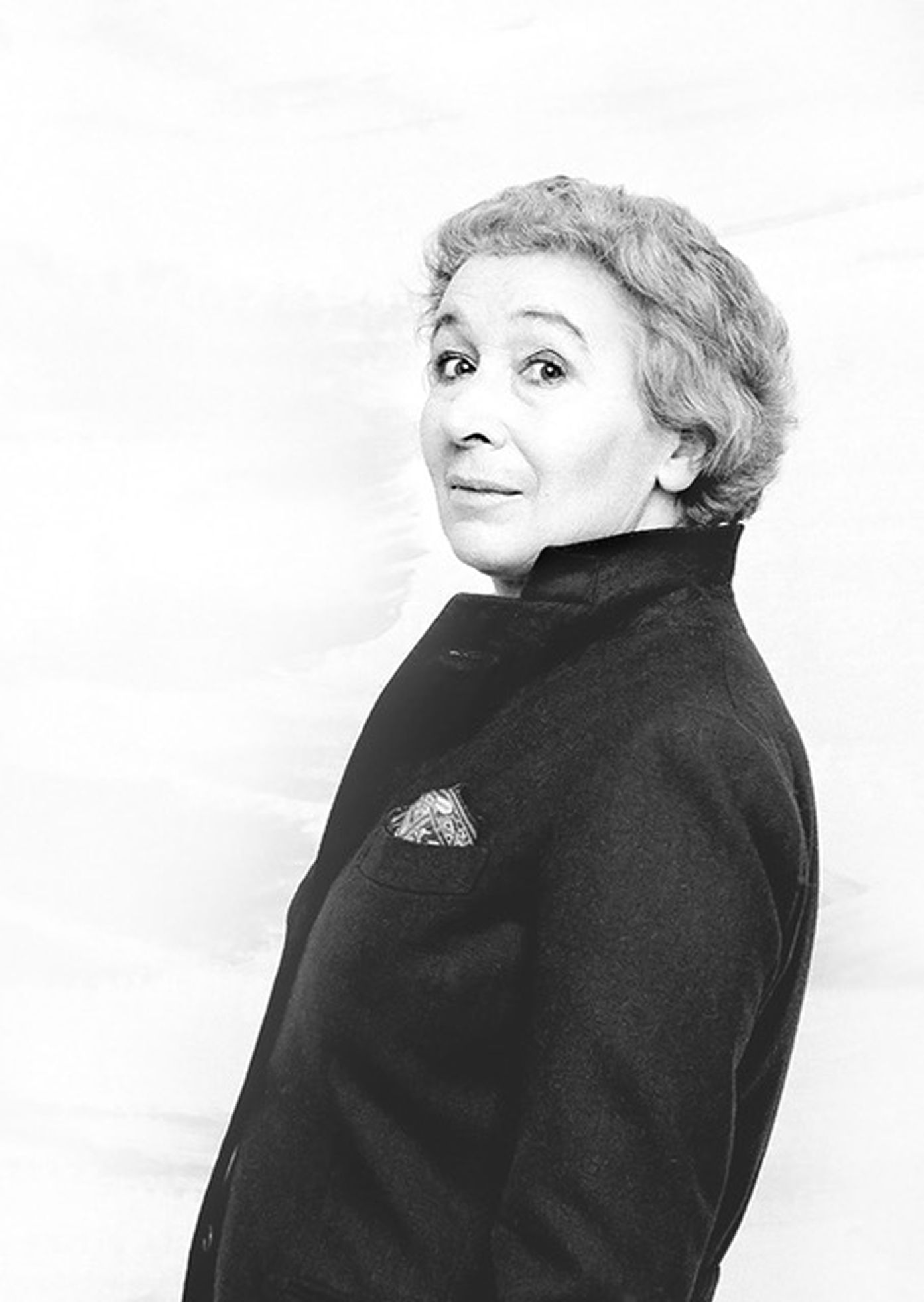
Gaetana "Gae" Emilia Aulenti was an Italian architect, designer, and editor. Being one of the few prominent female architects during her time, her implementation of individual expression and neo-libertarian ideologies in interior spaces made her an important figure in post-war Italian design.
Aulenti was born in Palazzolo dello Stella (in the Italian region of Friuli-Venezia Giulia) and remained close to her mother throughout her life. After being interested in contributing to the rebuilding of Italy, she studied architecture from the Politecnico di Milano in 1954, graduating as one of only two women in a class of twenty. She later went on to get married to alumni Francesco Buzzi.
In 1955, she joined Casabella-continuità and served as art director and graphic designer for a decade, where she continued to explore neo-liberty architectural theory. Aulenti's interpretation of this theory carries from the first piece of furniture - the Sgarsul chair - to her last work - the expansion of Perugia San Francesco d'Assisi Umbria International Airport which was inaugurated ten days after her passing.
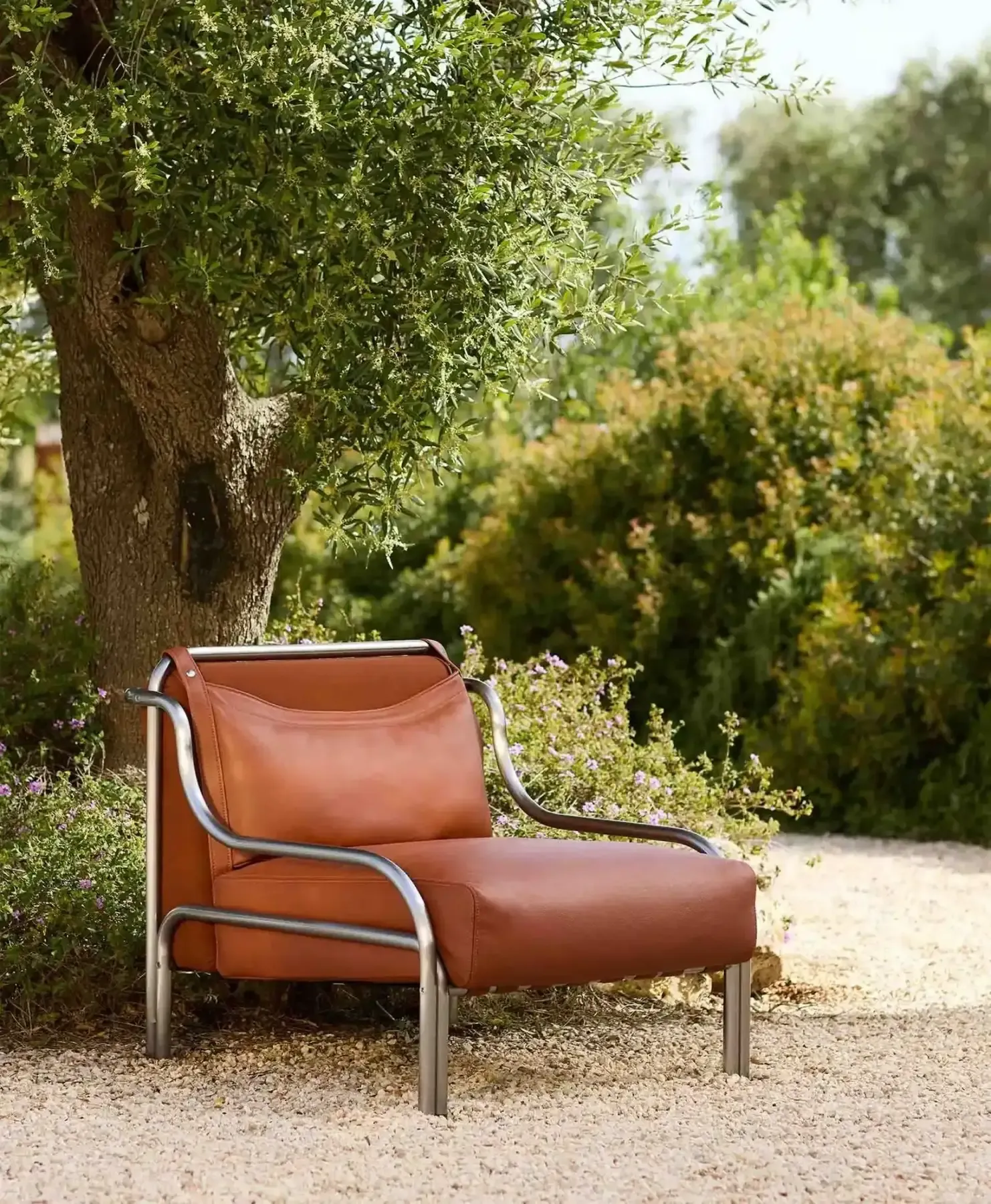
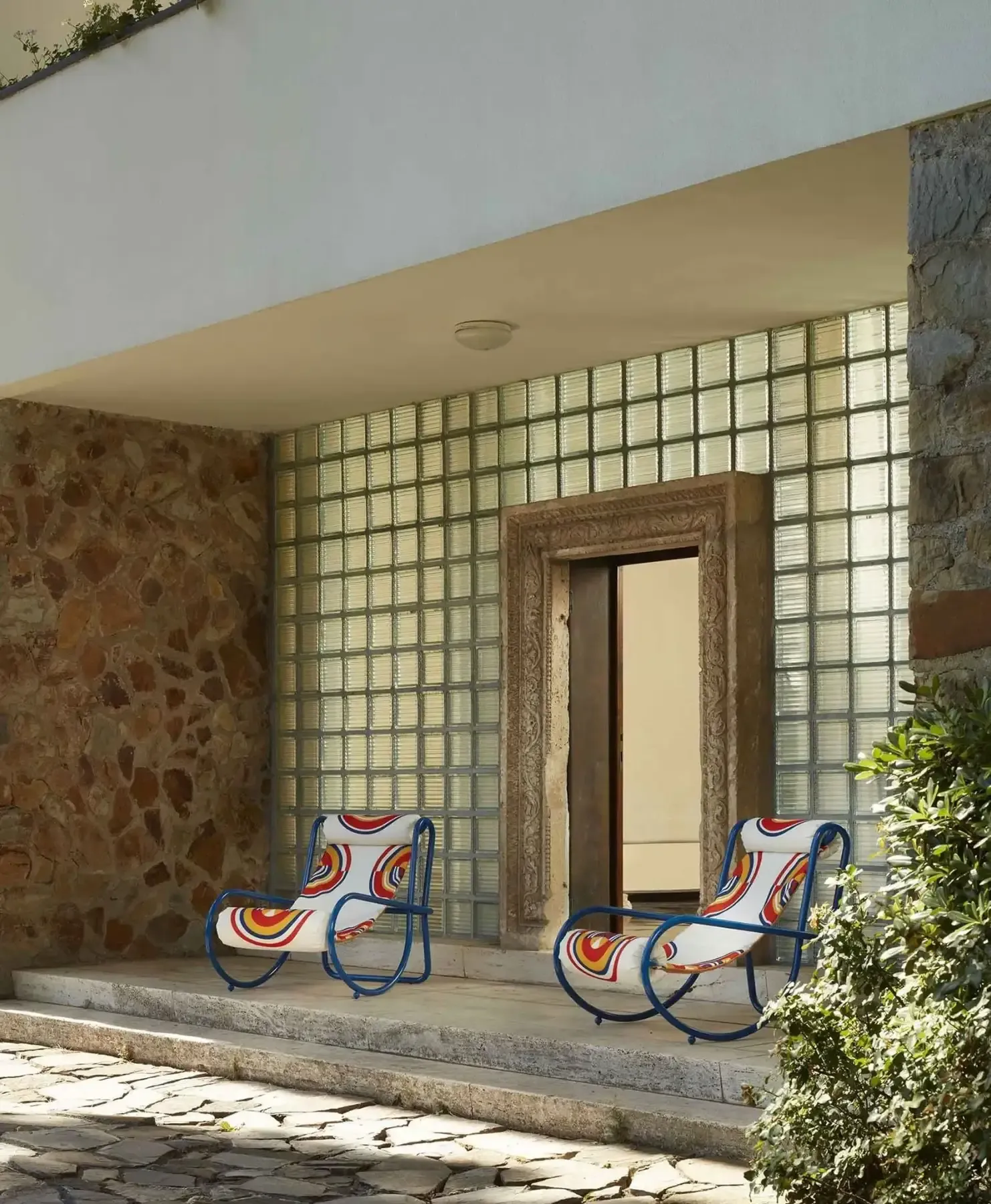
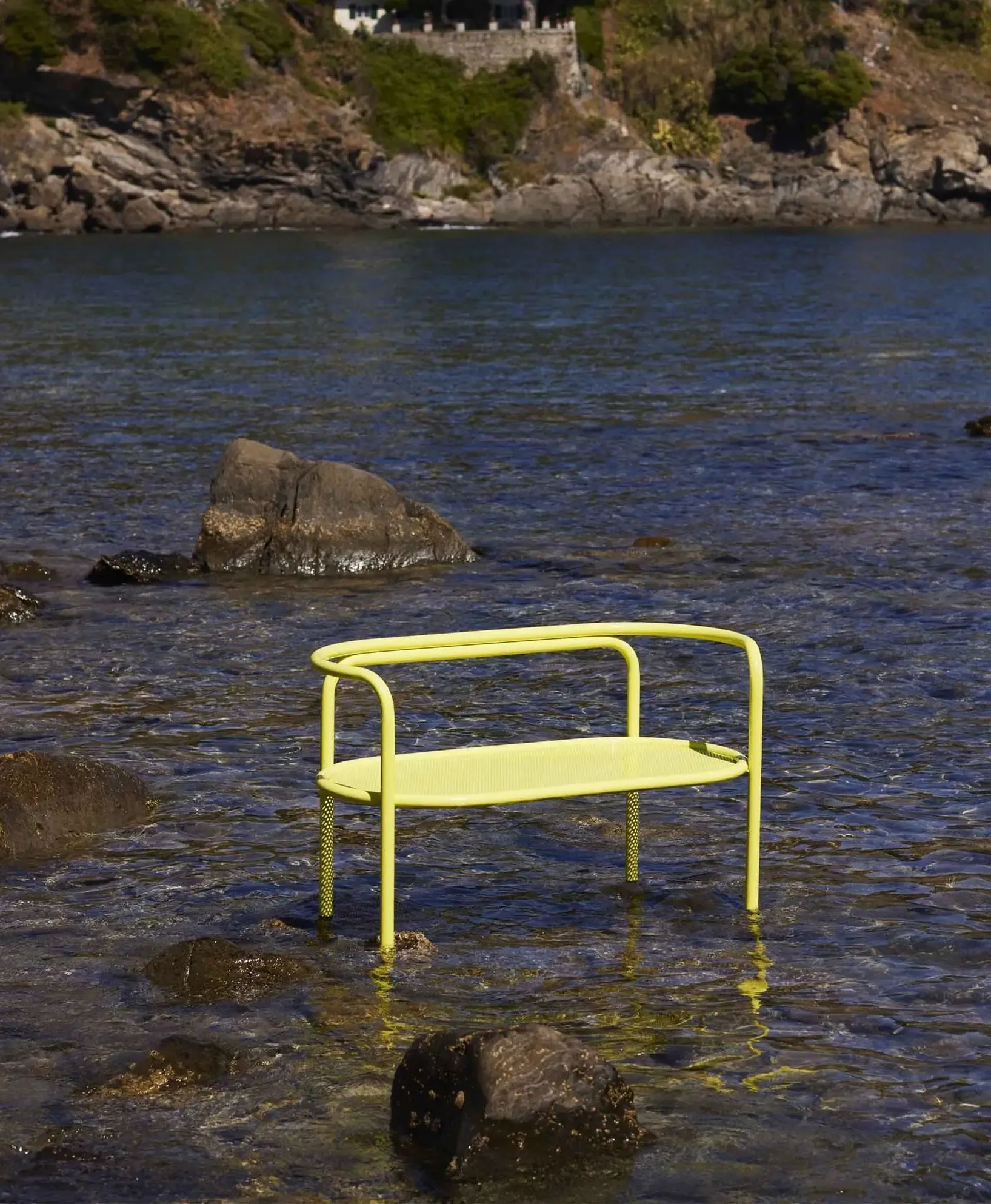
Key Works and Projects
Several works define her contribution:
Sgarsul Rocking Chair (1962) for Poltronova, a bentwood piece that reinterpreted traditional rocking chair typologies through a Neo-Liberty sensibility.
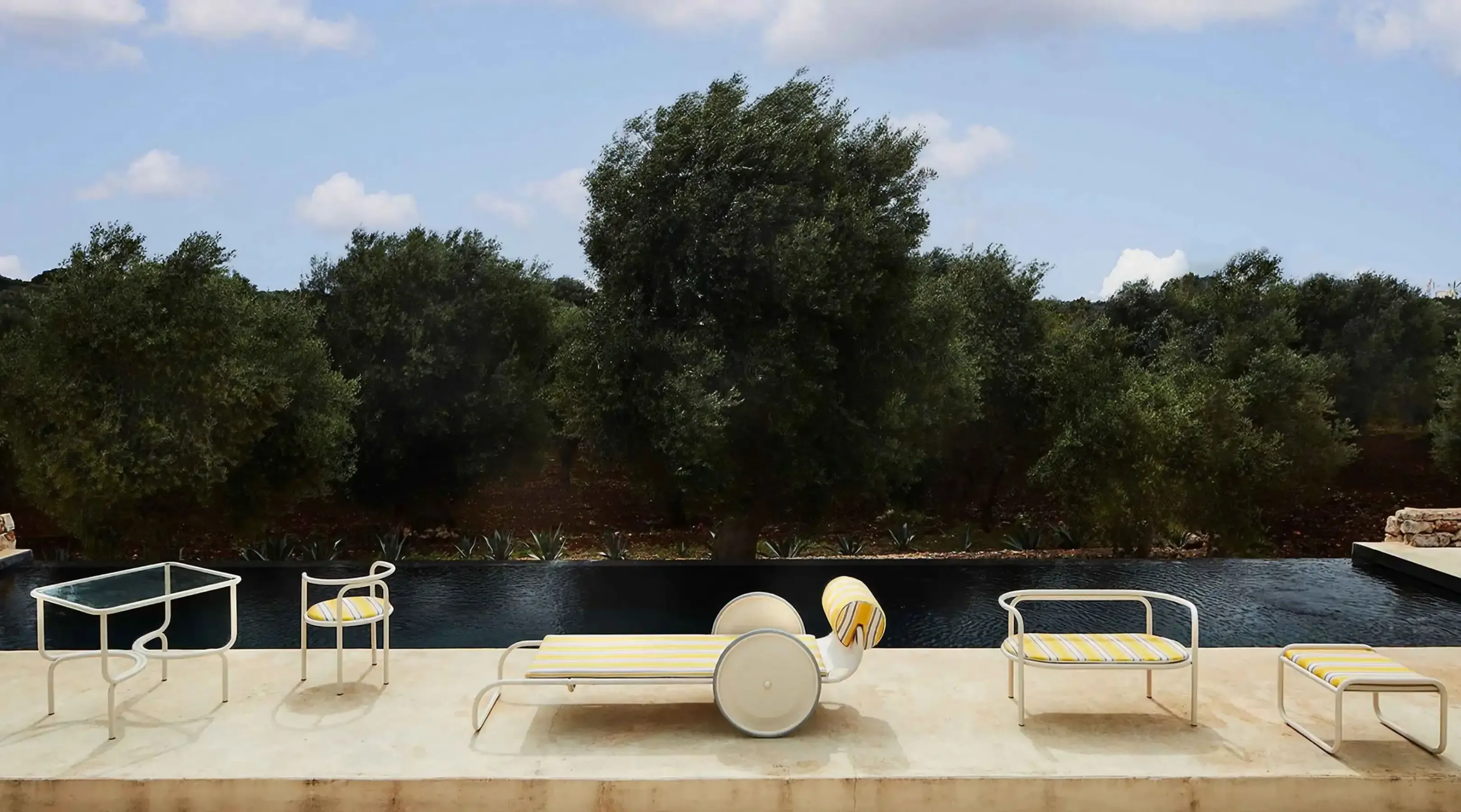
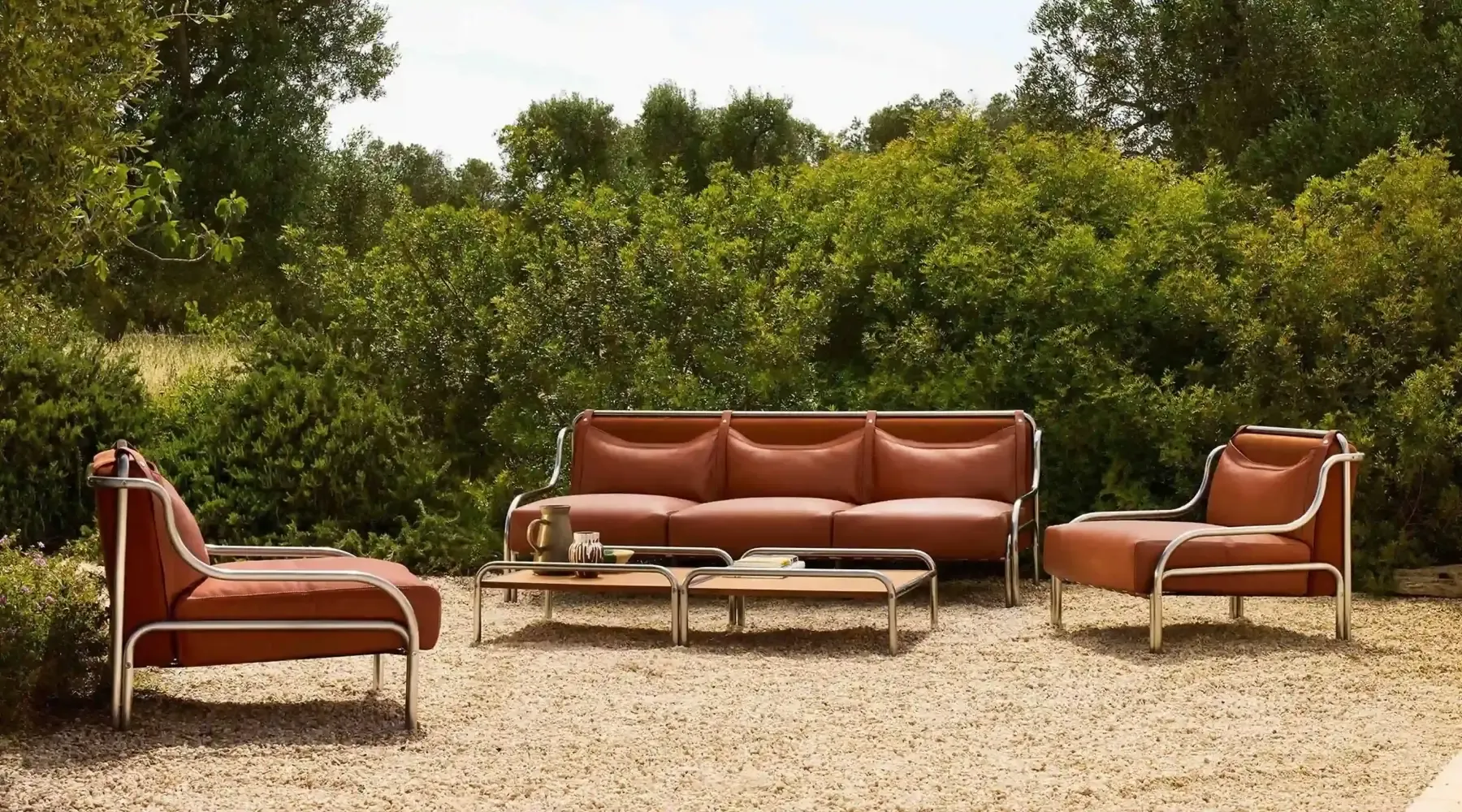
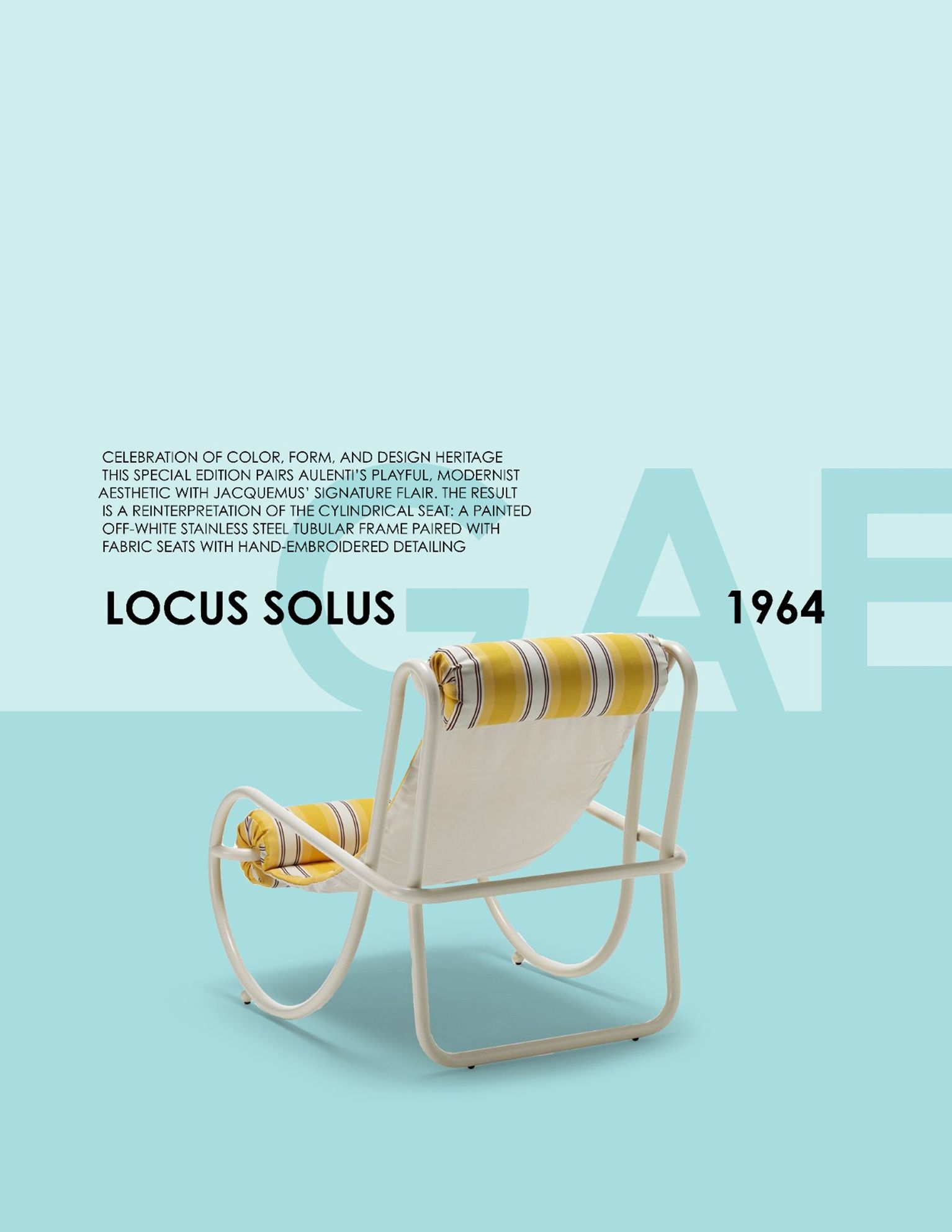
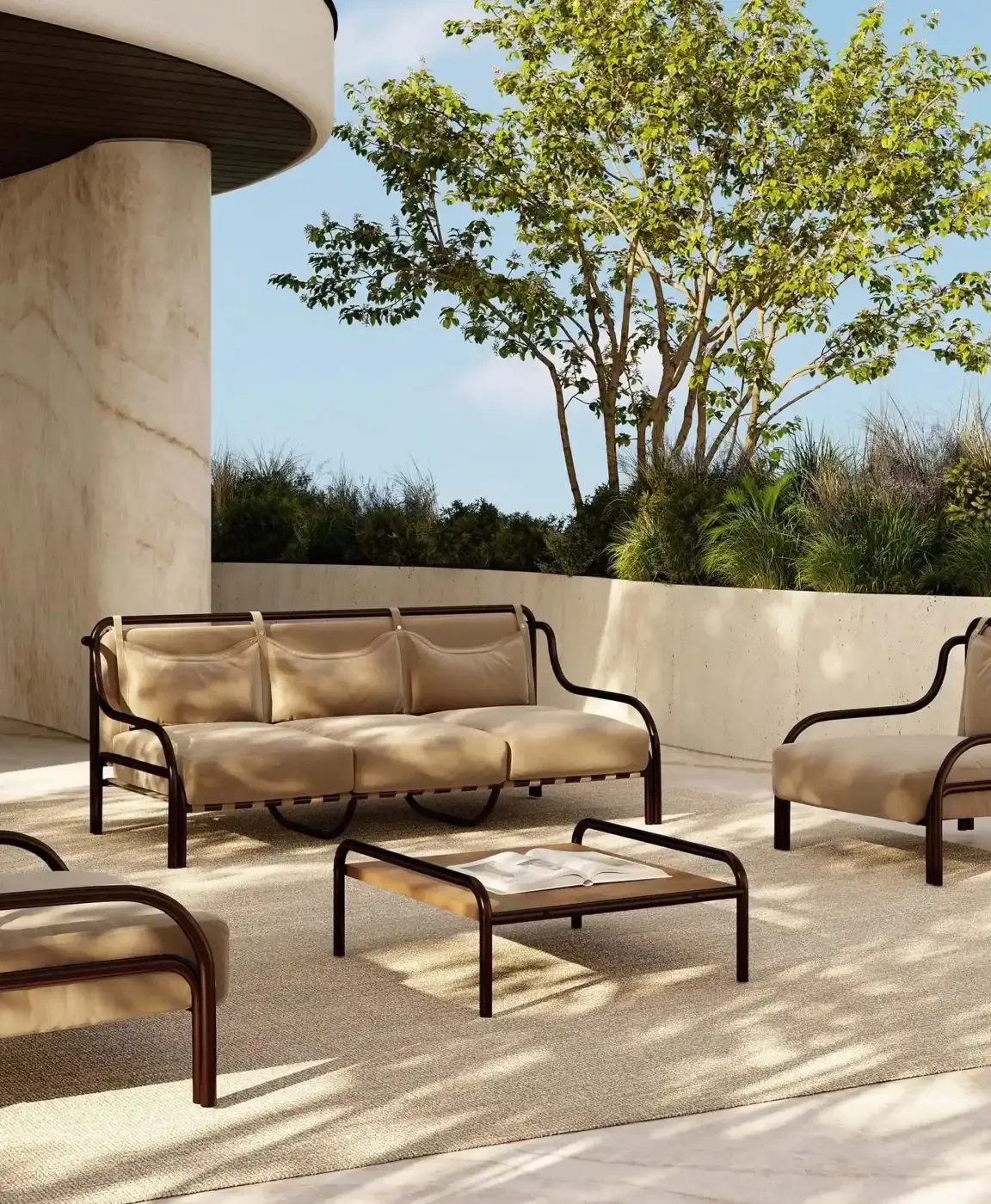
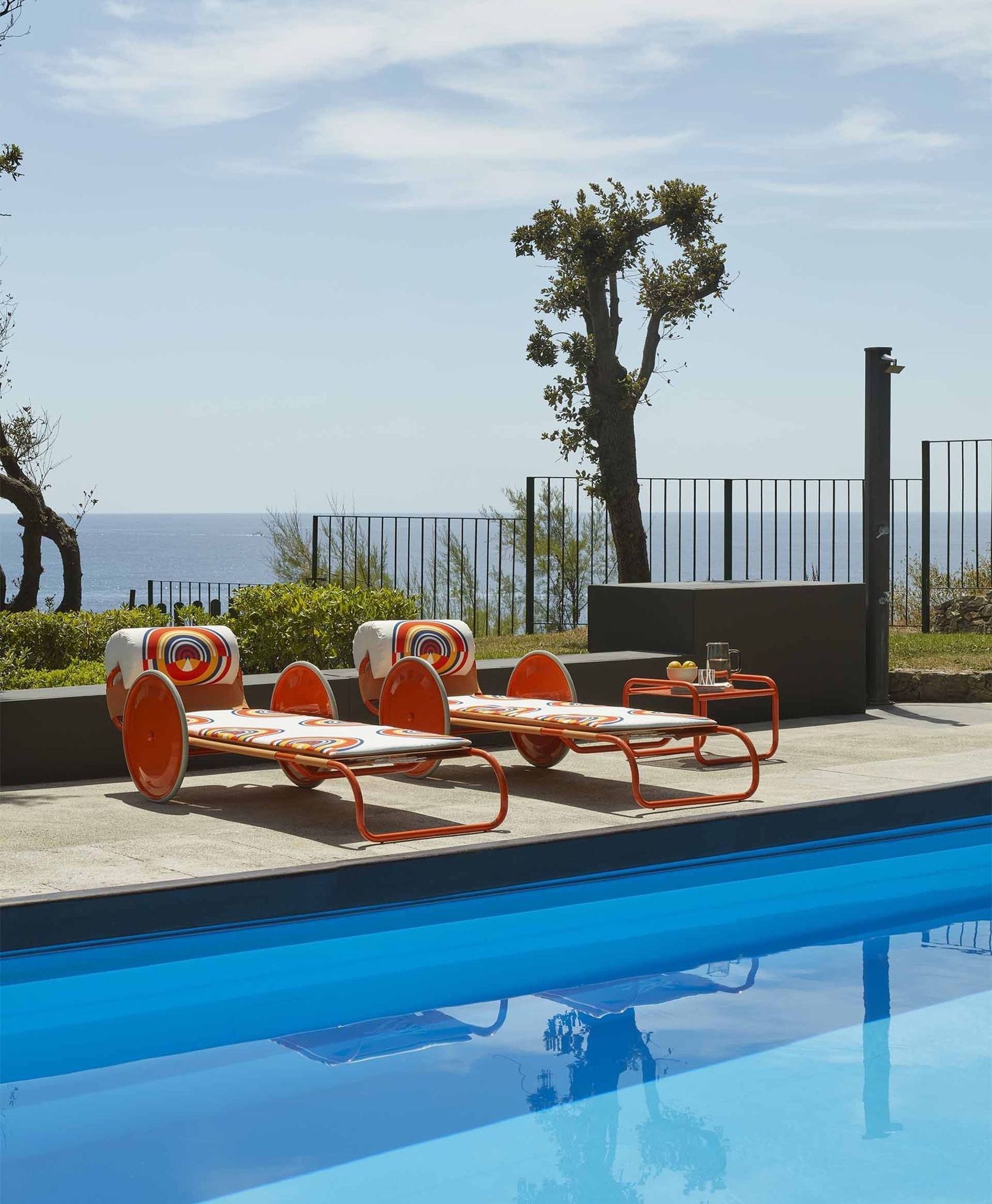
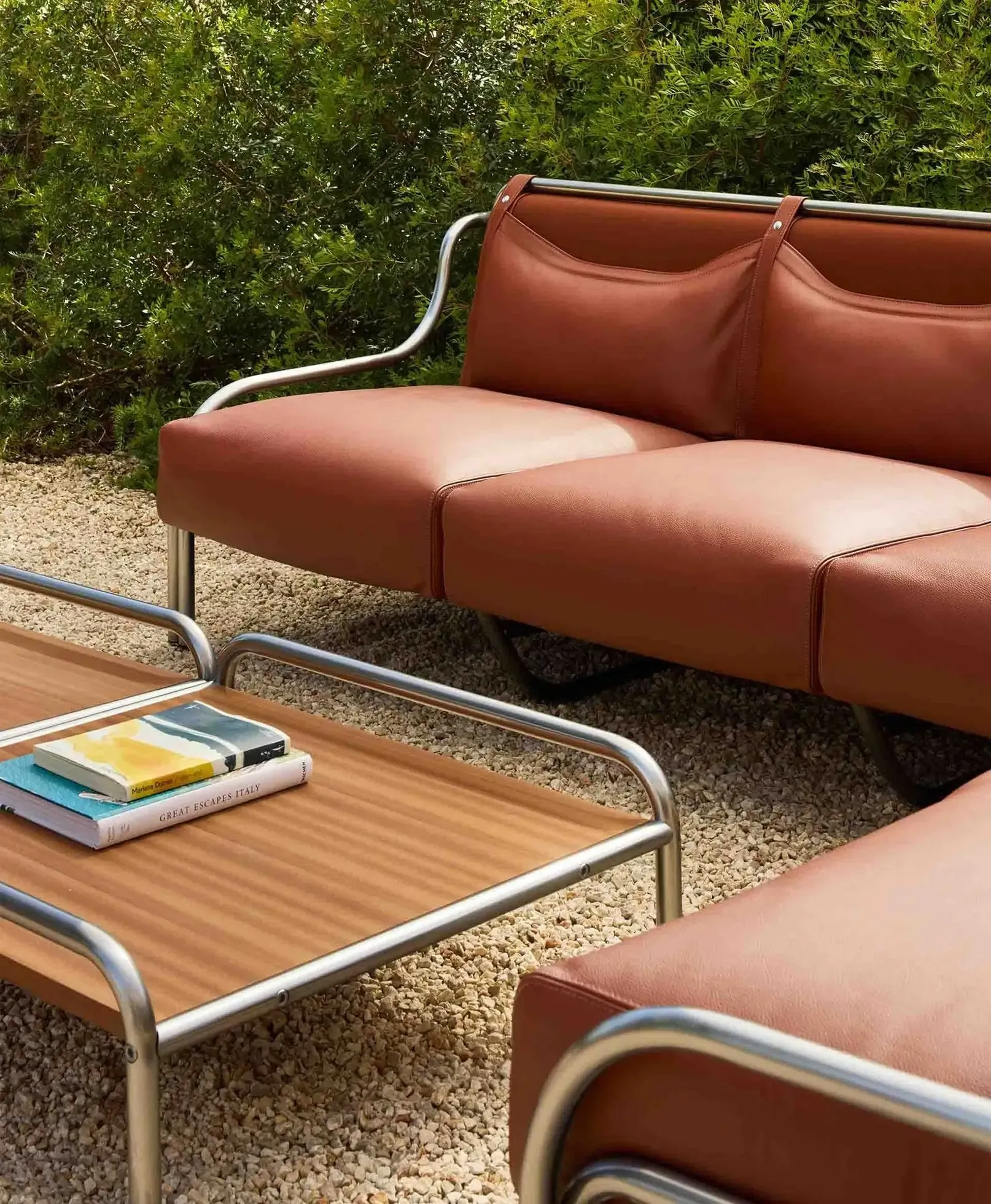
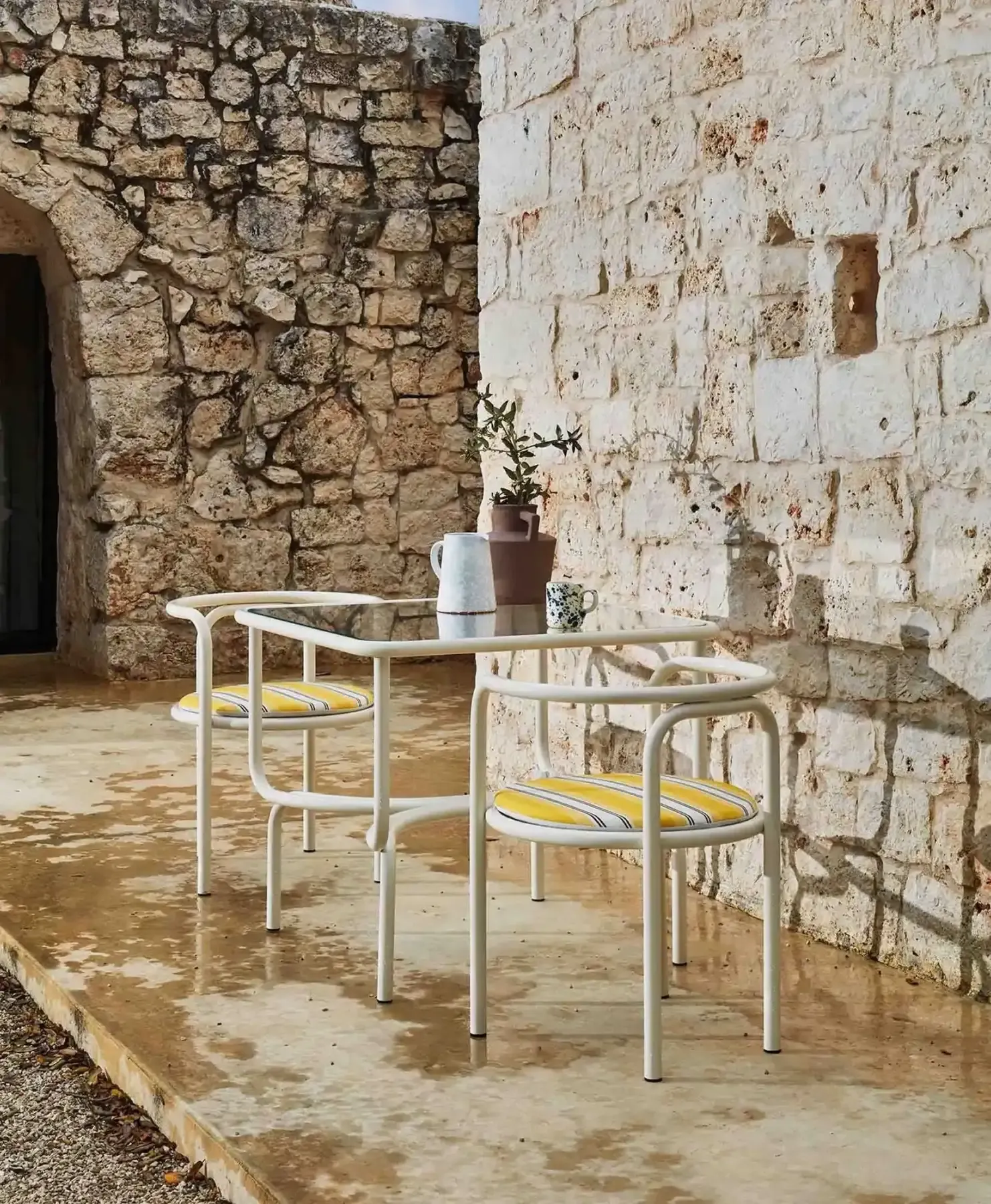
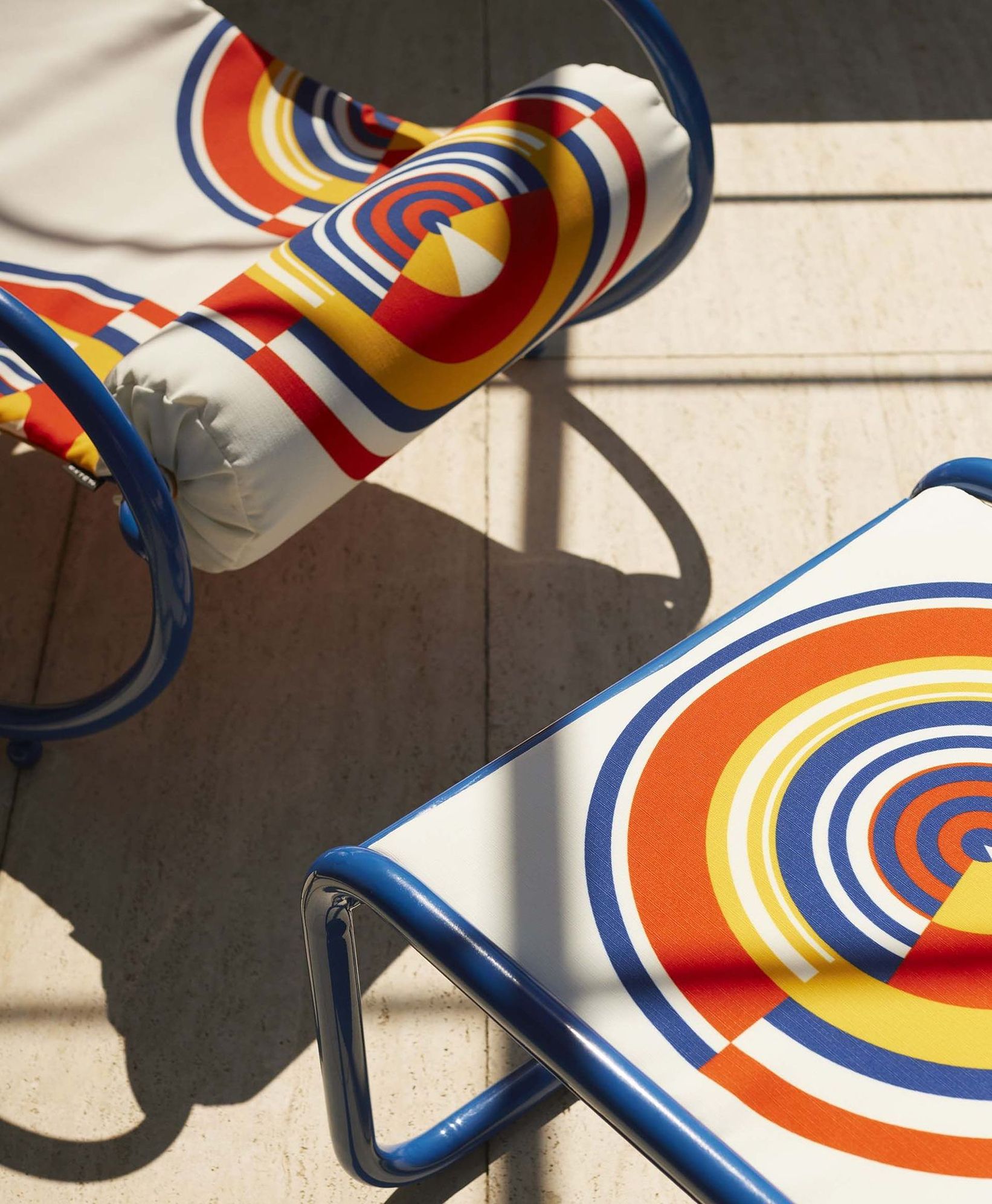
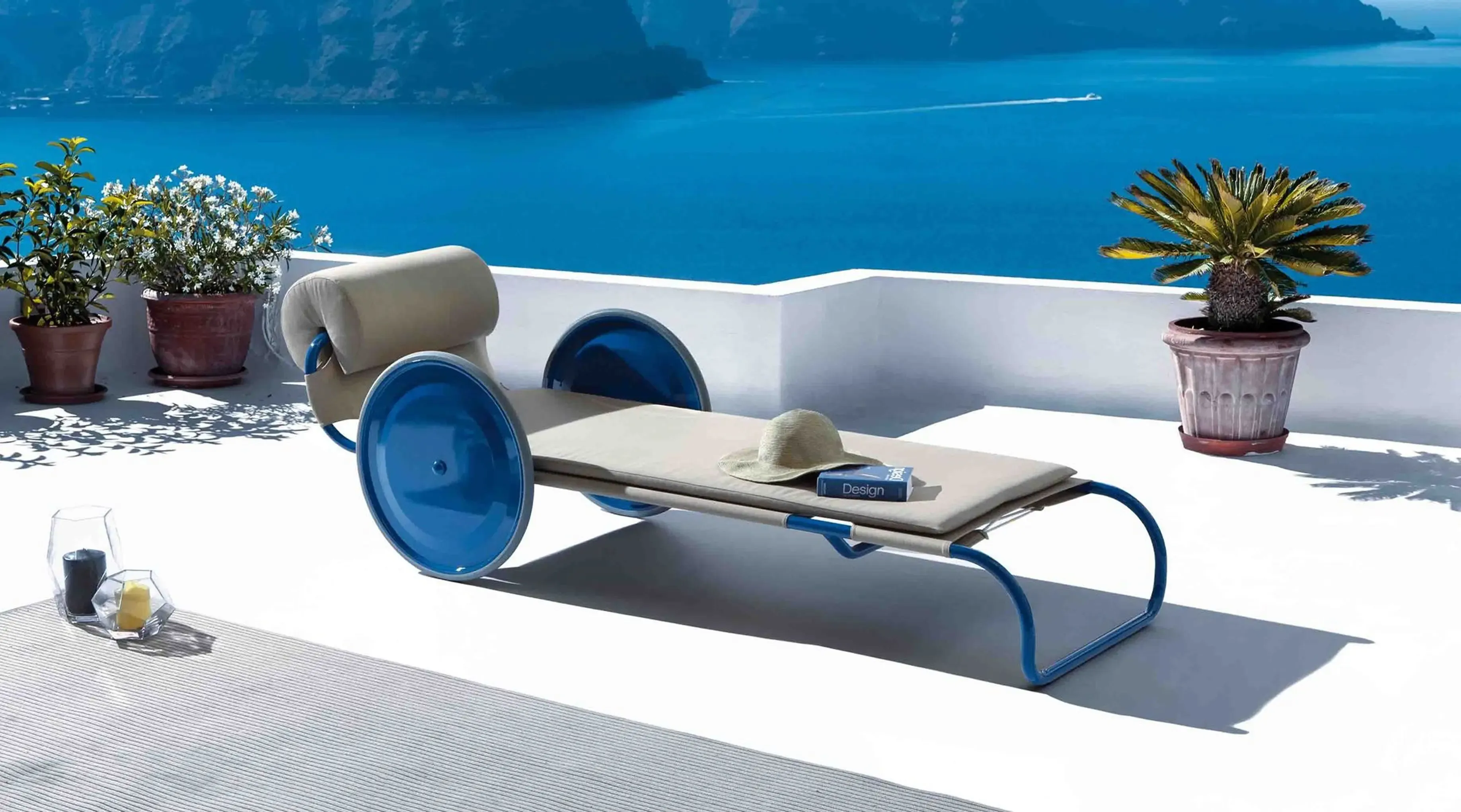
Locus Solus series (1964) for Poltronova and later Zanotta, a collection of outdoor and indoor furniture in chromed tubular steel with brightly colored enameled finishes and fabric upholstery: a Pop reinterpretation of rationalist tubular furniture that referenced Breuer and Mies while introducing lively color and organic form. The series appeared in Jacques Deray's film La Piscine (1969).
April Folding Chair (1964) and Aprilina Chair (1964) for Zanotta, lightweight folding chairs in stainless steel and leather designed for minimal storage and maximum portability.
Jumbo Coffee Table (1965, introduced by Knoll 1972), a monumental square table in Carrara marble supported by four cylindrical legs, an exercise in material weight and sculptural simplicity that became her most recognized furniture piece.
Giova Lamp (1964) and Tavolo con Ruote (1980) for Fontana Arte, the latter a glass-top table on industrial wheels inspired by factory trolleys used to transport glass at the Fontana Arte plant.
Impact on Design History
Aulenti is regarded as an important figure associated with the Neo-Liberty movement for her role in challenging the strict, internationalist interpretation of modernism that dominated post-war Italy. Where modernists pursued purity of line and rejected historical reference, Aulenti argued that historical context was an unavoidable source of inspiration in artistic contemporary design.
This position was articulated through her editorial work at Casabella and demonstrated through her built projects helped establish an alternative current within Italian design that valued continuity, locality and individual expression alongside modernist principles of function and structural clarity.
Recognition and Legacy
Aulenti received the Praemium Imperiale for Architecture from the Japan Art Association in 1991, the Compasso d'Oro in 1995, and was appointed Knight Grand Cross of the Order of Merit of the Italian Republic in 1995. Her work was featured in MoMA's landmark exhibition Italy: The New Domestic Landscape in 1972 alongside contemporaries including Marco Zanuso, Joe Colombo, Ettore Sottsass and Superstudio.
After her death in 2012, the city of Milan honored her by naming Piazza Gae Aulenti, a major public square, after her. A retrospective of her work was mounted at the Milan Triennale in 2024. Her furniture is held in the permanent collections of museums worldwide and continues to be produced by Fontana Arte, Martinelli Luce, Zanotta and others.
How Her Influence Shows Up Today
Aulenti's legacy is visible in any contemporary design practice that seeks to balance historical respect with functional innovation, in adaptive reuse projects that treat existing structures as partners rather than obstacles, and in furniture that combines sculptural presence with material honesty.
Her insistence that designers should engage with rather than erase context anticipated debates that remain central to architecture and design today. In interiors, her original pieces function as both usable objects and reference points, anchoring spaces with a confidence that bridges postwar Italian modernism and individual artistic expression.
Featured products
Monday to Friday 10:00 – 18:00
Eden House, Al Satwa
Jumeirah Garden City - 41st St - Al Satwa
Dubai, United Arab Emirates