Points, Lines, and Legends: The interdisciplinary influences within Bauhaus
Points, Lines, and Legends: The interdisciplinary influences within Bauhaus
Article by Oana-Maria Sofronia
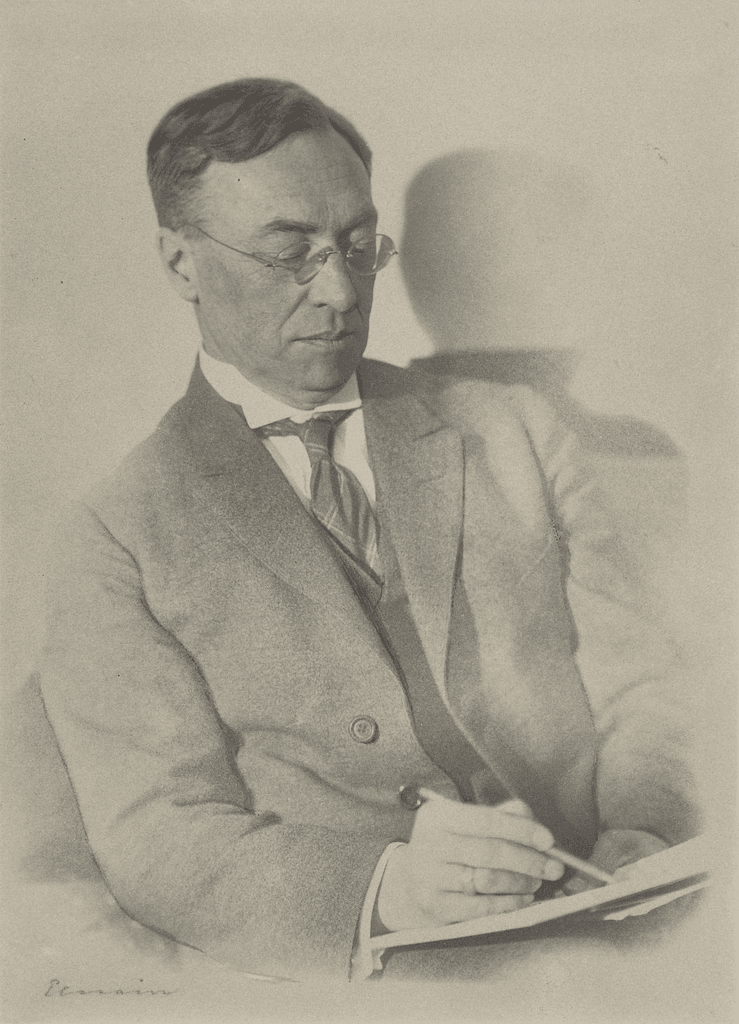
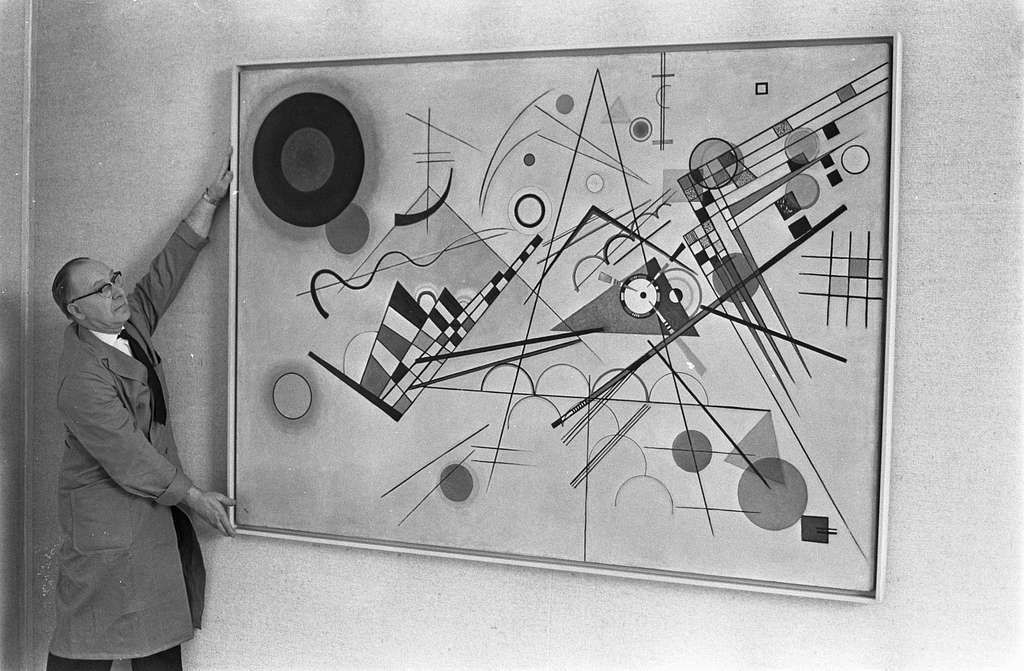
The Bauhaus pulsed with creative electricity in 1922 Weimar when Wassily Kandinsky walked through its doors.
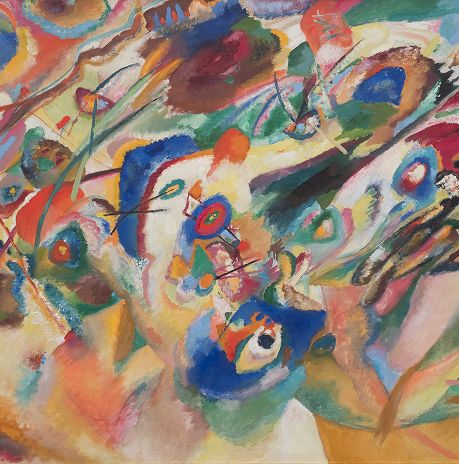
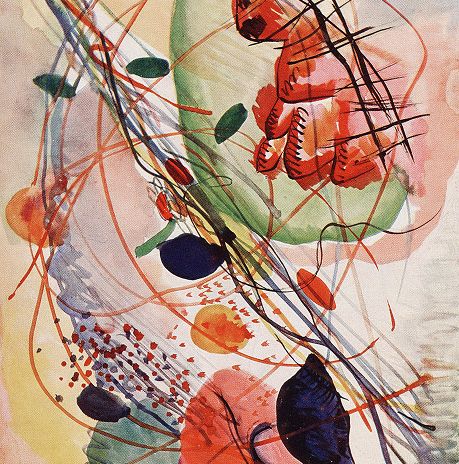
As both painter and theorist, he brought fresh perspectives on how simple shapes could evoke deep emotions, how a single dot on paper might stir the soul like a musical note.
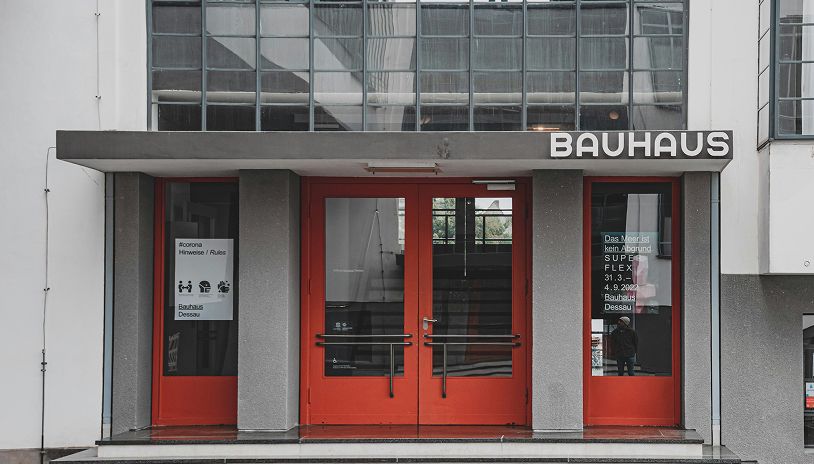
But he wasn't stepping into an empty room. The Bauhaus was already a melting pot of bold ideas and practical innovations.
While Kandinsky explored the emotional power of form and color, others were blazing their own trails.
Johannes Itten had already laid the groundwork with his Preliminary Course, teaching students the fundamentals of design.
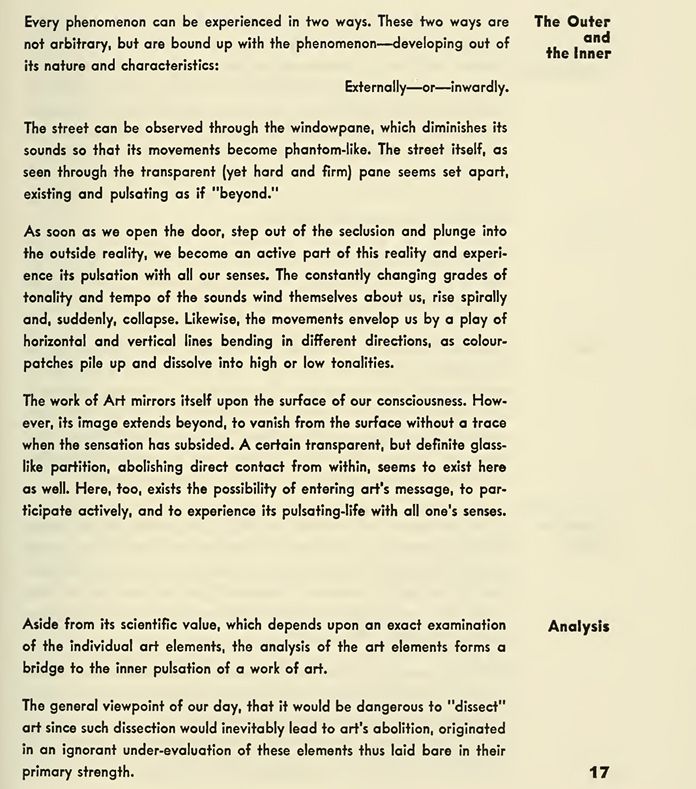
Josef Albers and László Moholy-Nagy were deep in conversations about light and space, while Walter Gropius, the school's visionary founder, wove these different threads into a rich tapestry of learning.
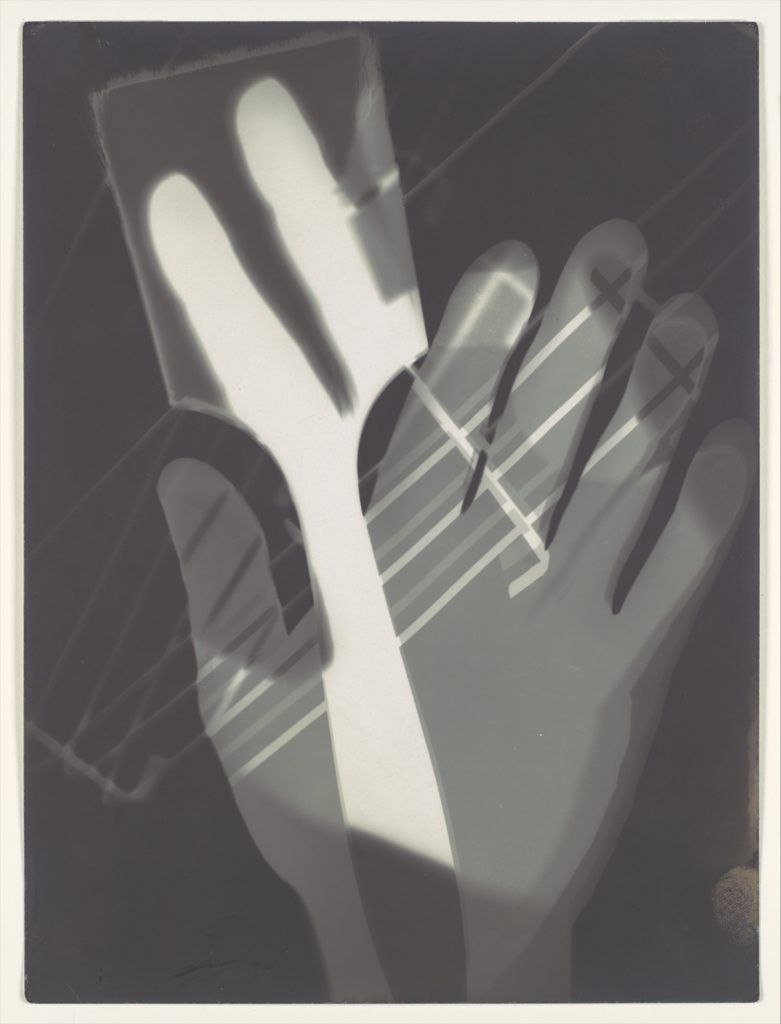
Kandinsky's famous saying "Everything starts with a point", later expanded in his 1926 book Point and Line to Plane, became one voice in this creative chorus.
The book established a framework that transcends painting, influencing applied fields where composition, balance and expressive formes are critical, with teachings that remain foundational in the emotional and spiritual approach to everyday applied objects, encouraging designers to create with intention and resonance.
Some students embraced it fully, others picked and chose what resonated with them.
Down in the woodshop, Marcel Breuer was thinking less about theory and more about materials.
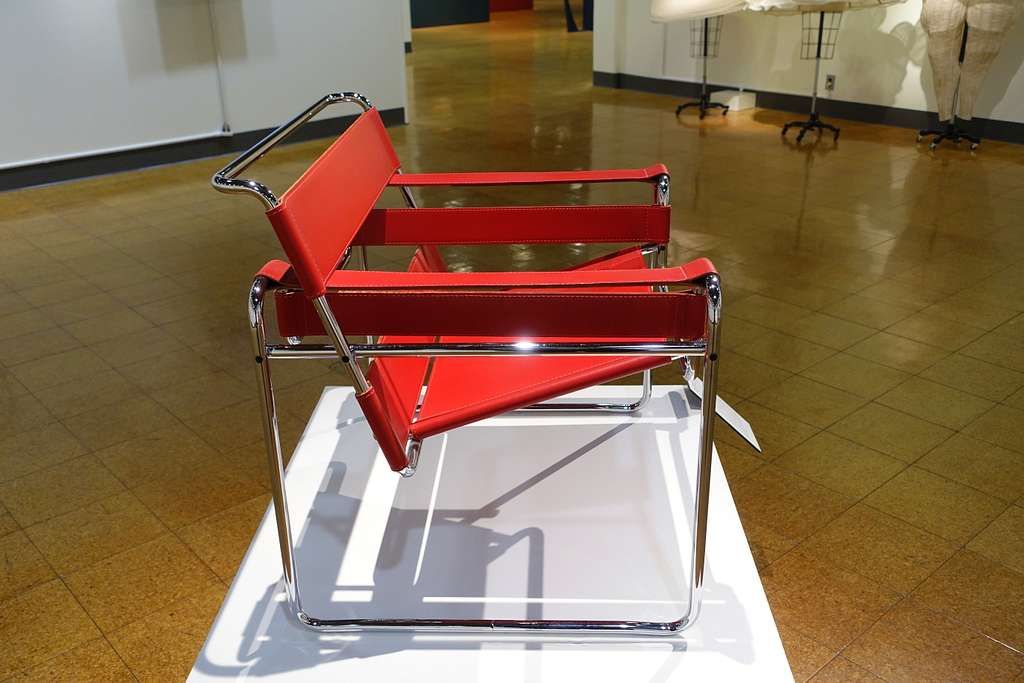
A new bicycle sparked his fascination with tubular steel, leading to his groundbreaking chair design, now known as the Wassily. When Kandinsky admired it, Breuer made him one for his studio.
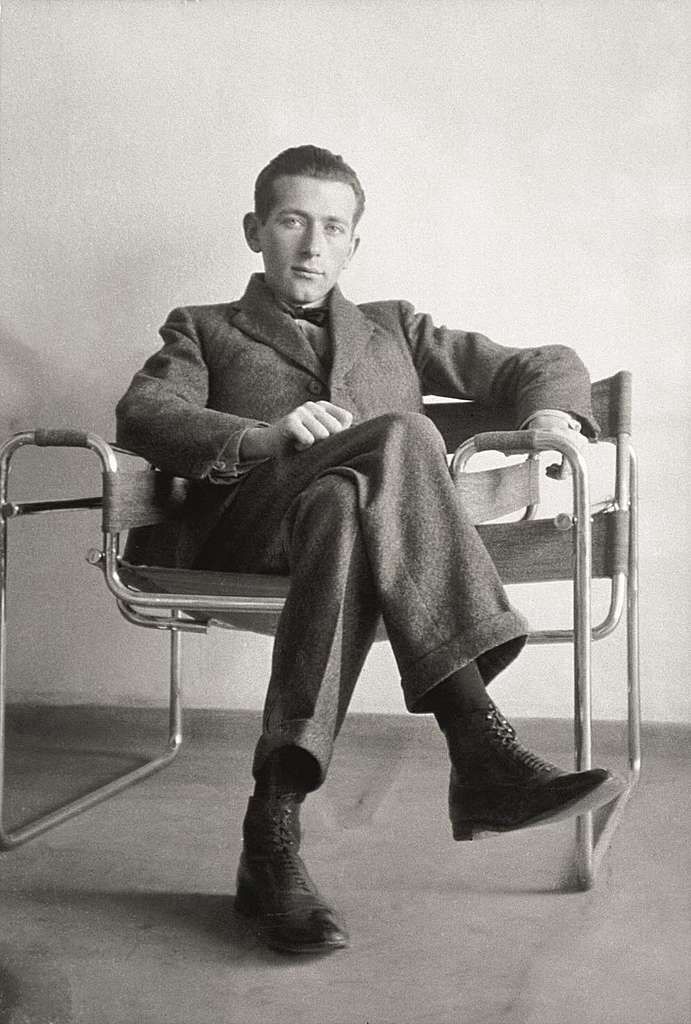
Years later, marketers would spin this into a neat origin story, but the truth was messier and more interesting: the chair embodied the Bauhaus spirit of collaboration and innovation.
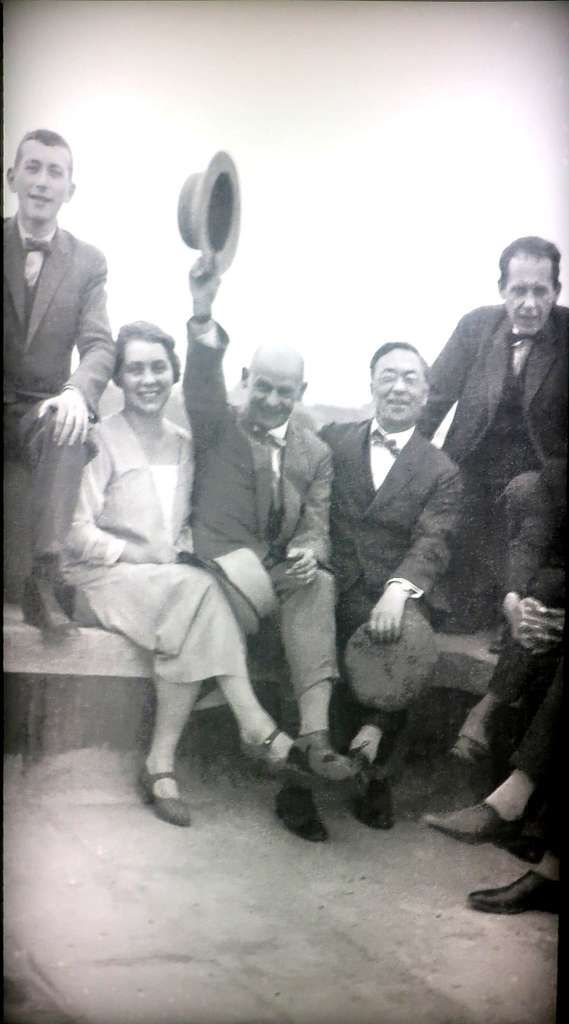
The magic really happened after hours.
Paul Klee and Kandinsky would sketch and debate as neighbors. Photographer and painter Moholy-Nagy experimented with light-based sculptures.
Gunta Stölzl revolutionized textile design while Albers pushed the boundaries of glasswork. The school was a creative laboratory where ideas cross-pollinated freely.
Looking at a Wassily Chair today or flipping through Point and Line to Plane, we're not just seeing individual genius but a community at work.
The Bauhaus thrived on collaboration, where Kandinsky's theories on visual emotion met Breuer's industrial innovations. Their true achievement was creating something bigger than any single artist, idea or creator.
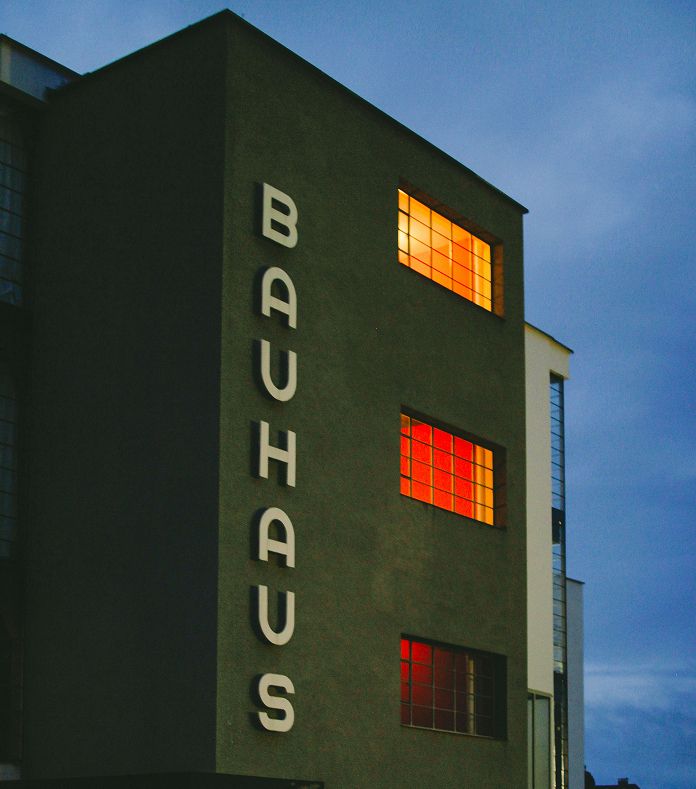
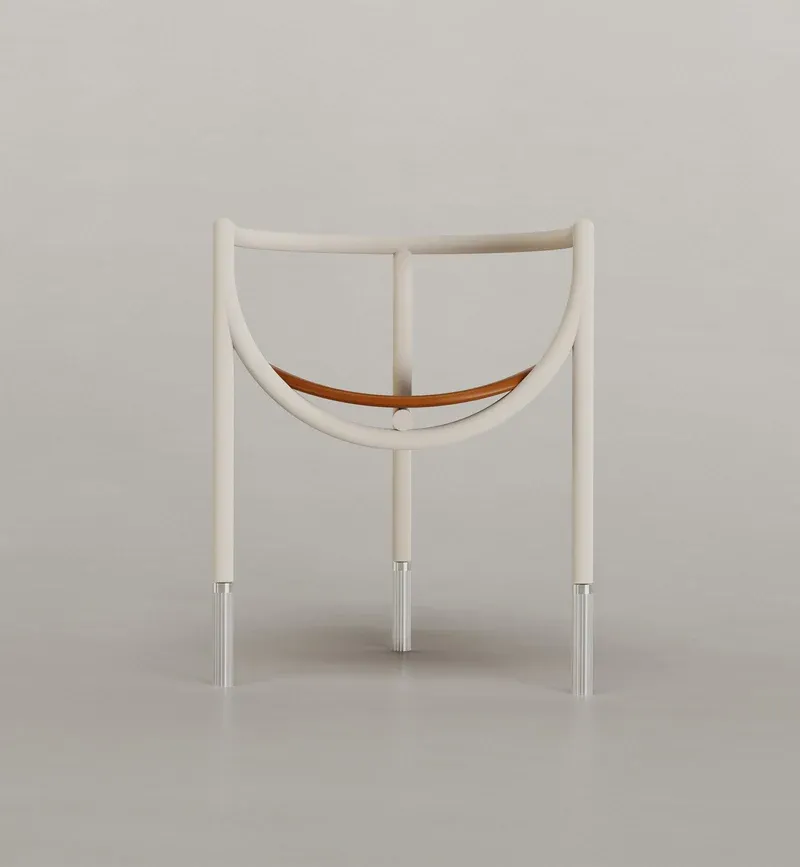
Whether you're examining a new collectible, a piece in Plot 6 COLLECTIONAL, or just gazing out your window, the Bauhaus teaches us that creativity never exists in isolation.
Art, design, and culture are always connected, shaped by many hands, and made richer through sharing.

Monday to Friday 10:00 – 18:00
Eden House, Al Satwa
Jumeirah Garden City - 41st St - Al Satwa
Dubai, United Arab Emirates