Michael van Beuren
See also: Luteca
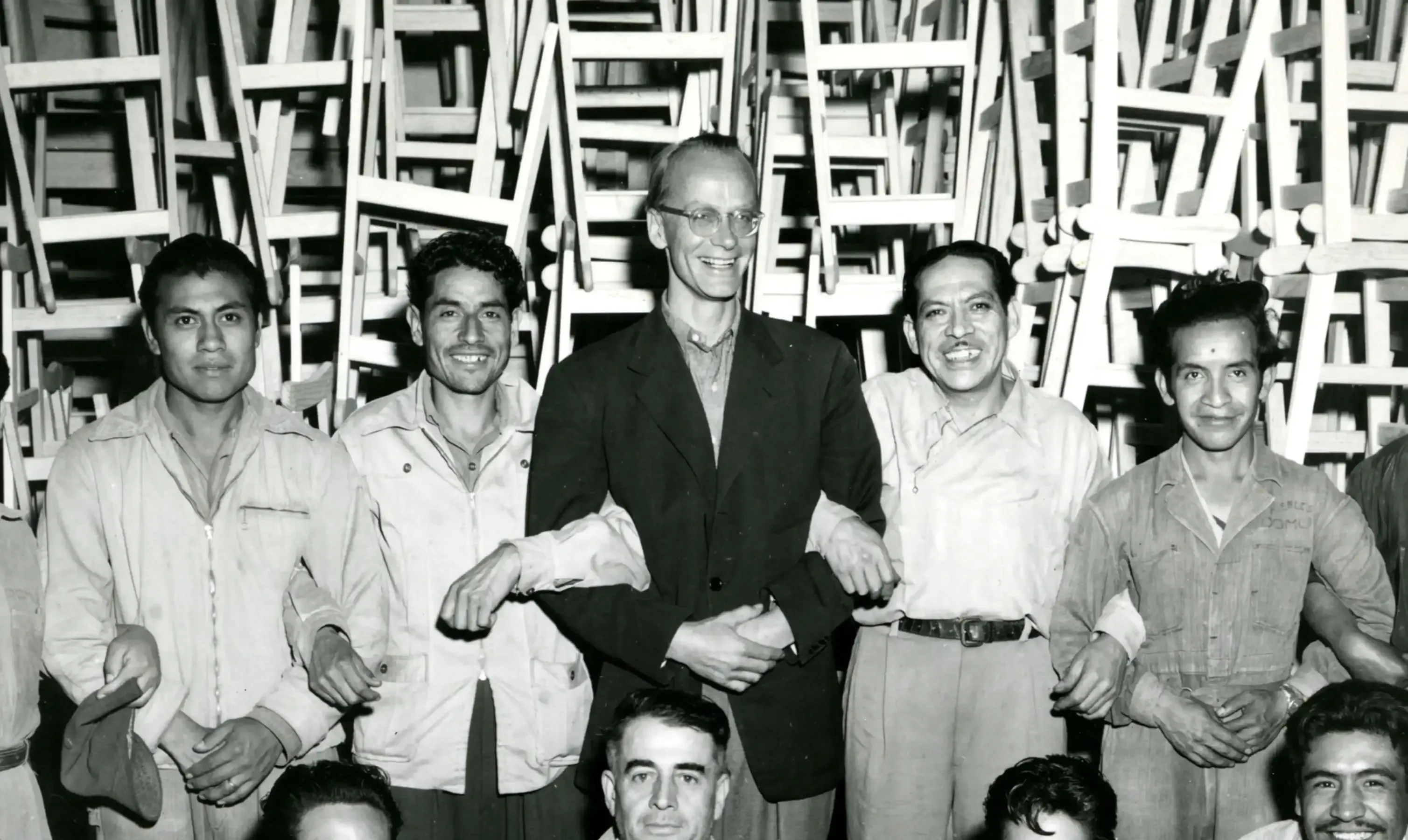
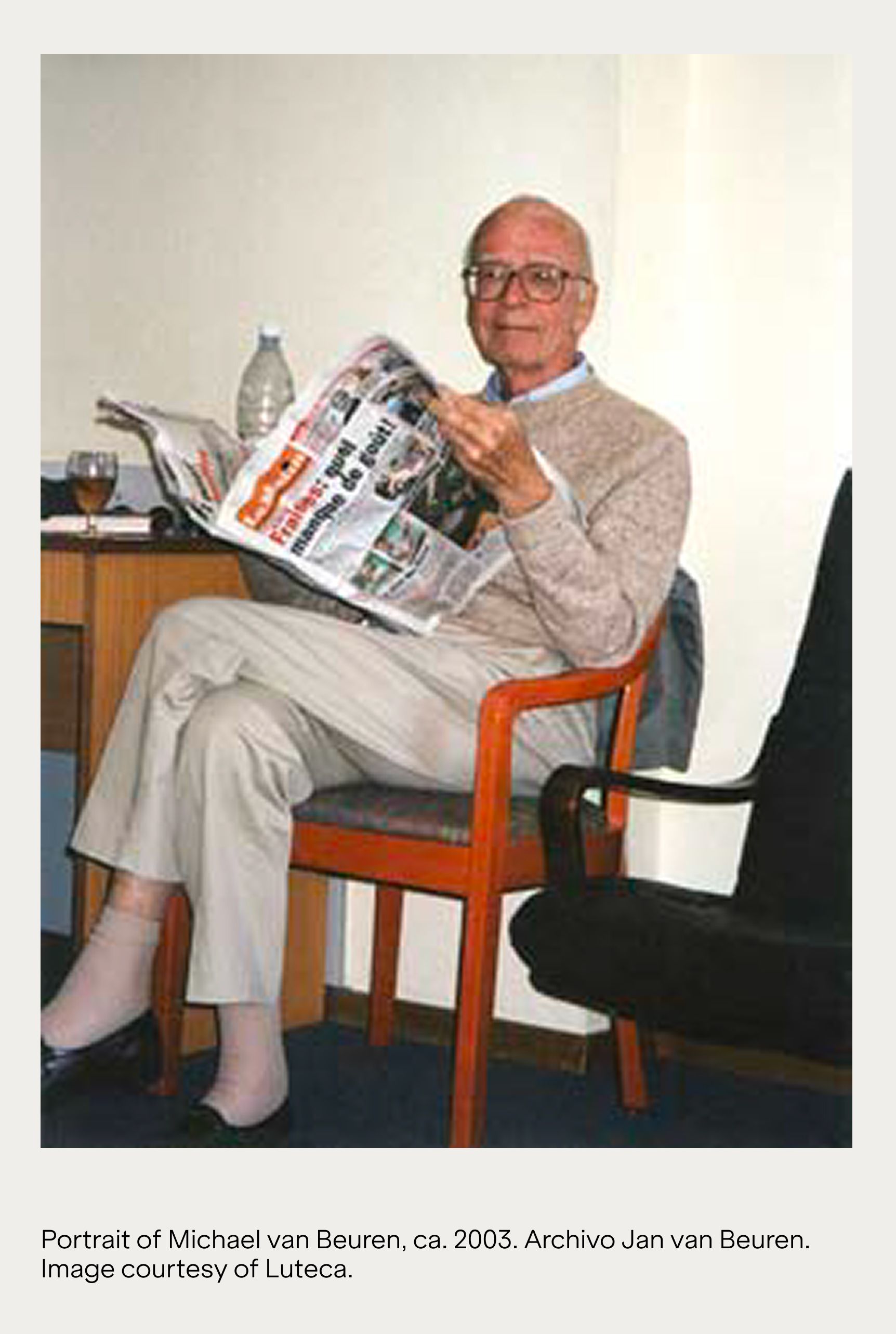
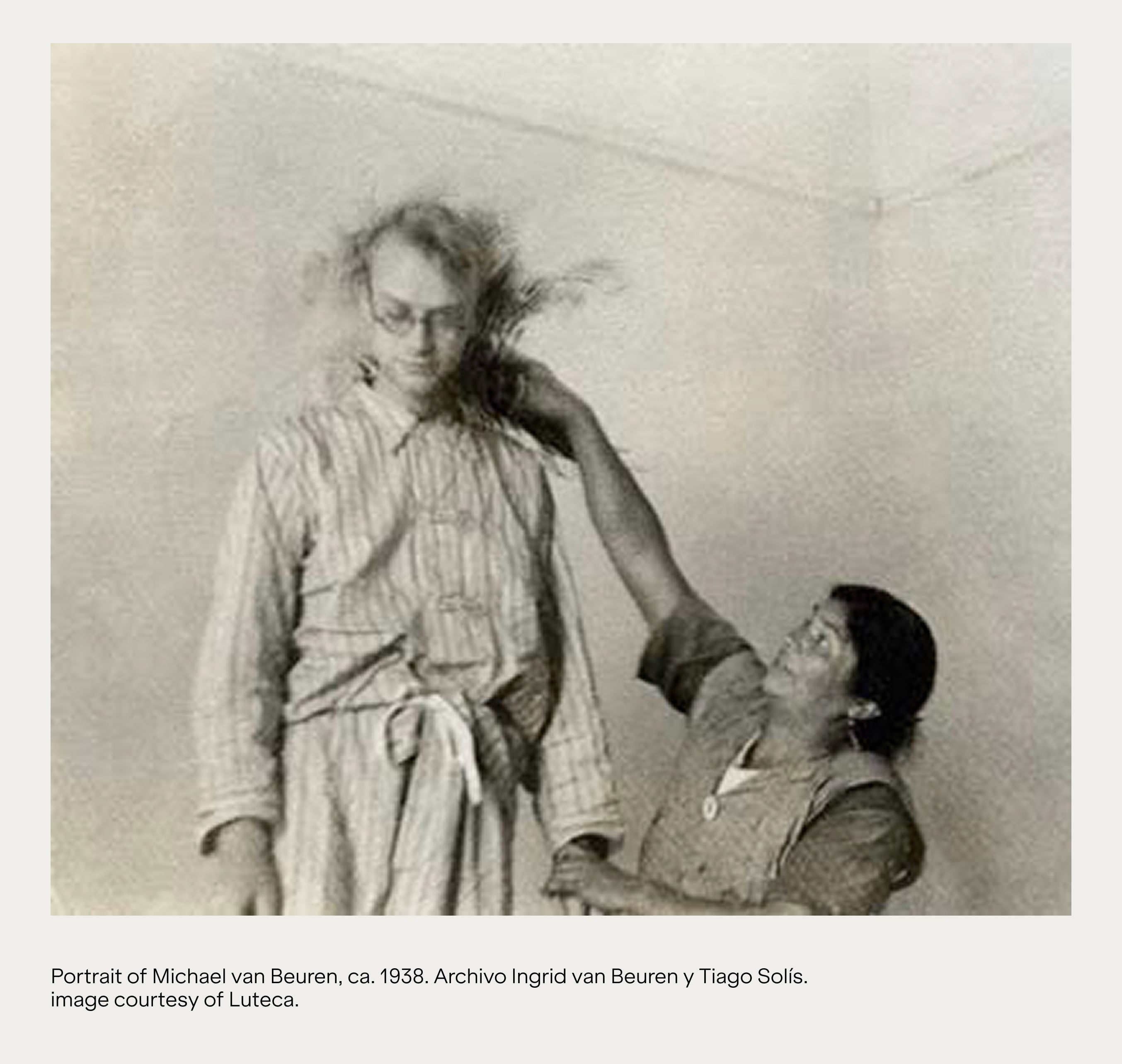
Michael van Beuren was an American‑born architect and furniture designer whose commitment to Bauhaus functionalism, paired with a deep respect for Mexican craft, made him a central figure in the development of modern furniture in twentieth‑century Mexico.
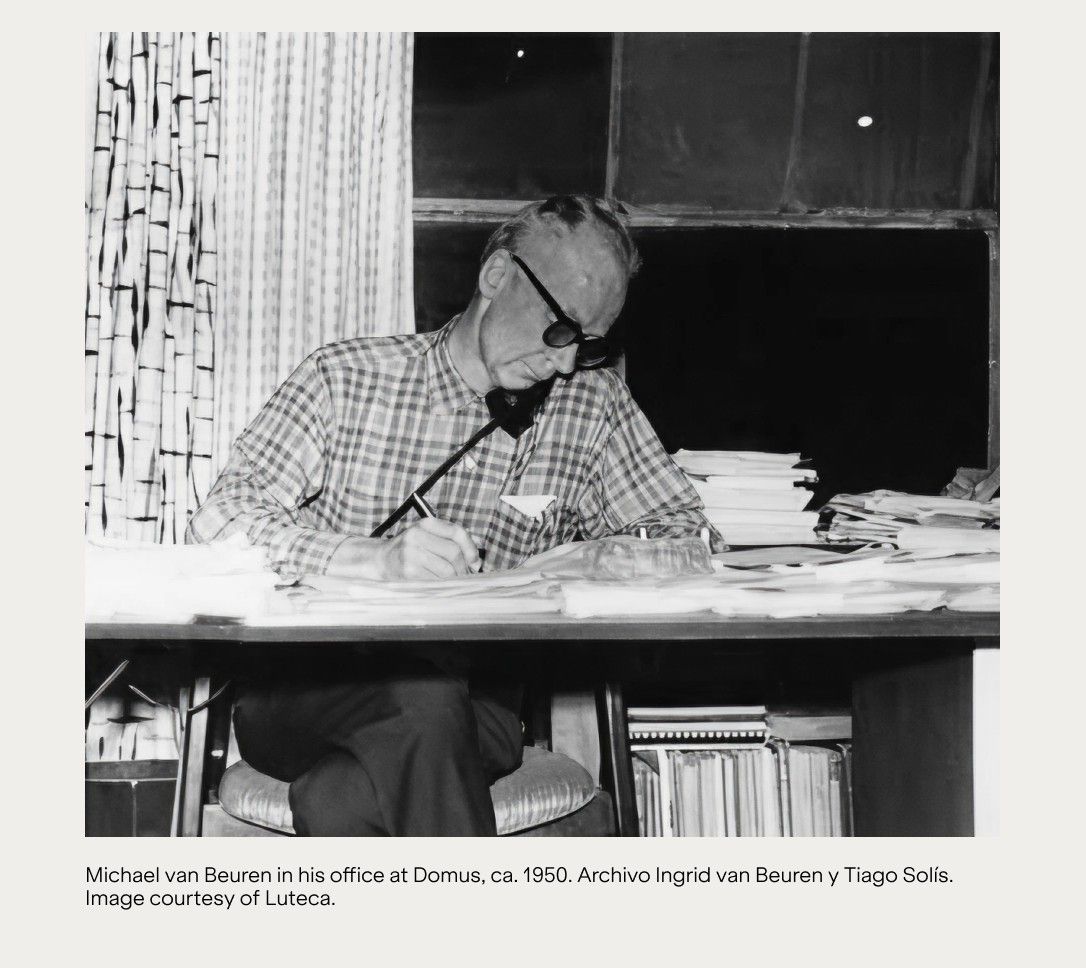
He studied architecture at the Bauhaus under Ludwig Mies van der Rohe and Josef Albers until the school closed in 1933. Van Beuren arrived in Mexico in 1937, first overseeing the interiors of the Flamingo Hotel bungalows in Acapulco before settling in Mexico City. When architectural practice proved difficult without local accreditation, he shifted toward furniture design, partnering with fellow Bauhaus alumnus Klaus Grabe to form Grabe & Van Beuren. He later founded Domus, the label that would become synonymous with well‑crafted, modern pieces for the Mexican market.
Key Works and Projects
Several pieces define his contribution:
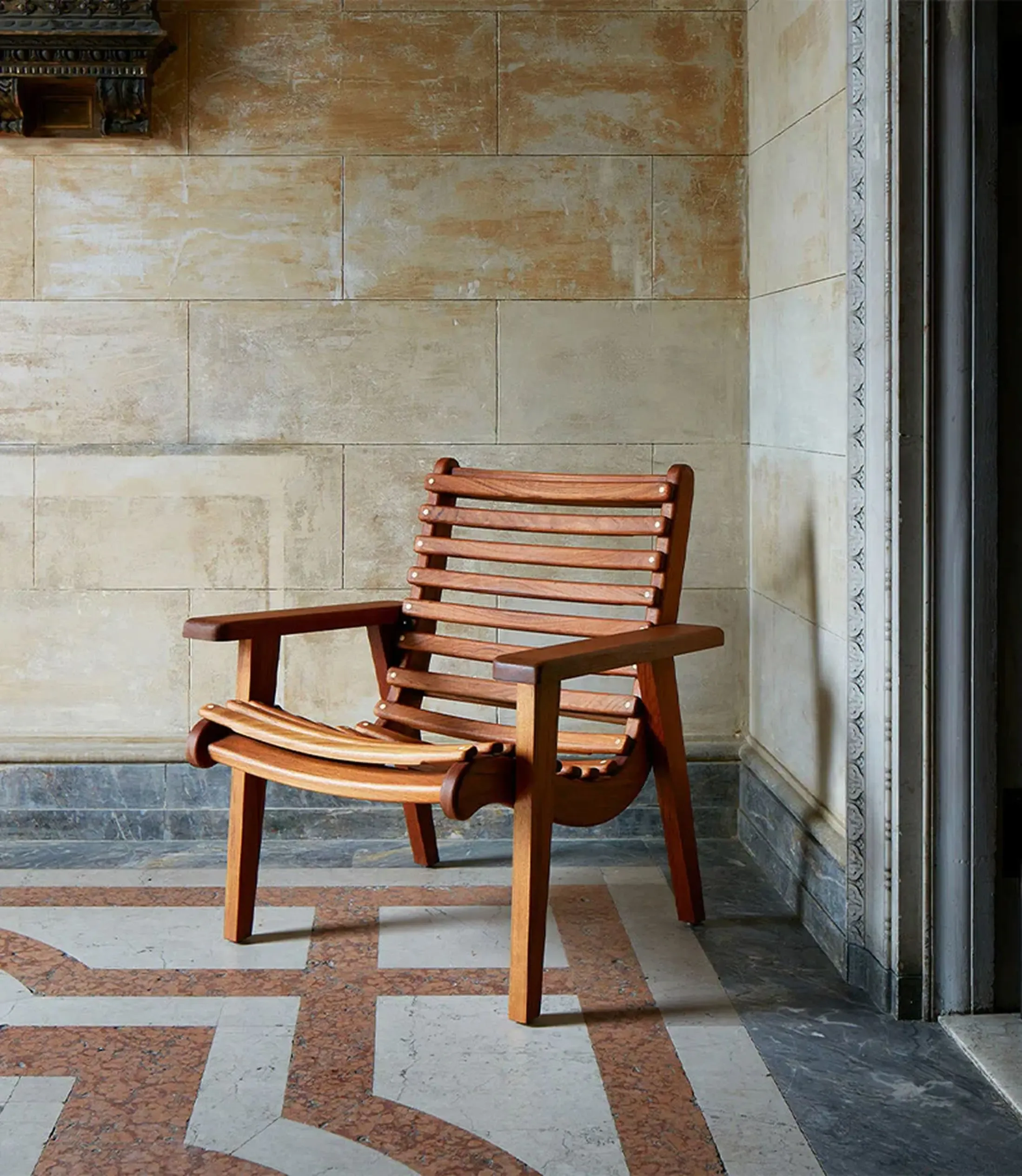
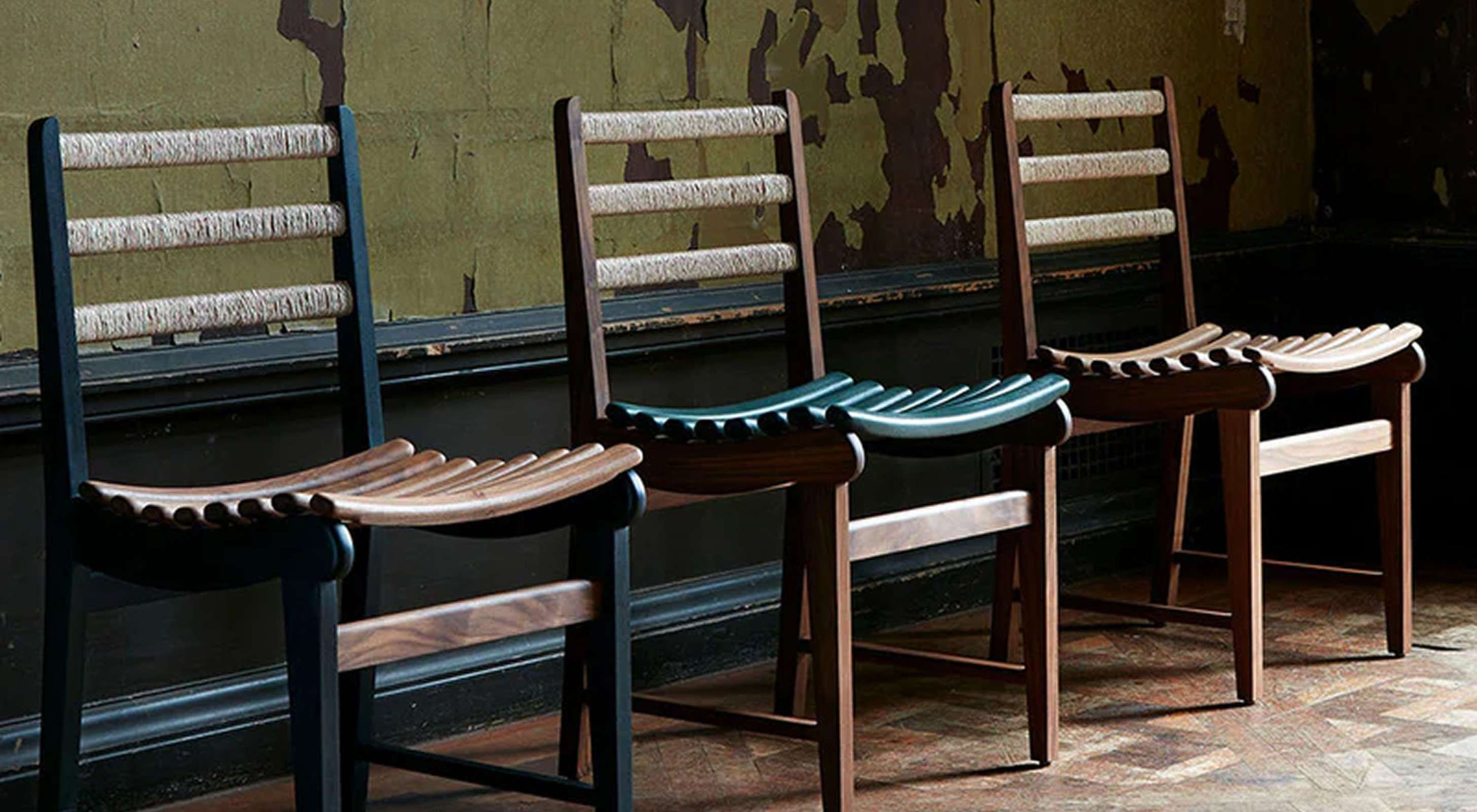
San Miguel Lounge Chair (1941): Inspired by the traditional Latin American butaque form and awarded at MoMA’s Organic Design in Home Furnishings competition. It was later sold at Bloomingdale’s, New York.
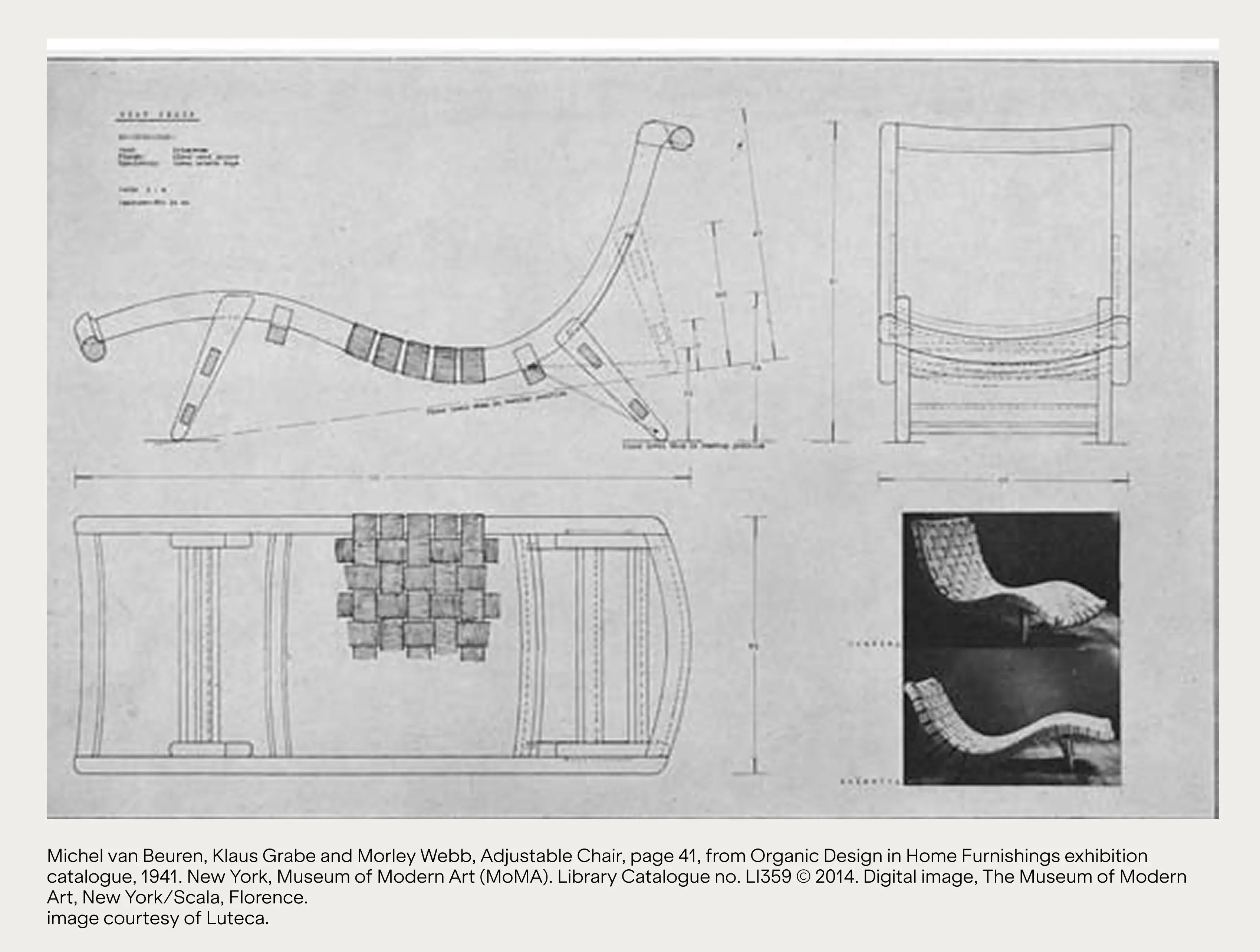
Alacrán Chaise Lounge (1941): Co‑designed with Grabe and Morley Webb, this flowing woven recliner won the same MoMA competition and became one of the most recognisable pieces of Mexican modernism.
The Line Lounge Chair (c. 1945): A distilled study in curved timber and woven seating, capturing his approach at its most essential.
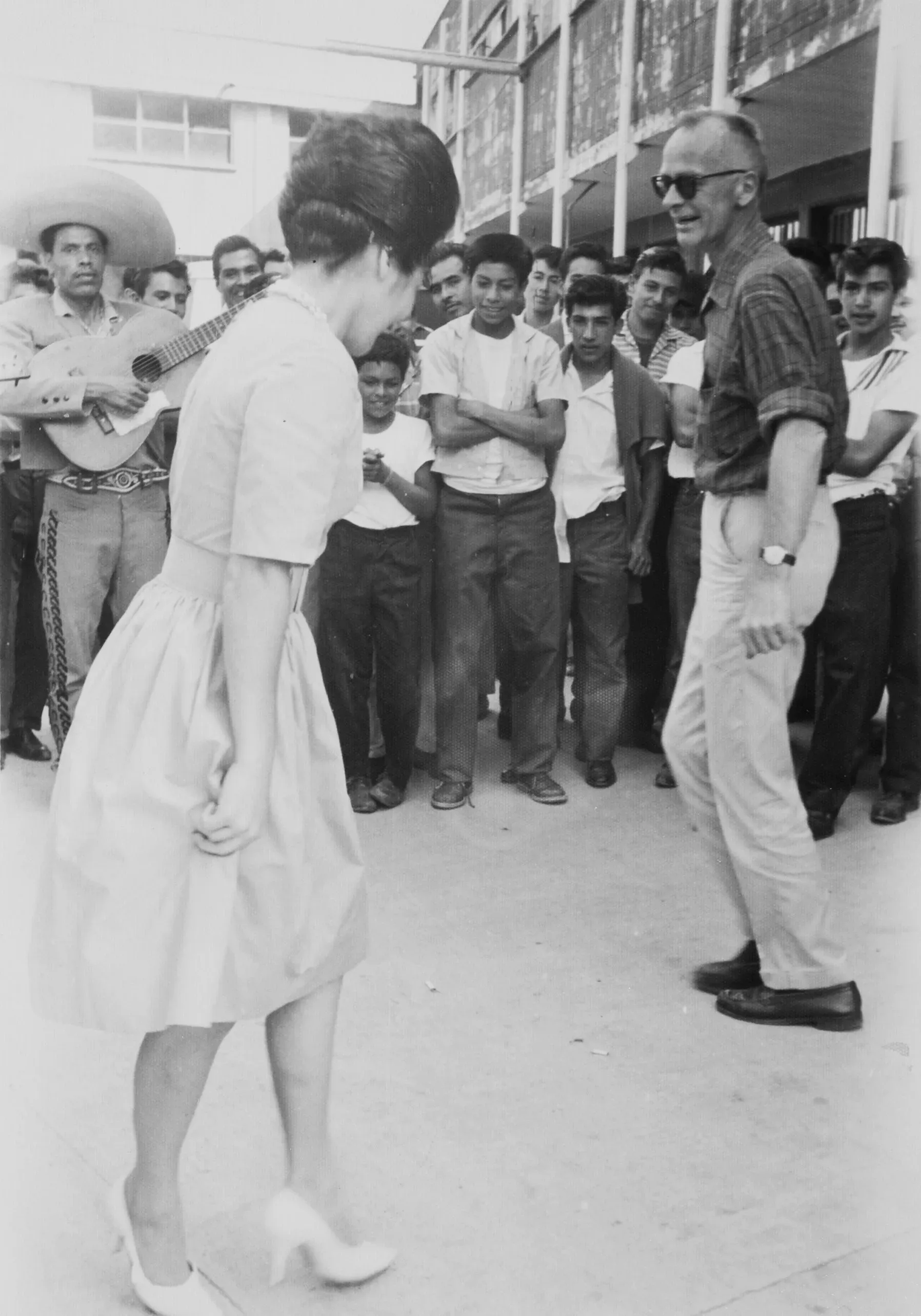
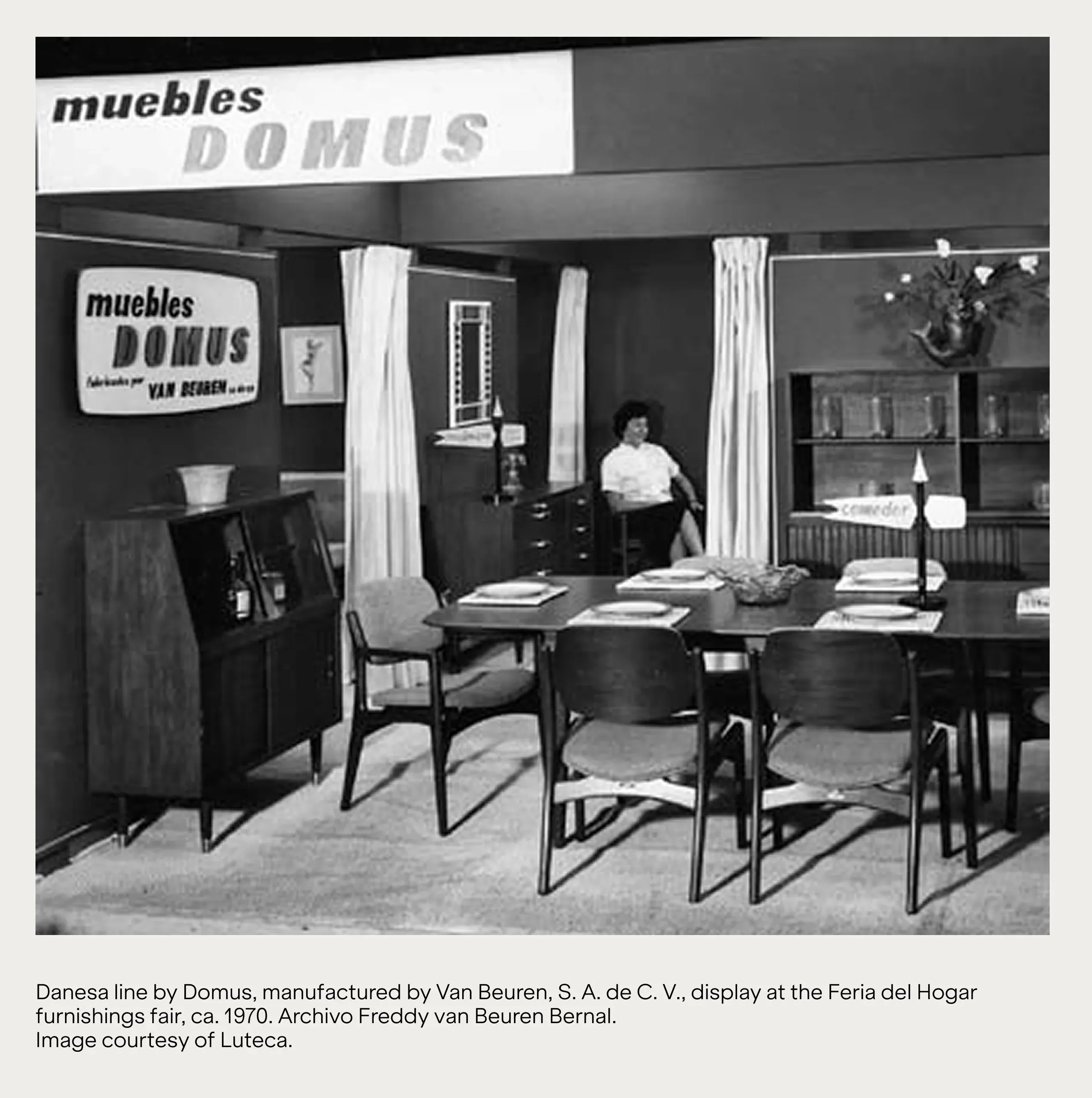
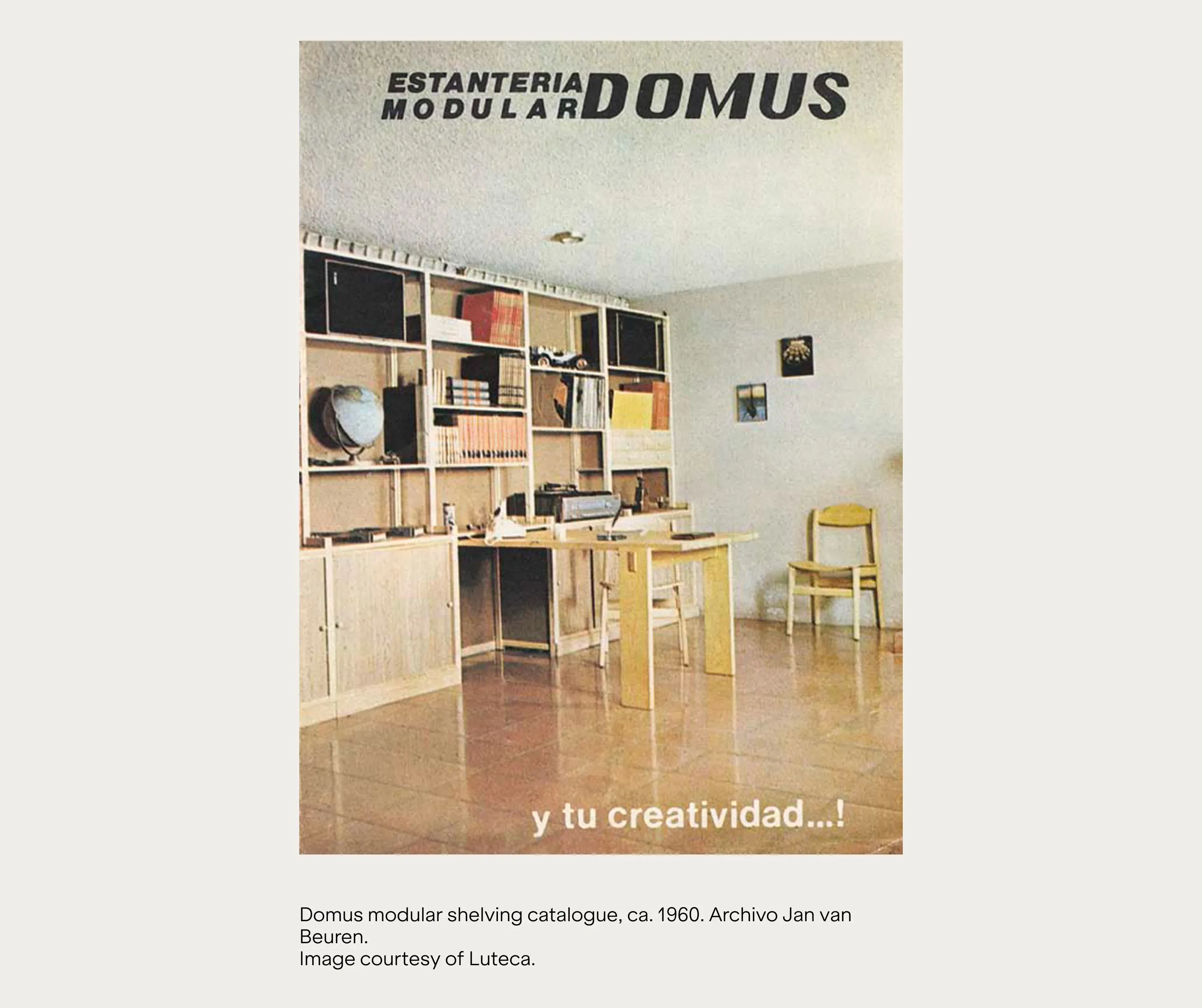
The Domus label: Operating as both design studio and manufacturer, Domus introduced a sustained programme of well‑crafted, accessible modernist furniture to the Mexican market for more than a decade.
Bridging Two Design Cultures
Van Beuren holds a rare place in design history as someone who translated, rather than transplanted, a design philosophy. While many European‑trained designers in Latin America adhered strictly to modernist doctrine, he allowed local materials and craft traditions to shape his thinking. The result was work that neither tradition could have produced alone, giving Mexican modernism a distinct character separate from its European and North American counterparts.
Recognition and Legacy
The 1941 MoMA Organic Design in Home Furnishings competition marked the moment van Beuren’s work reached international attention, placing Mexican furniture design on a global stage for the very first time.
His Domus label went on to define the interiors of a generation of modern Mexican homes and institutions. After decades of limited visibility outside Mexico, his work has seen renewed scholarly and commercial interest, including a retrospective at the Museo Franz Mayer in Mexico City and the revival of key designs by the French label Luteca, which has reintroduced his pieces to contemporary audiences.
How His Influence Shows Up Today
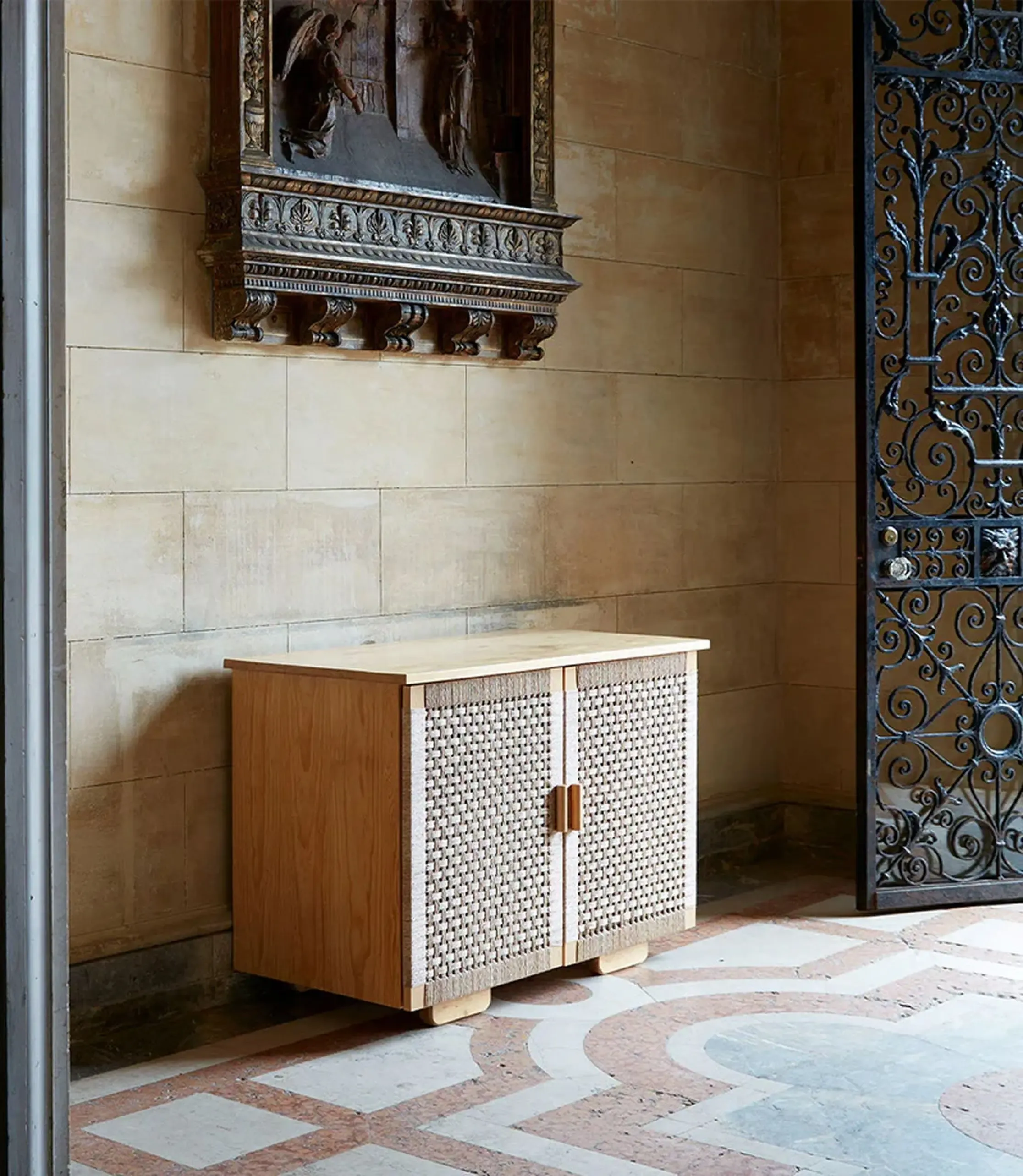
The combination van Beuren perfected, slender timber frames, woven natural‑fibre seating, and organic curves held within a rational structure, continues to shape contemporary furniture. His belief that good design should be accessible, well‑made, and materially honest anticipates values central to today’s design culture. In interiors, his original pieces function as both usable objects and historical anchors, carrying a quiet authority that bridges mid‑century Mexican identity and international modernism.
Featured products
Monday to Friday 10:00 – 18:00
Eden House, Al Satwa
Jumeirah Garden City - 41st St - Al Satwa
Dubai, United Arab Emirates