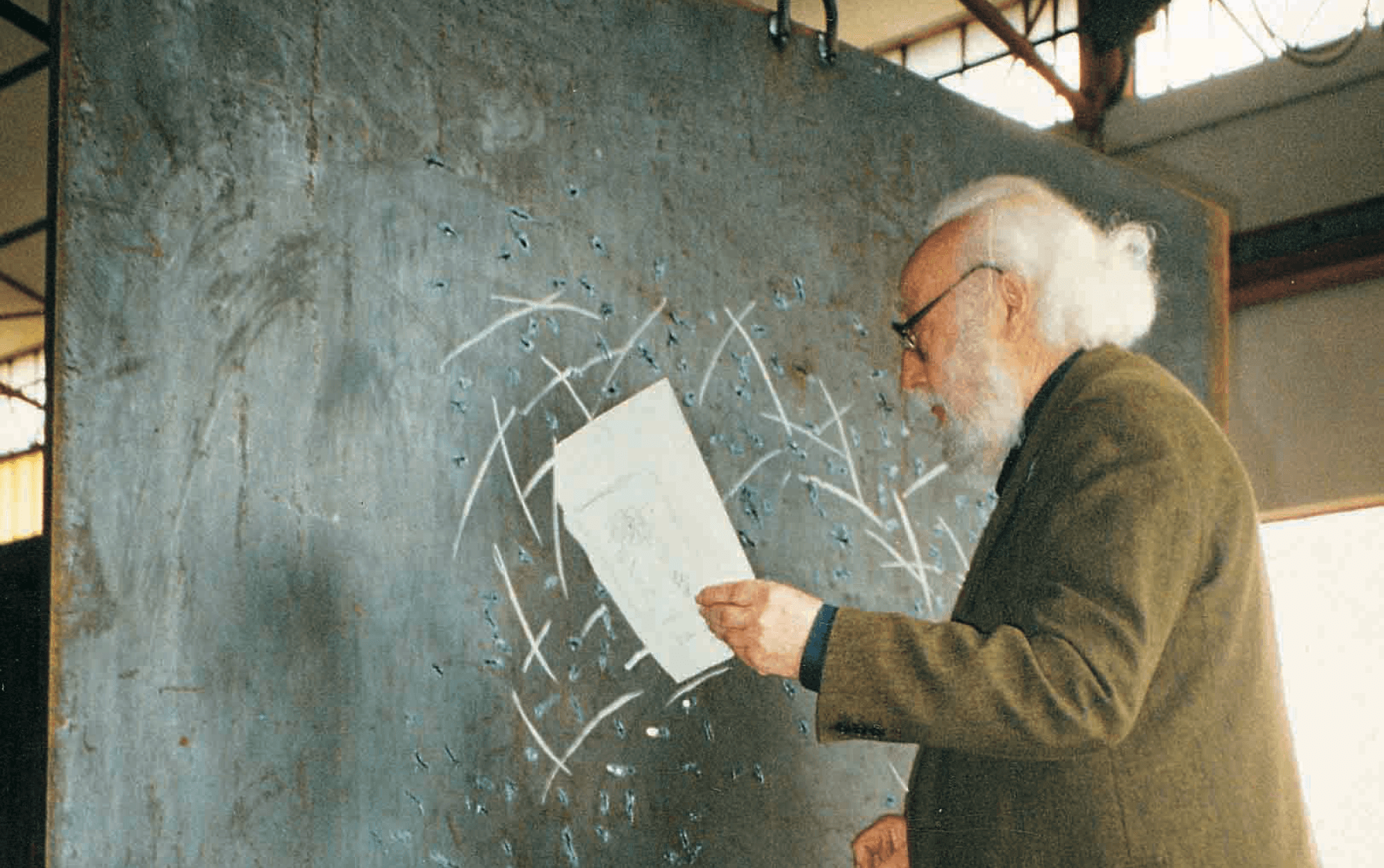
Angelo Mangiarotti
See also: Agapecasa
Angelo Mangiarotti was an architect, industrial designer and sculptor whose work is defined by structural clarity, material honesty and a quiet but powerful sense of form.
He studied architecture at the Politecnico di Milano and graduated in the late 1940s, entering practice just as Italian architecture and design were redefining themselves after the war. From the 1950s onward, he developed parallel careers in architecture, product design and teaching, working with leading Italian manufacturers. Across all these fields, the constant was an insistence that structure and material themselves give the piece its character.

Key Works and Projects
Several works are central to understanding his impact:
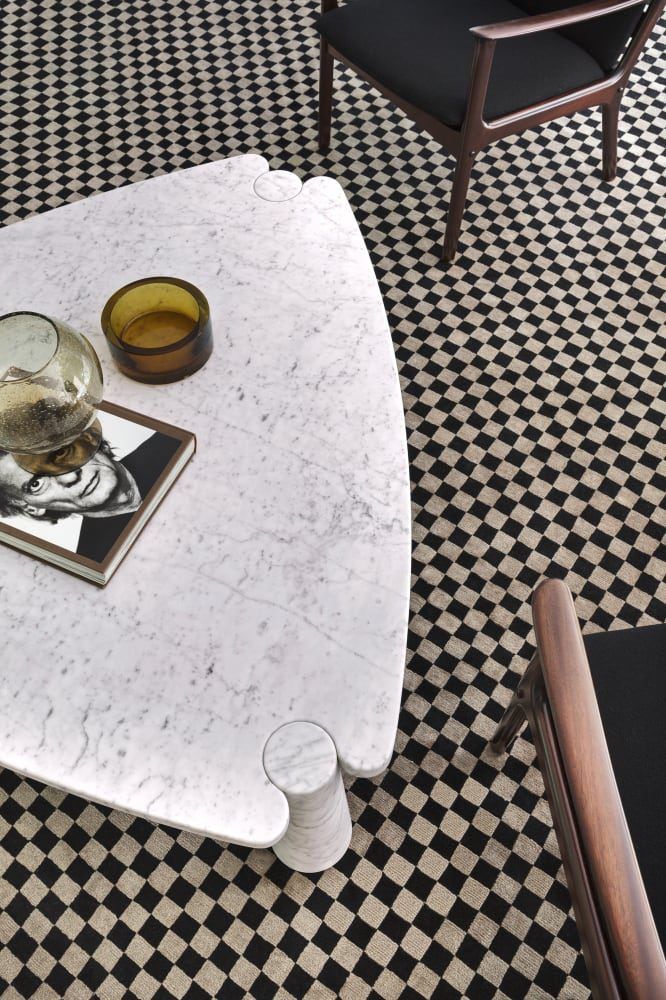
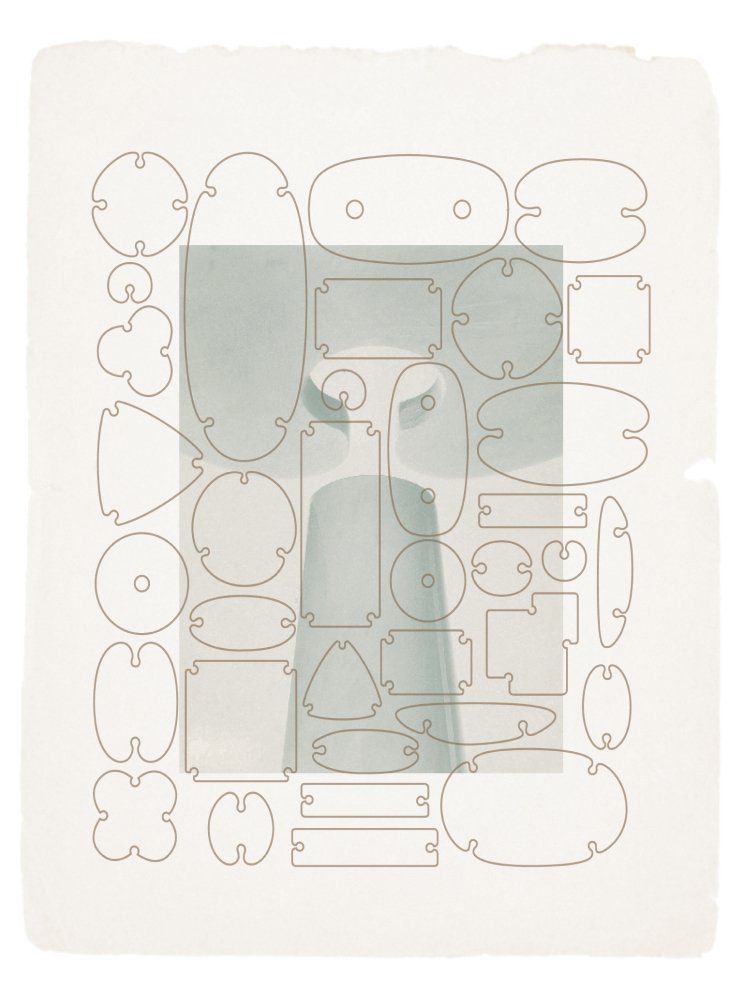
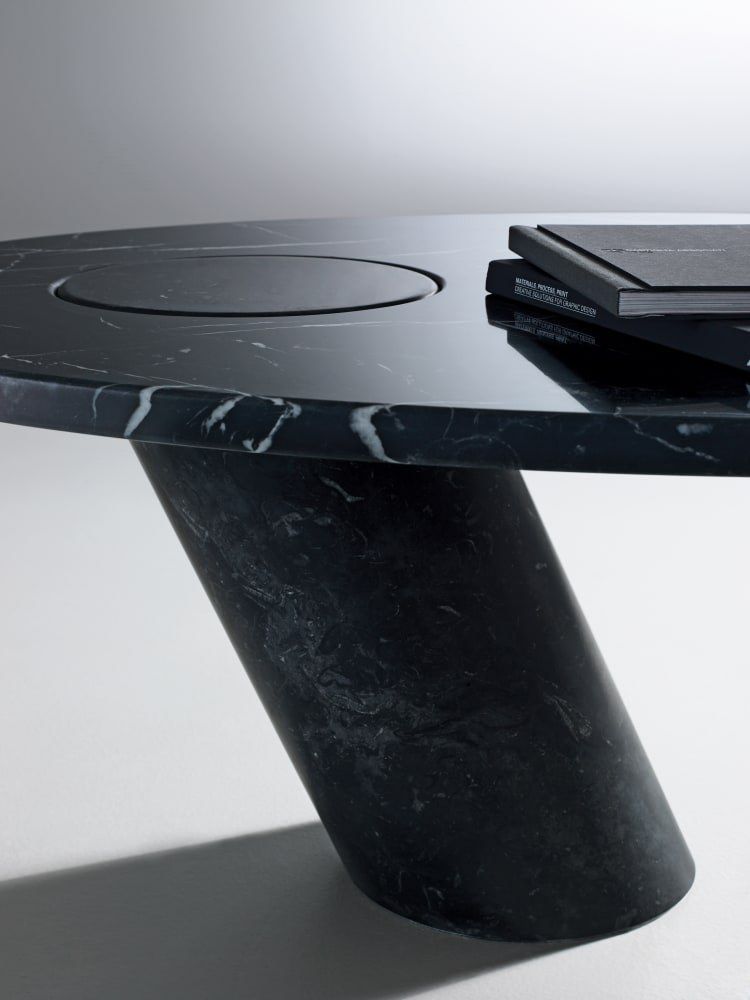
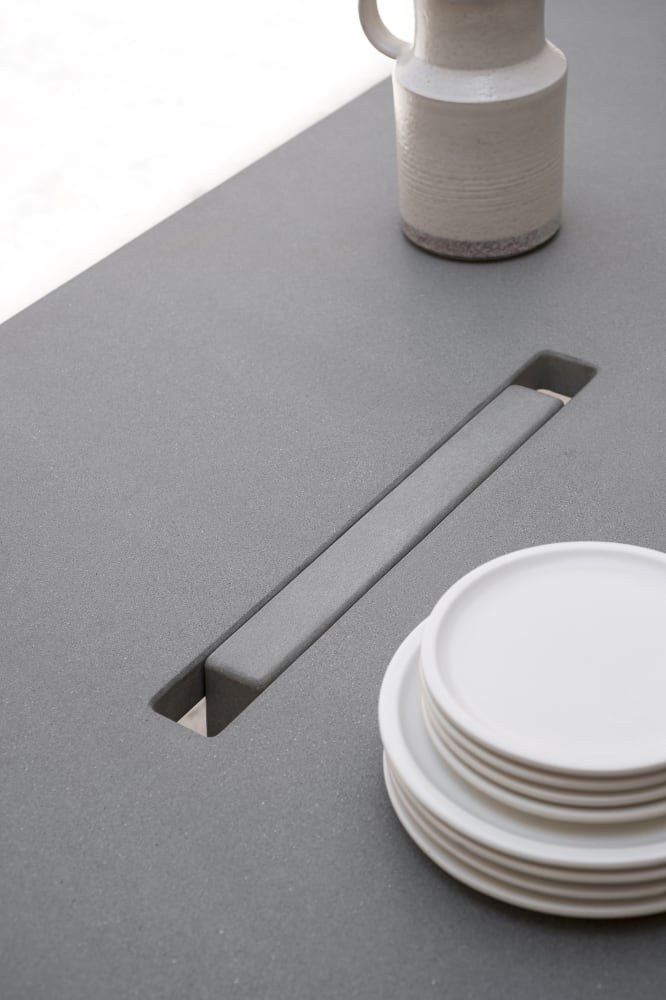
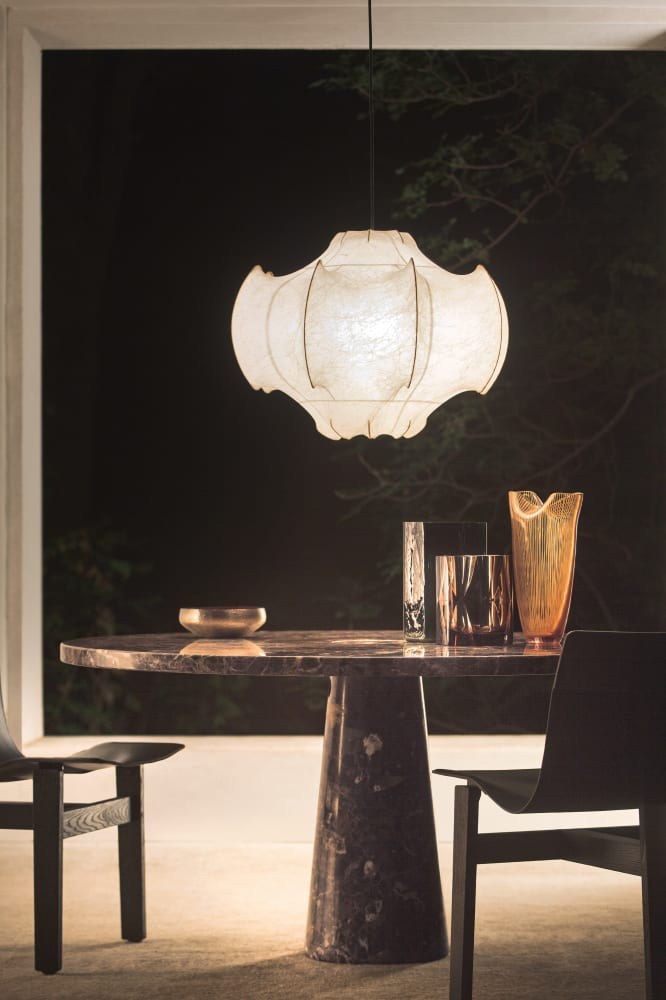
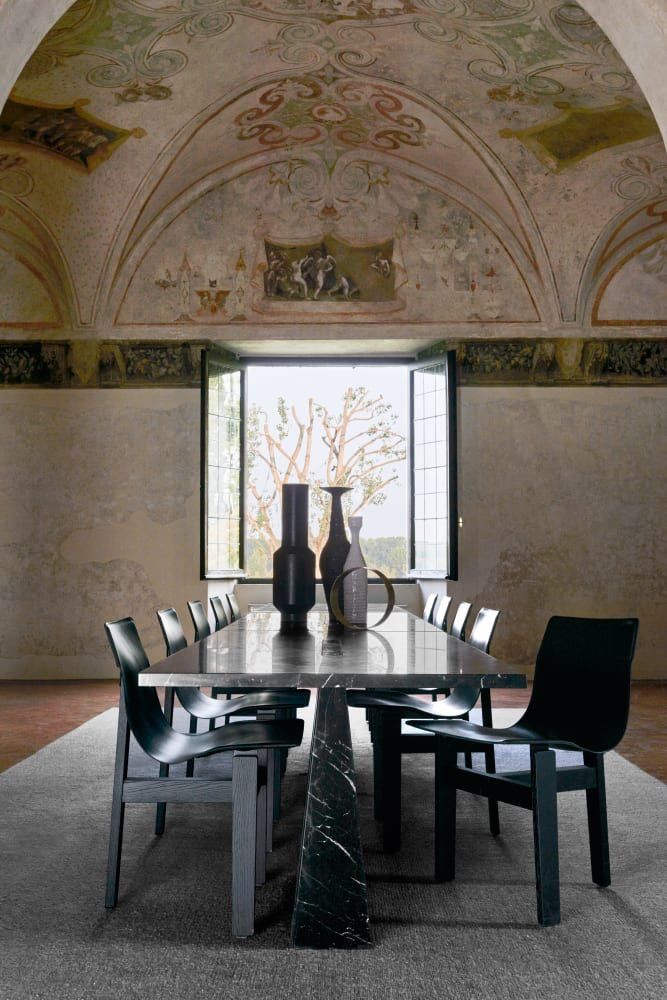
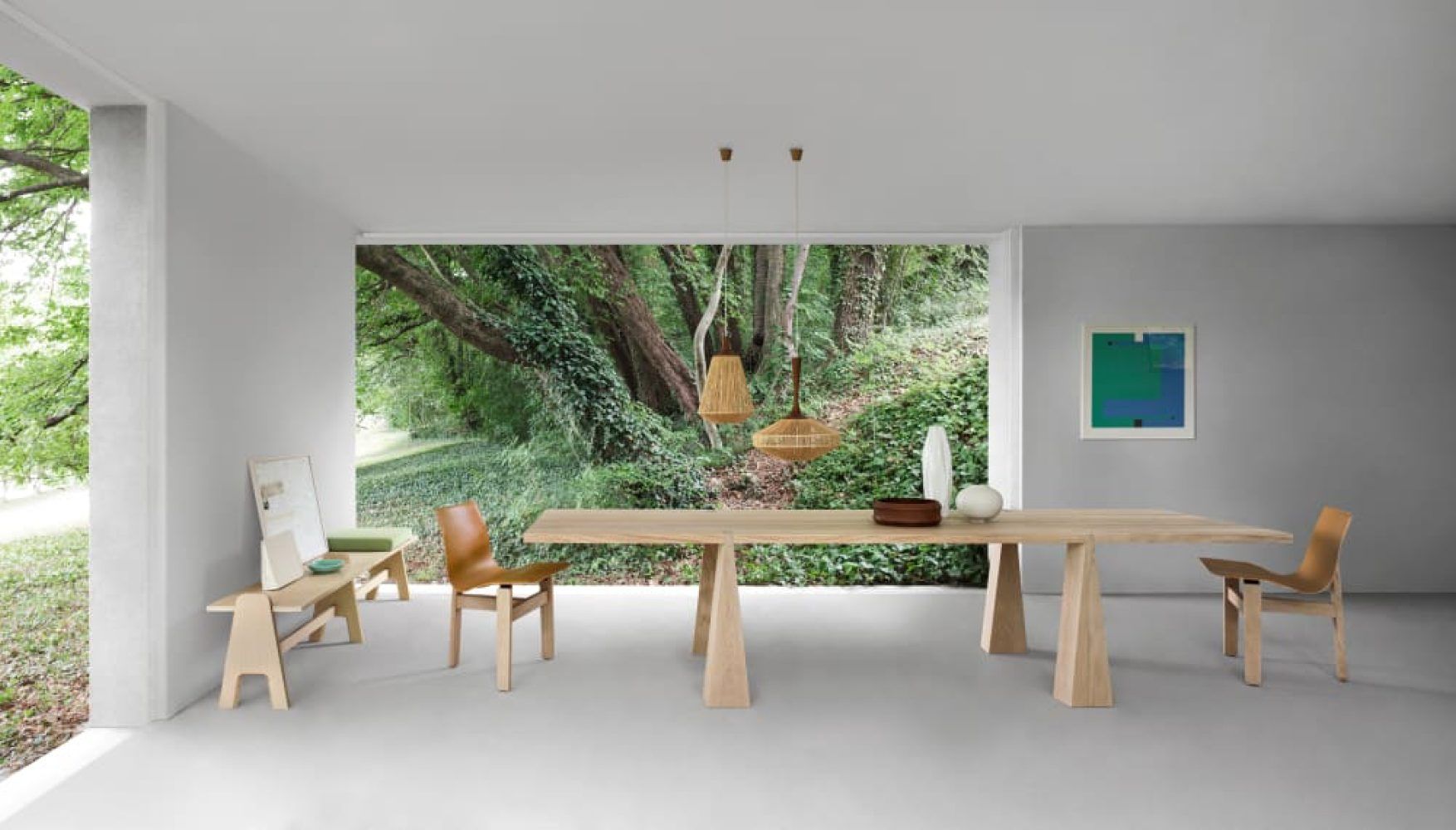
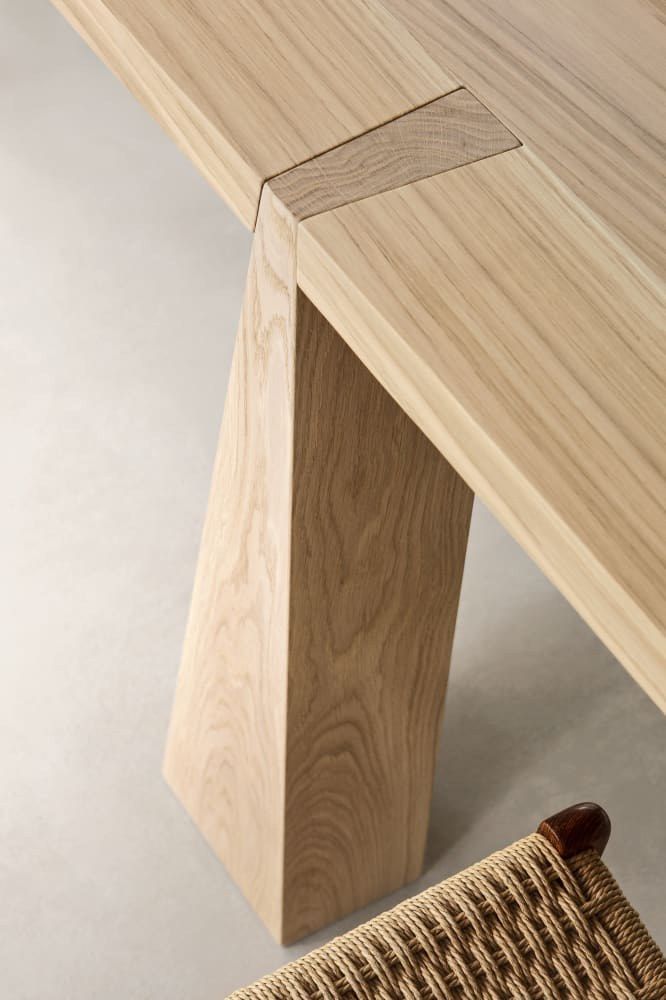
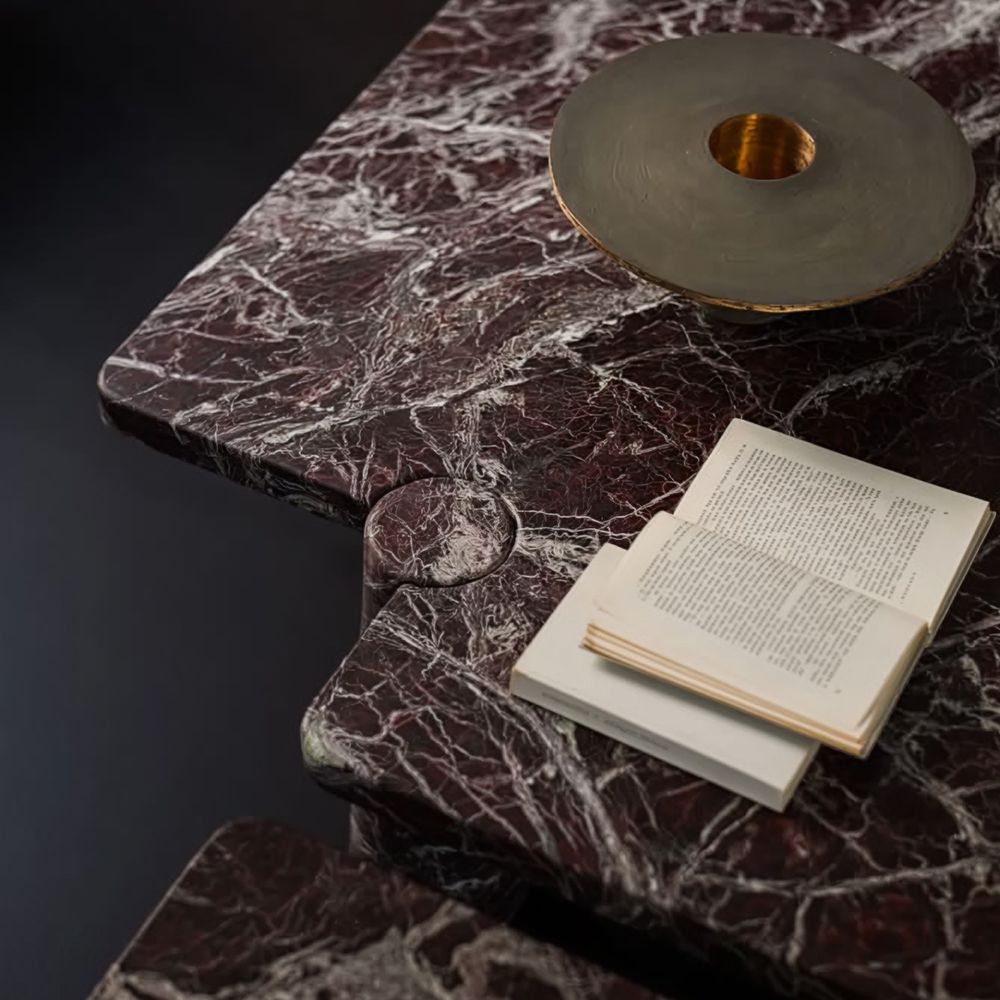
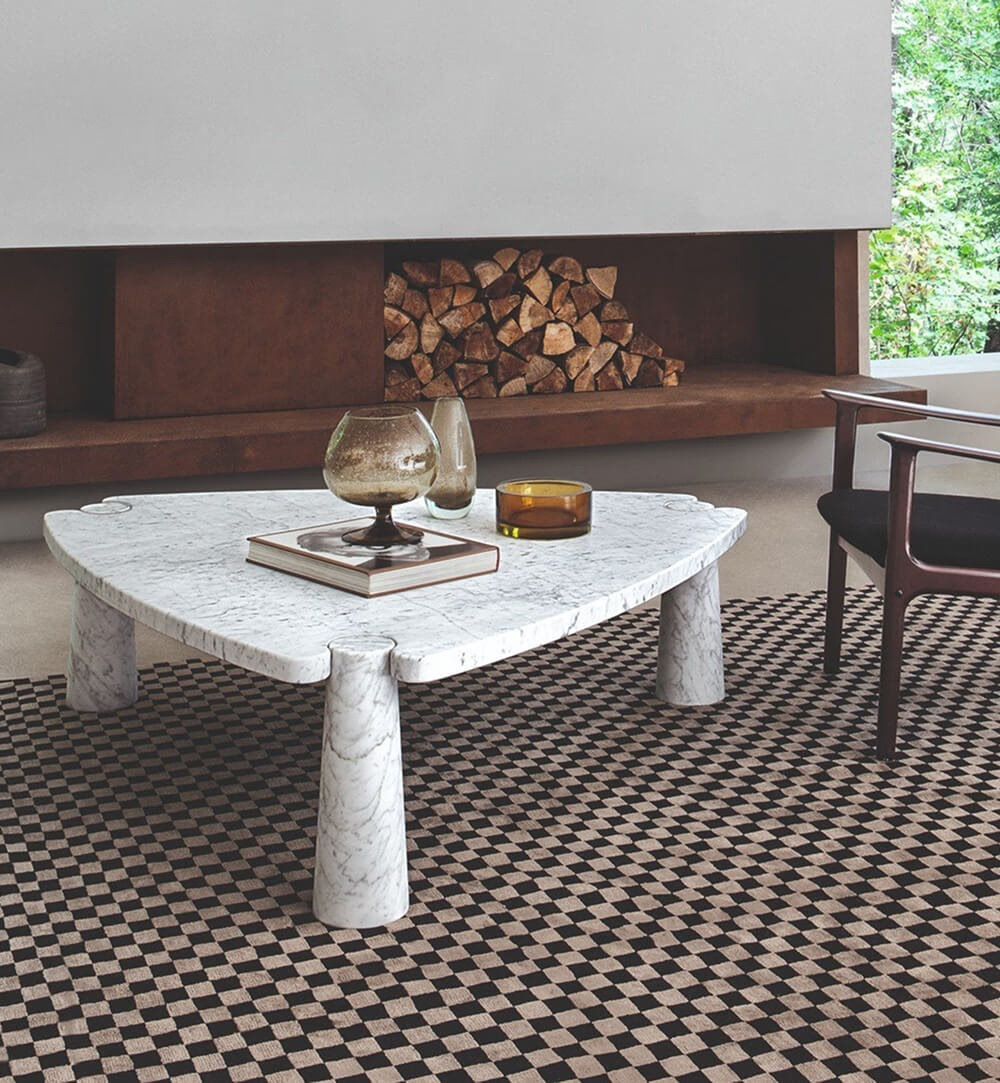
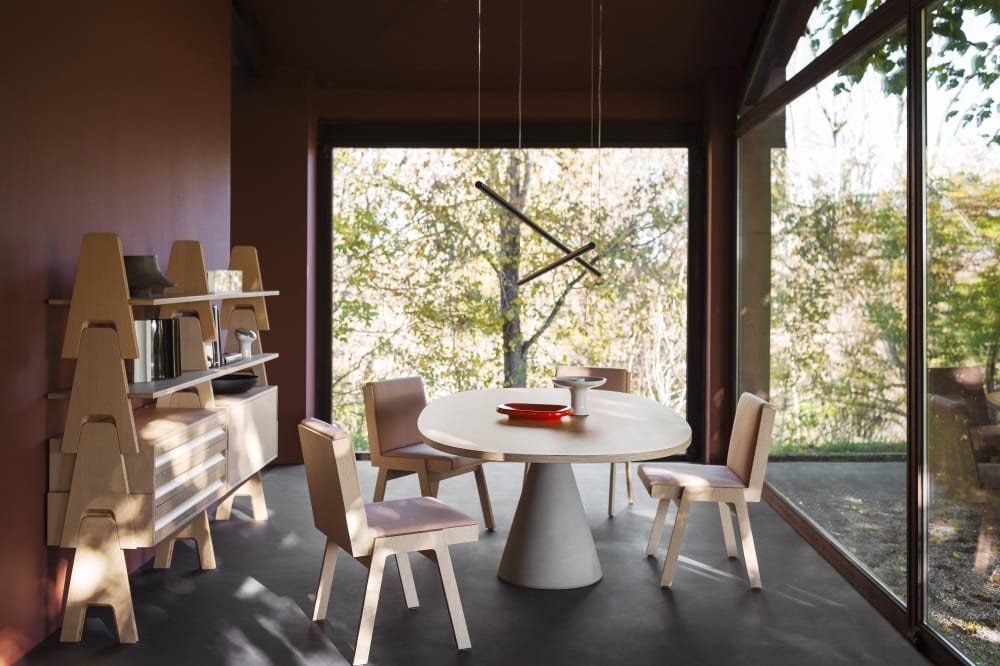
Eros tables for Agapecasa, a family of marble tables with tops rest on truncated-conical legs through gravity joints, with no mechanical fasteners. The conical leg engages a corresponding opening in the underside of the top, so that load and geometry alone stabilize the whole.
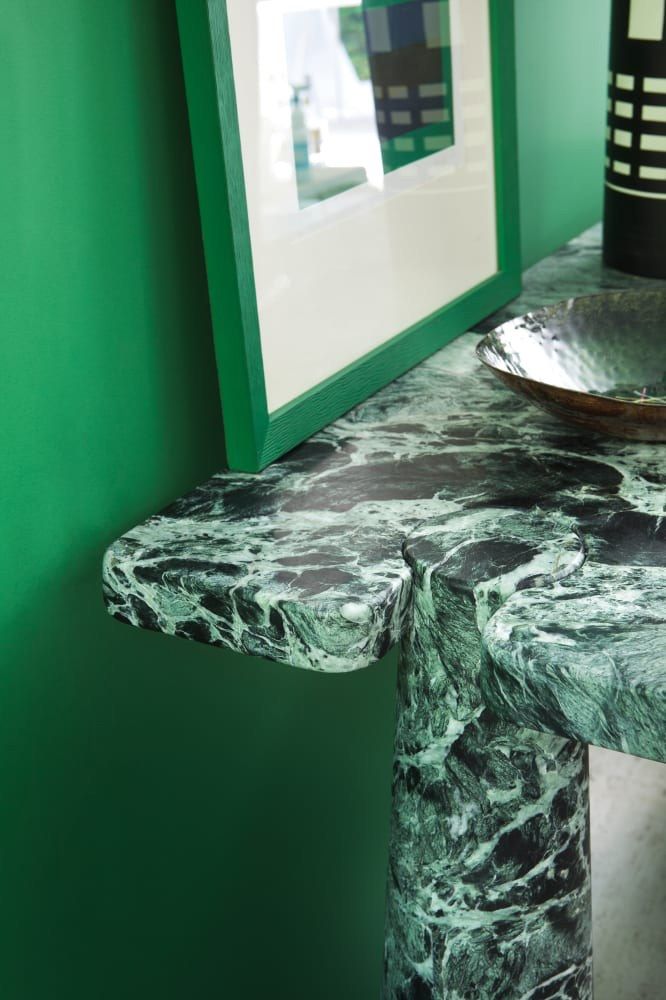
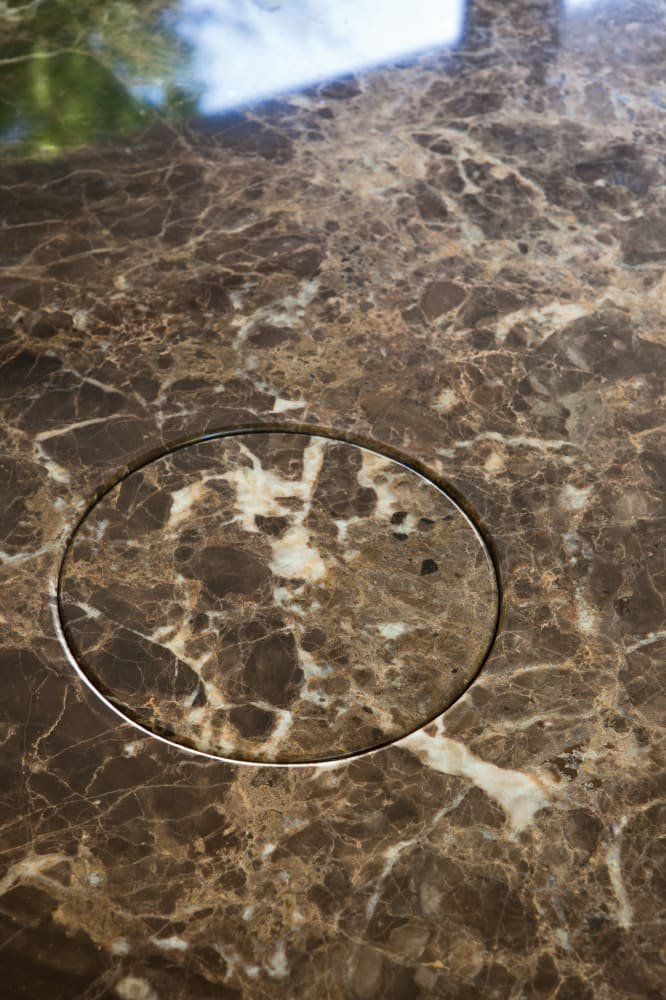
Eccentrico and Inca Tables are further explorations in stone where cantilevered masses and asymmetric supports, test the limits of balance while remaining structurally sound.
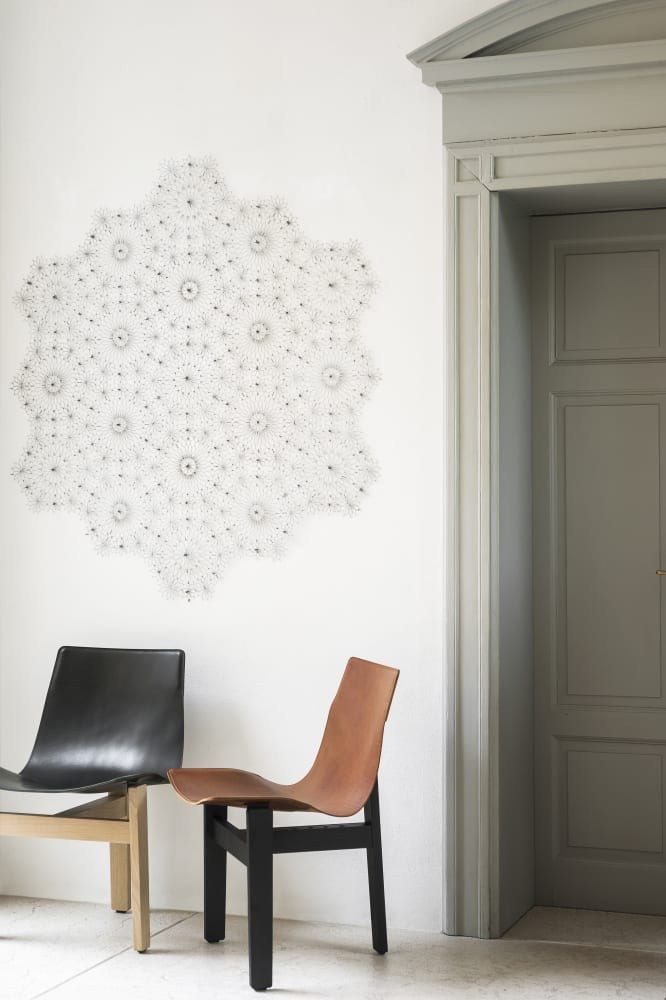
The Tre 3 chair is a three‑legged design crafted in wood and leather, engineered with a transverse support structure and precise joinery that ensure stability. Its minimal form demonstrates how thoughtful reduction can coexist with comfort and functional integrity.
In addition to furniture and objects, Mangiarotti designed industrial buildings, rail stations and urban projects, maintaining the same concern: how structure, material and use can align into clear, legible forms.
Realities of Construction
Mangiarotti is regarded as a key figure in post-war Italian design for his ability to merge rationalist principles with sensuous form. While many modernist designers pursued purity of line and industrial repetition, he insisted that each project begin with the realities of construction: how elements meet, how loads are transferred, how materials age.
By making these aspects visible rather than concealed, he offered an alternative to surface-driven design and influenced generations of architects and designers who see structure as a source of expression.
Global recognition and Legacy
Mangiarotti’s work gained international visibility from the 1960s through collaborations with leading Italian manufacturers and his institutional. Pieces such as the Eros tables, stone consoles and glass lamps, circulated widely in both residential and contract interiors, making his structural language familiar well beyond Italy.
A renewed interest in post-war Italian design and in materially driven, long-lasting objects has brought his work back into focus in recent years, with re-editions and dedicated exhibitions affirming its relevance.
How His Influence Shows Up Today
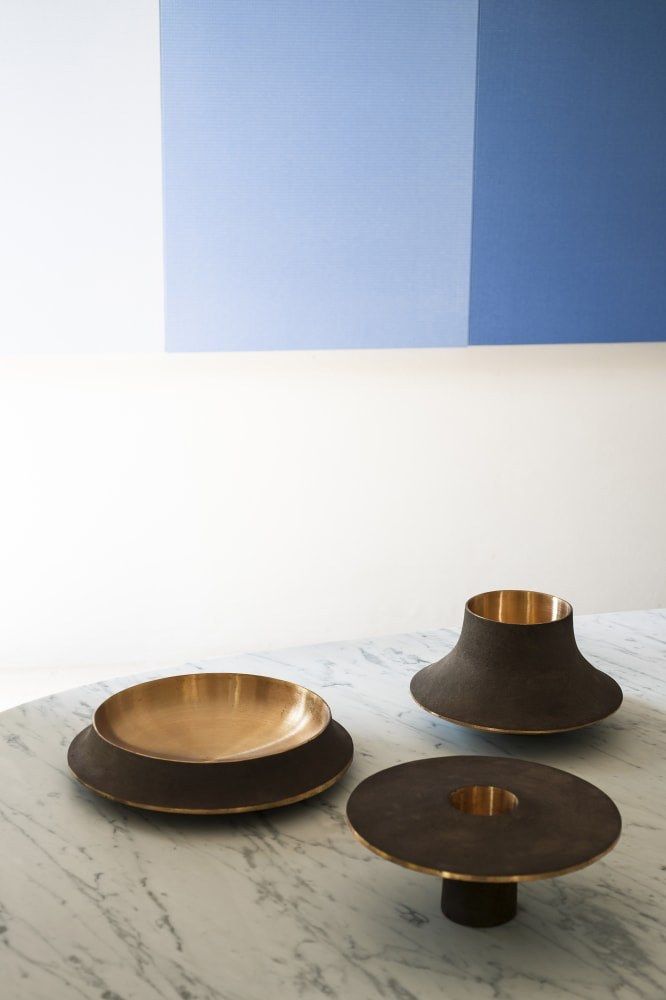
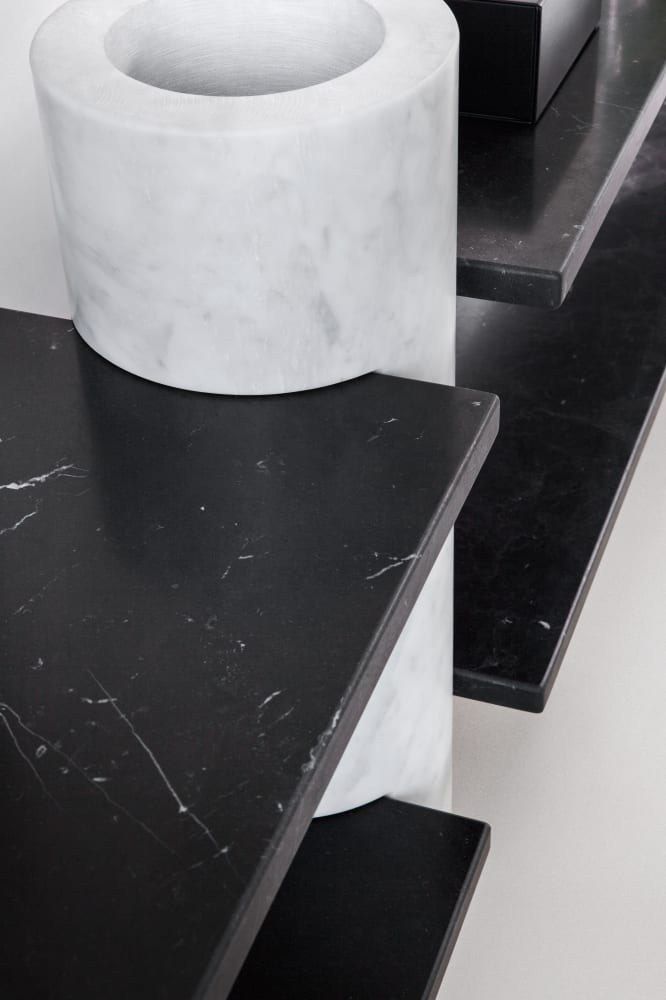
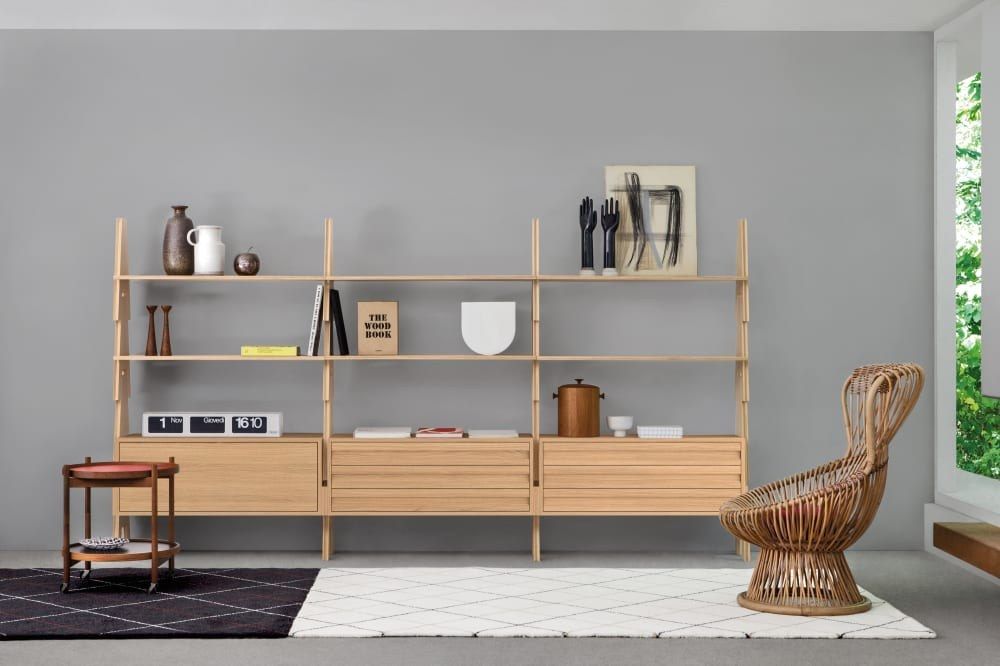
Many contemporary designers continue to draw from Mangiarotti’s principles. Sculpted stone and marble tabletops balanced on shaped supports, shelving systems that reveal their structural logic, and lighting that allows glass forms to carry and diffuse illumination all echo his approach to material honesty and intuitive construction.
In interiors, original Mangiarotti pieces act as both functional pieces and architectural sculpture, grounding spaces with a calm, confident presence that reflects his enduring impact on modern design.
Featured products
Monday to Friday 10:00 – 18:00
Eden House, Al Satwa
Jumeirah Garden City - 41st St - Al Satwa
Dubai, United Arab Emirates