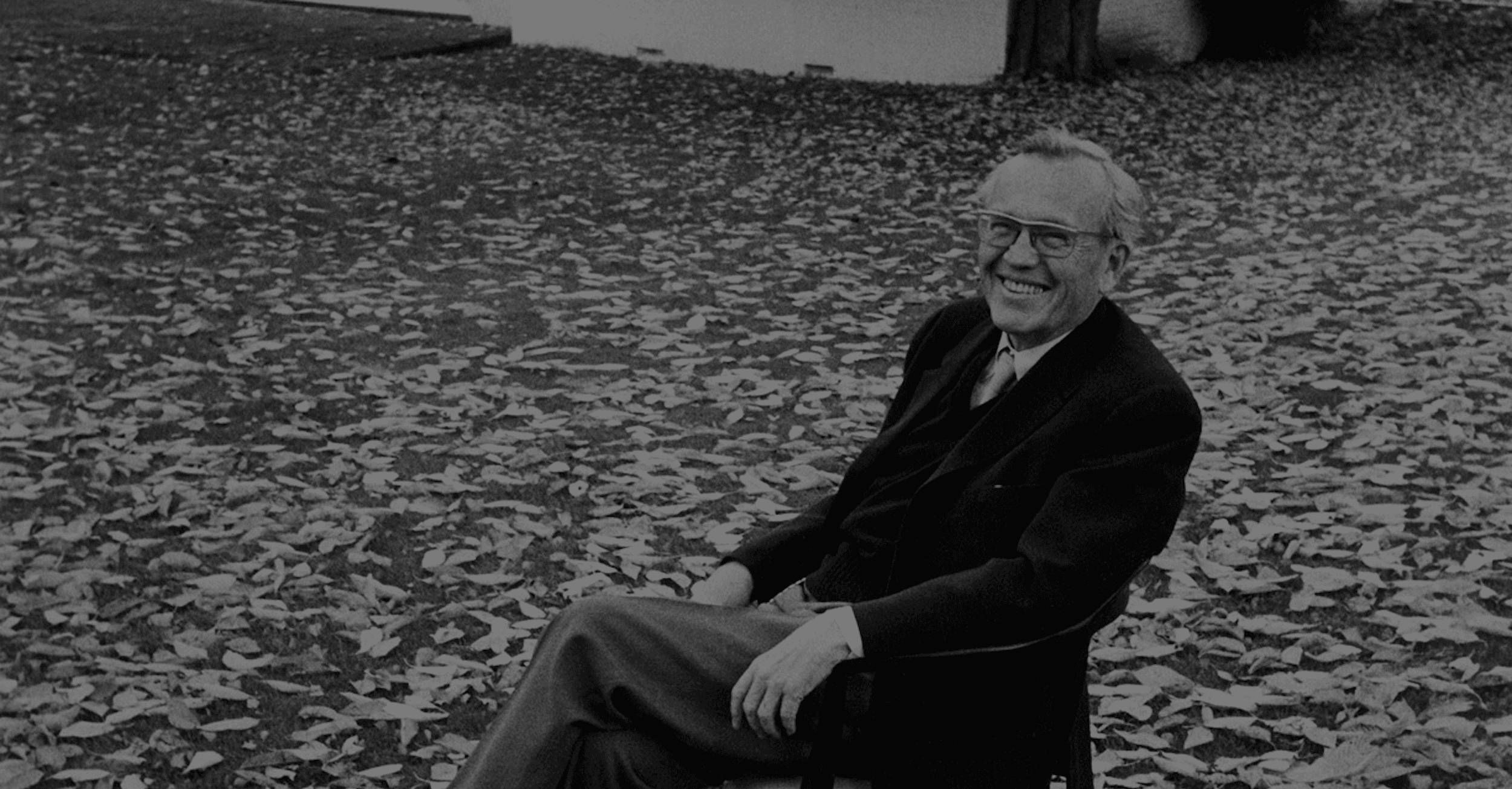
Finn Juhl
See also: House of Finn Juhl
Finn Juhl was a Danish architect and furniture designer whose sculptural, organic furniture helped define Danish Modern and shift furniture from pure utility to a form of spatial art.
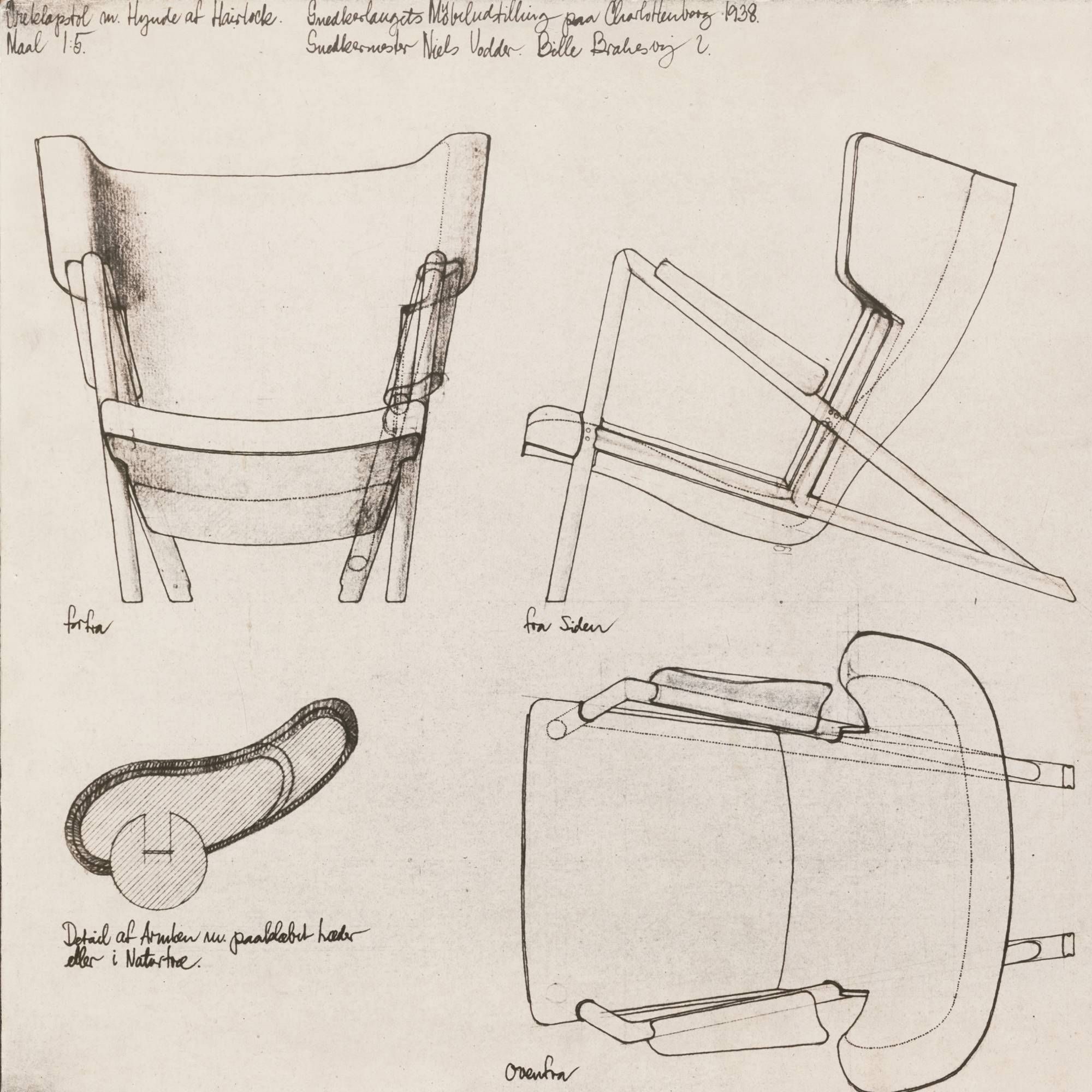
Finn Juhl trained as an architect in Copenhagen and worked for the prominent modernist architect Vilhelm Lauritzen, contributing to major projects such as the Danish Broadcasting House (Radiohuset). He soon turned toward interiors and furniture, collaborating closely with cabinetmaker Niels Vodder and exhibiting at the Copenhagen Cabinetmakers’ Guild shows from 1937 onward. These exhibitions positioned him among the key figures who were breaking from heavy, historicist styles toward lighter, modern forms that became known as Danish design.
Key Works and Projects
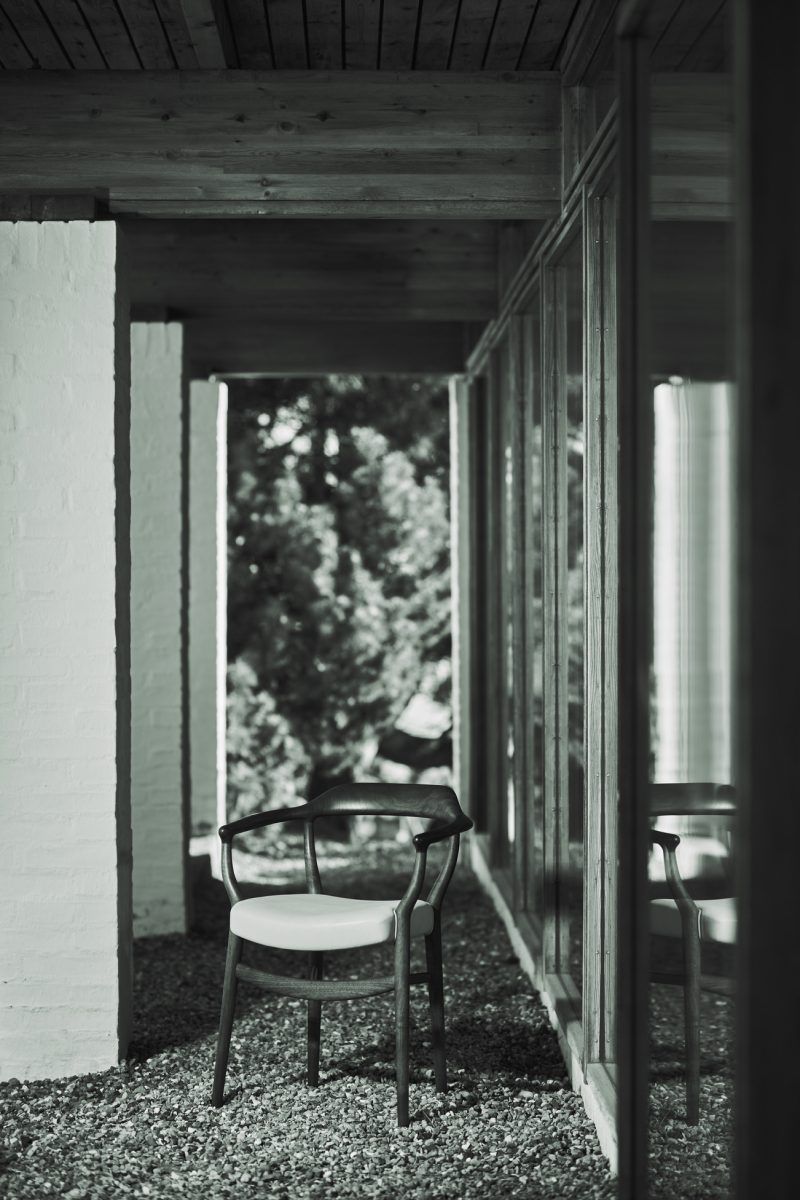
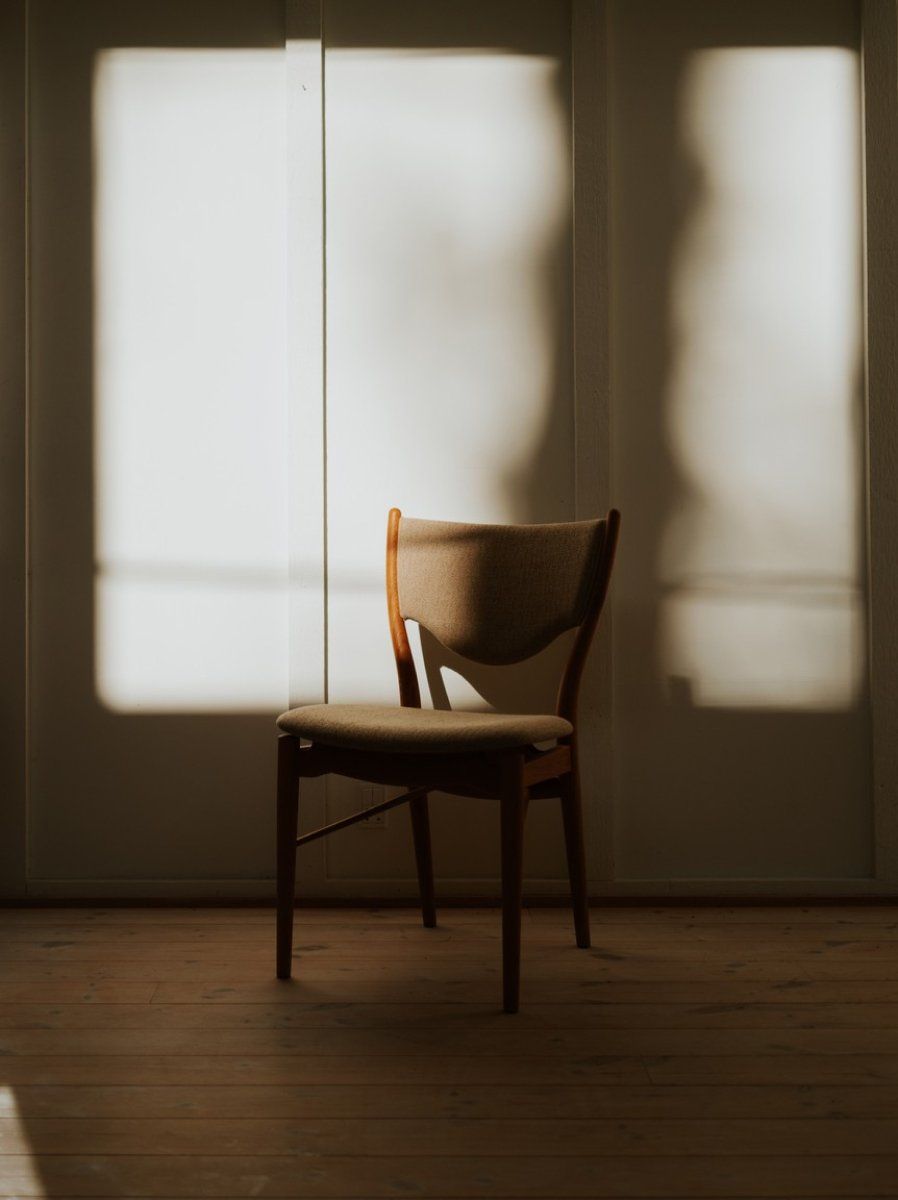
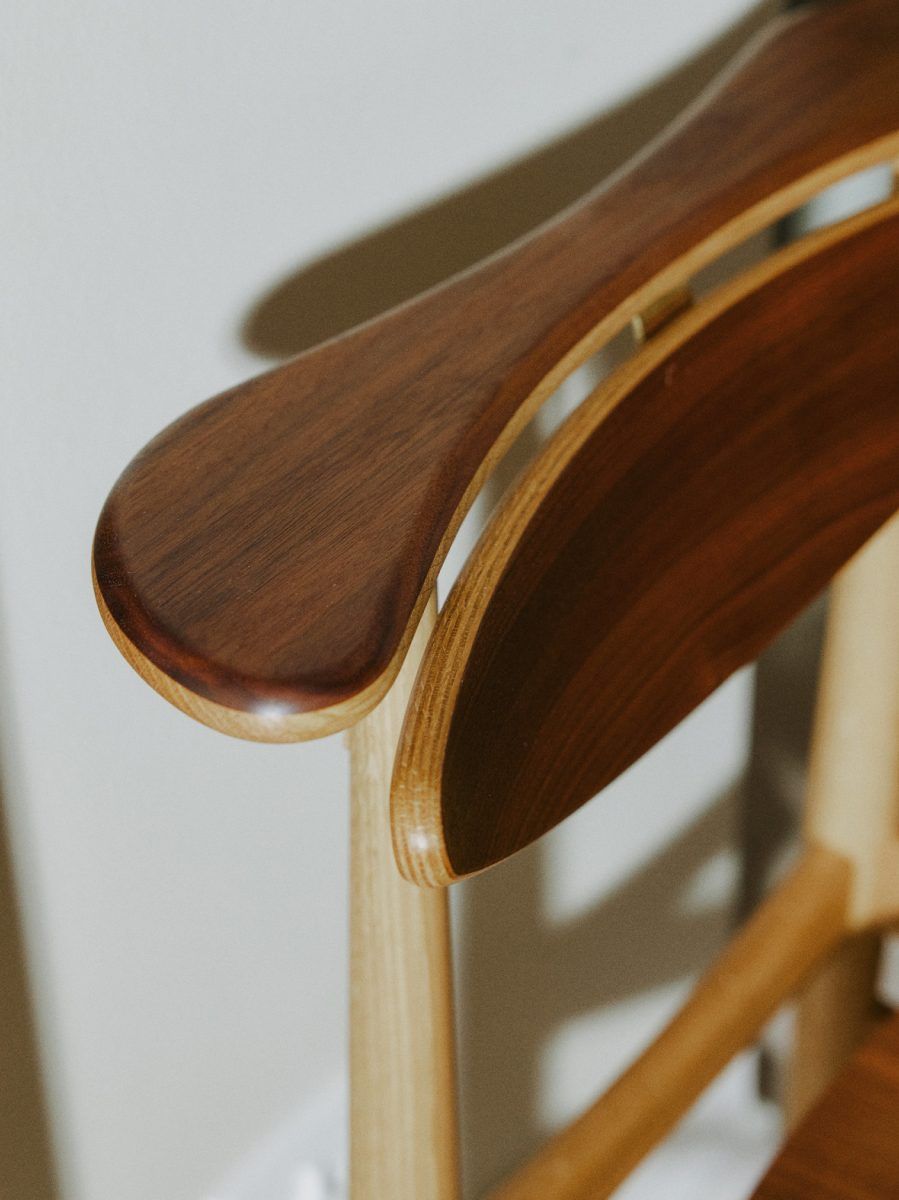
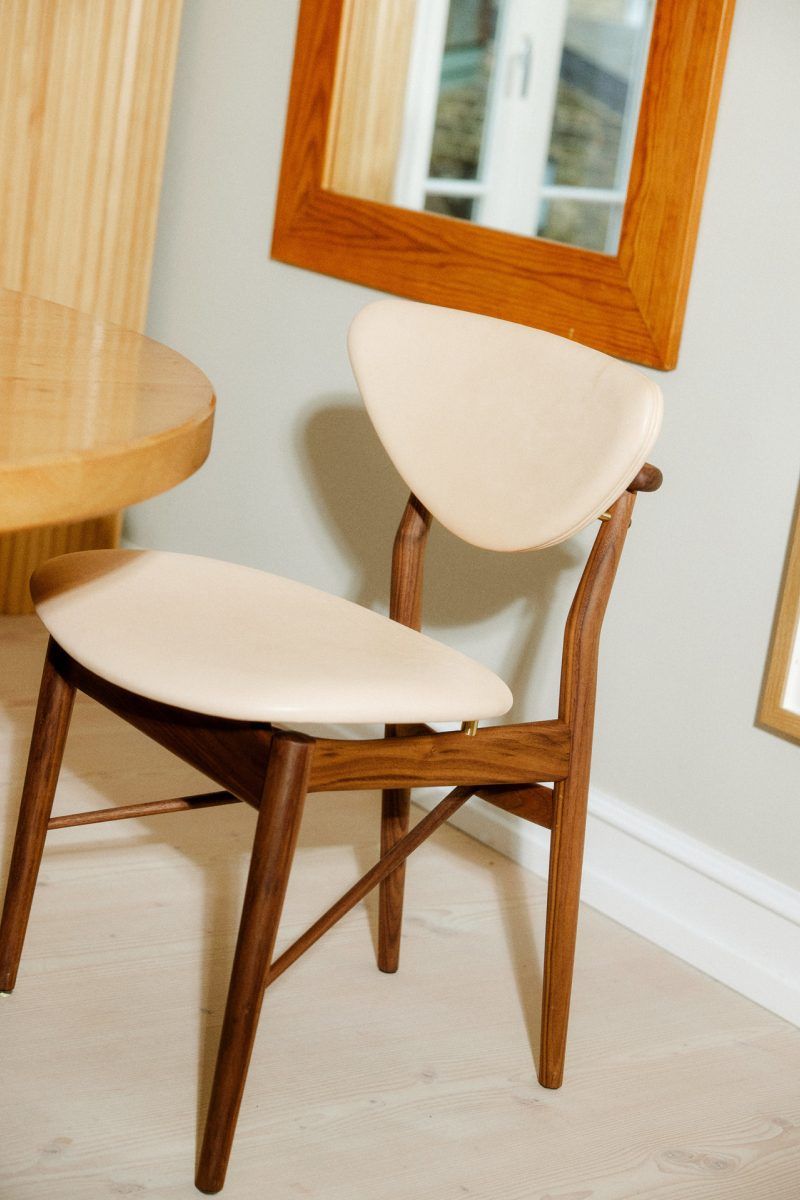
45 Chair (1945), often cited as a watershed in furniture design for its floating seat and organic frame.
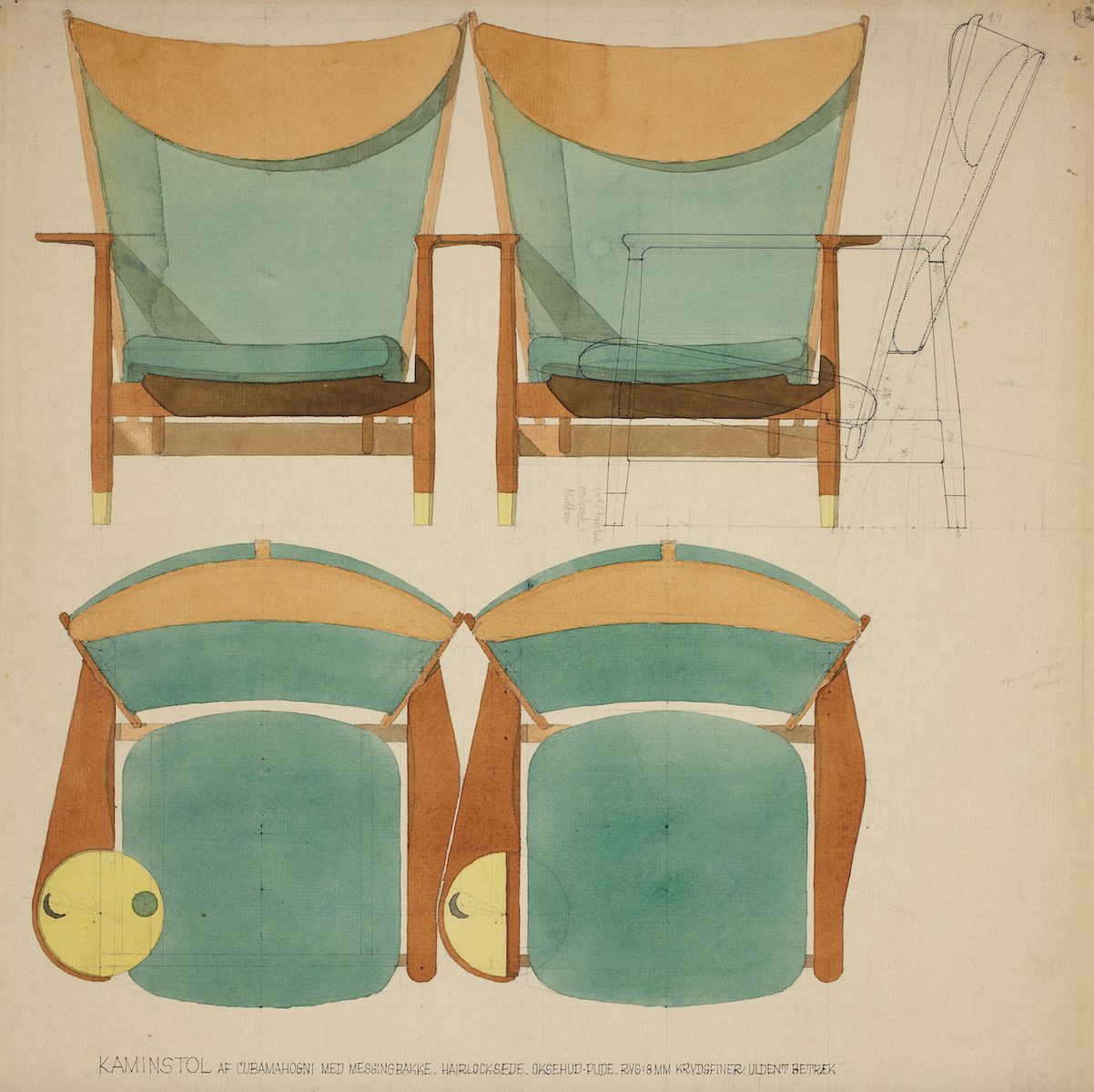
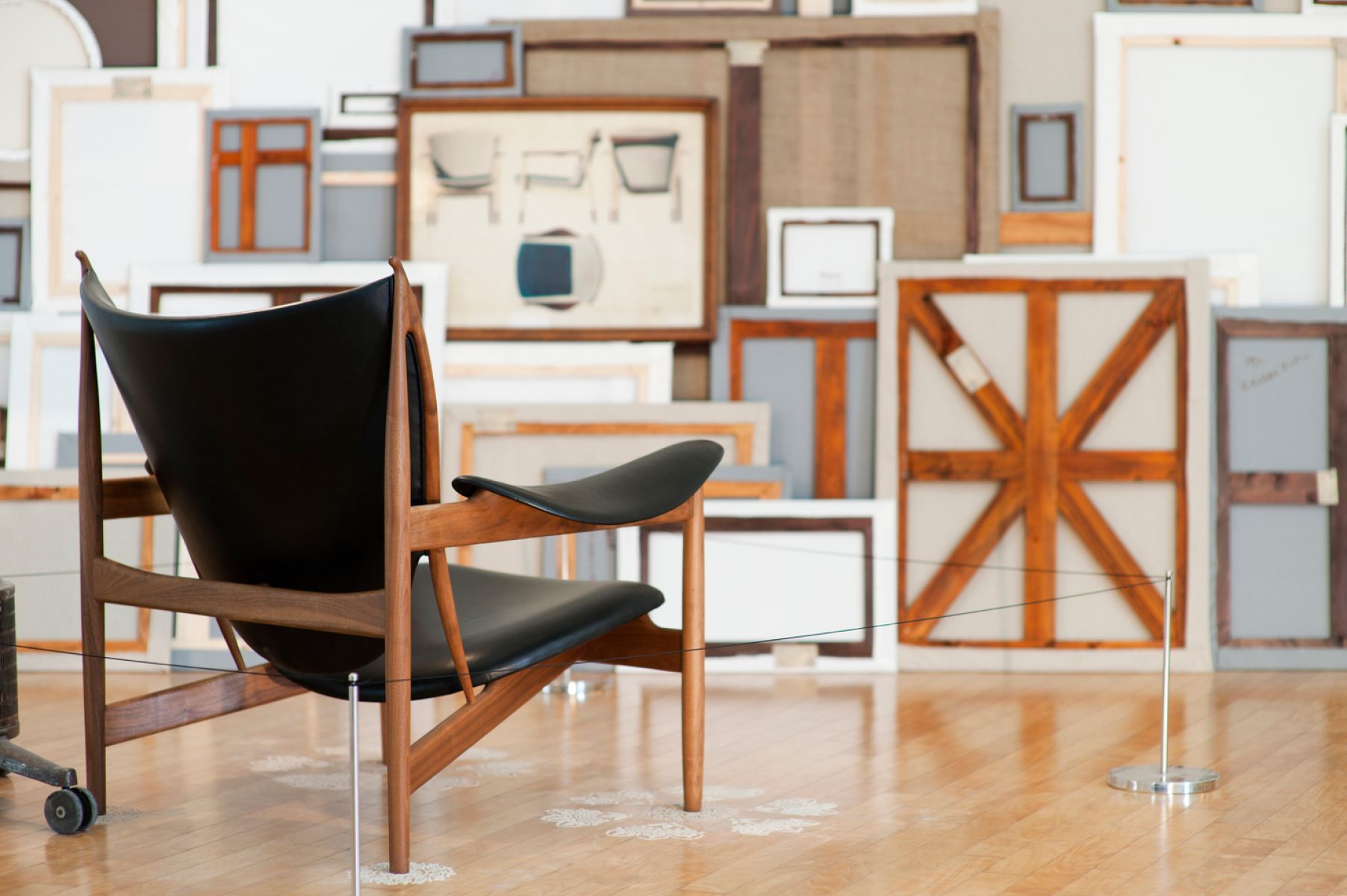
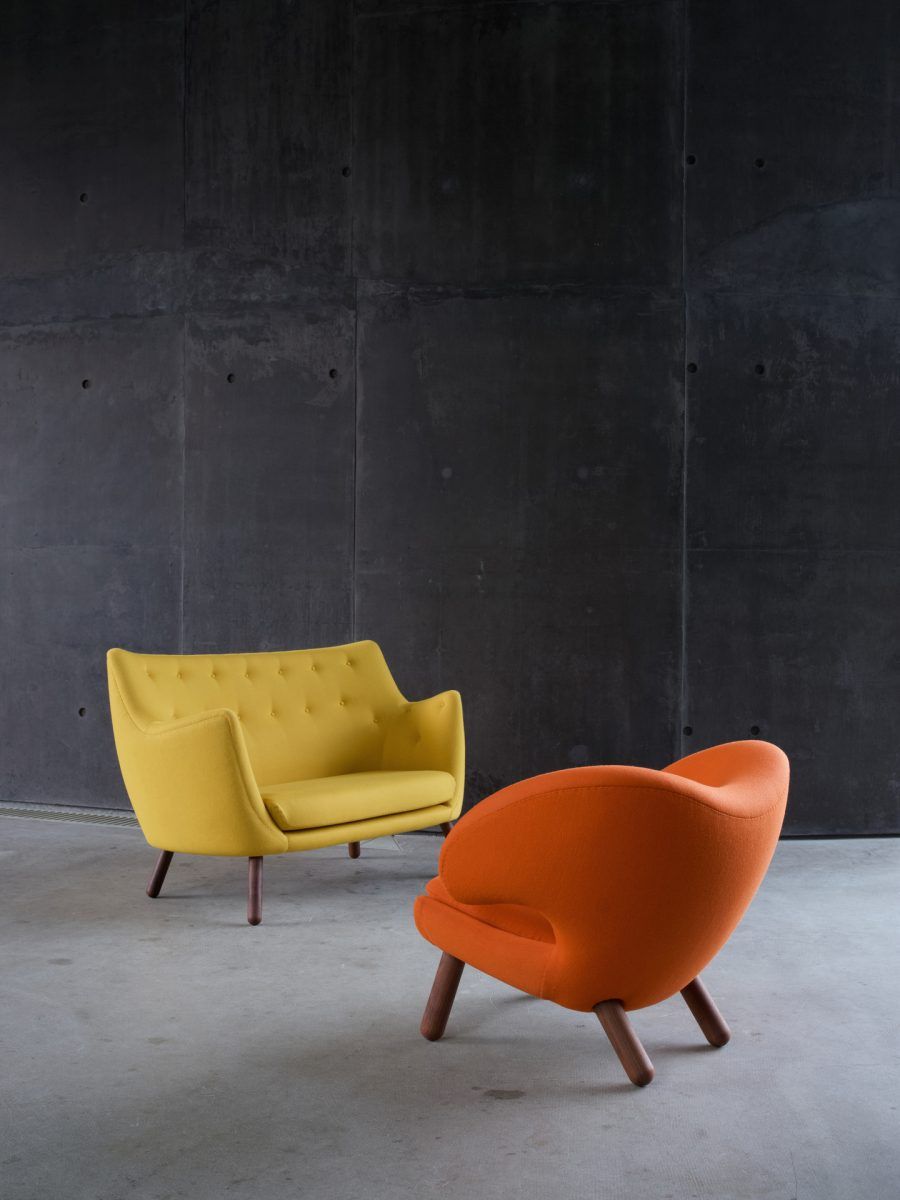
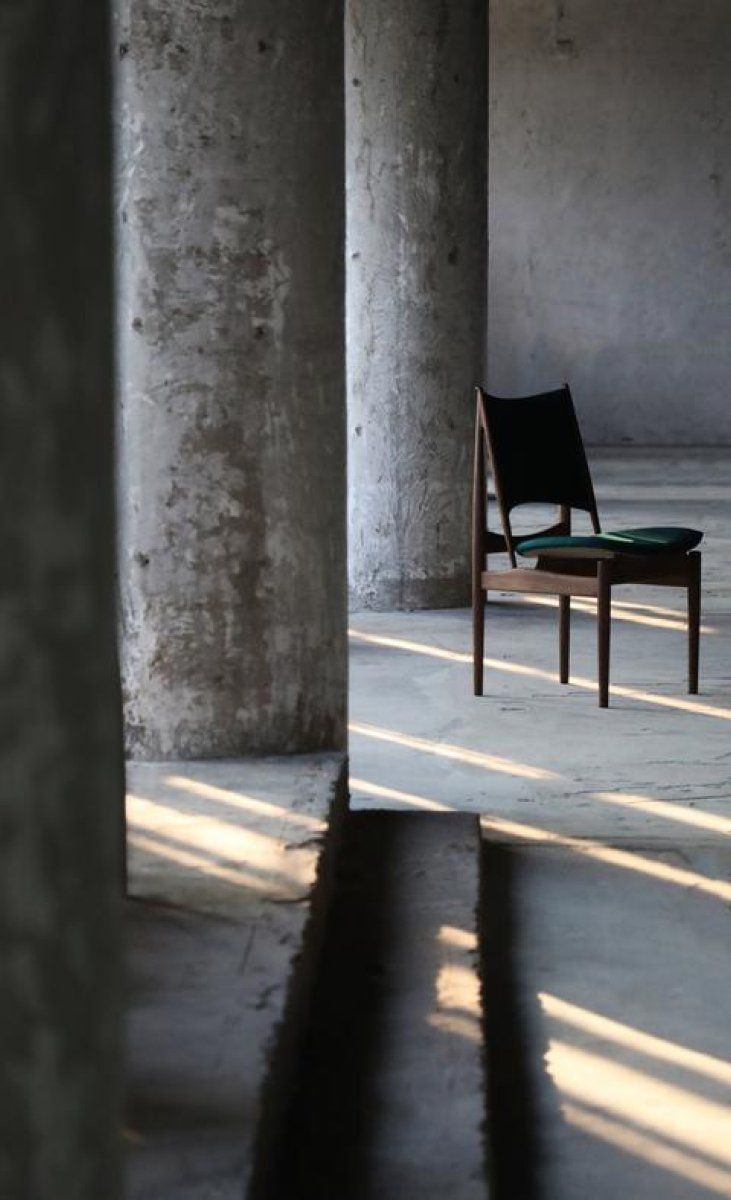
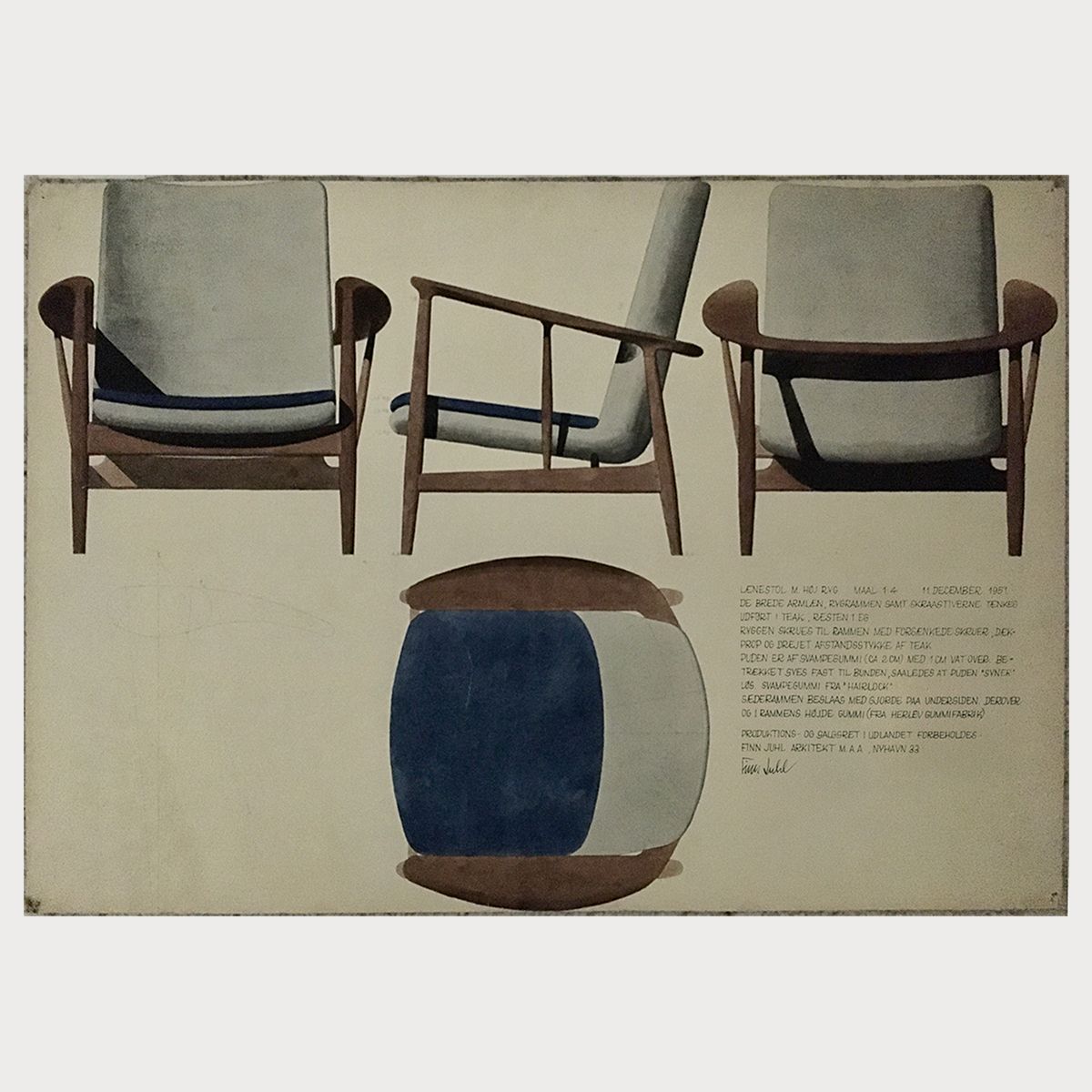
Pelican Chair (1940) and Chieftain Chair (1949), highly sculptural lounge chairs that pushed the idea of furniture as expressive form.
Baker Sofa and other works for Baker Furniture in the United States, which brought his aesthetic into industrial production.
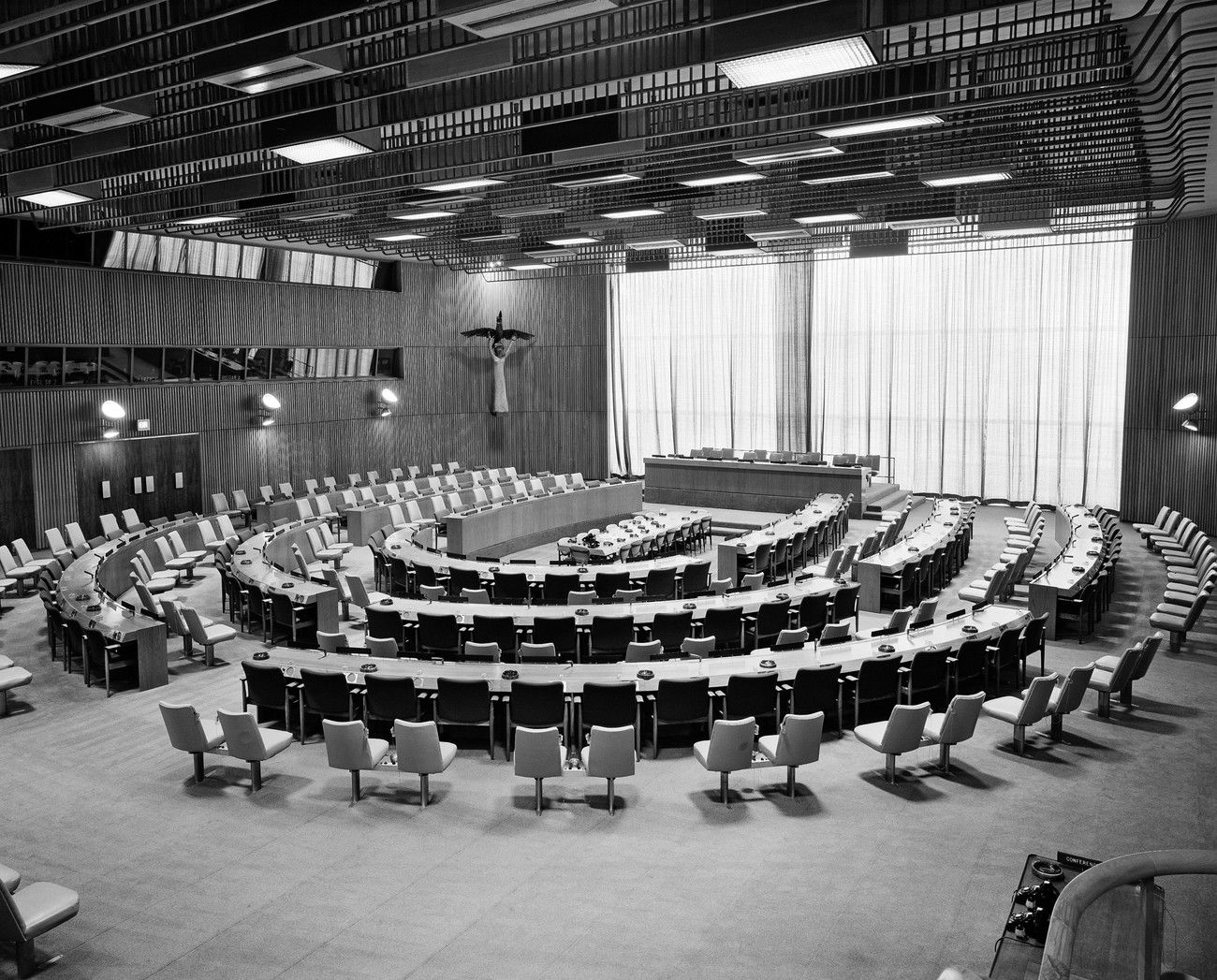
Interior of the United Nations Trusteeship Council Chamber in New York (1952), which showcased his total design vision at an international institution.
These works, especially his UN chamber and American collaborations, were crucial in introducing Danish Modern to a global audience.
Image credit: Pernille Klemp, Designmuseum Danmark
Shaping Danish Modern
Juhl is widely recognized as one of the leading figures in the creation of Danish design in the 1940s, alongside contemporaries like Hans Wegner and Arne Jacobsen. Where others often emphasized structural clarity and craft within fairly restrained forms, Juhl pushed toward more expressive, sculptural silhouettes, broadening what “Danish Modern” could look like.
His success at events like the Milan Triennale in the 1950s, where he won multiple gold medals, cemented Denmark’s reputation for innovative, high‑quality furniture.
From Furniture to Spatial Sculpture
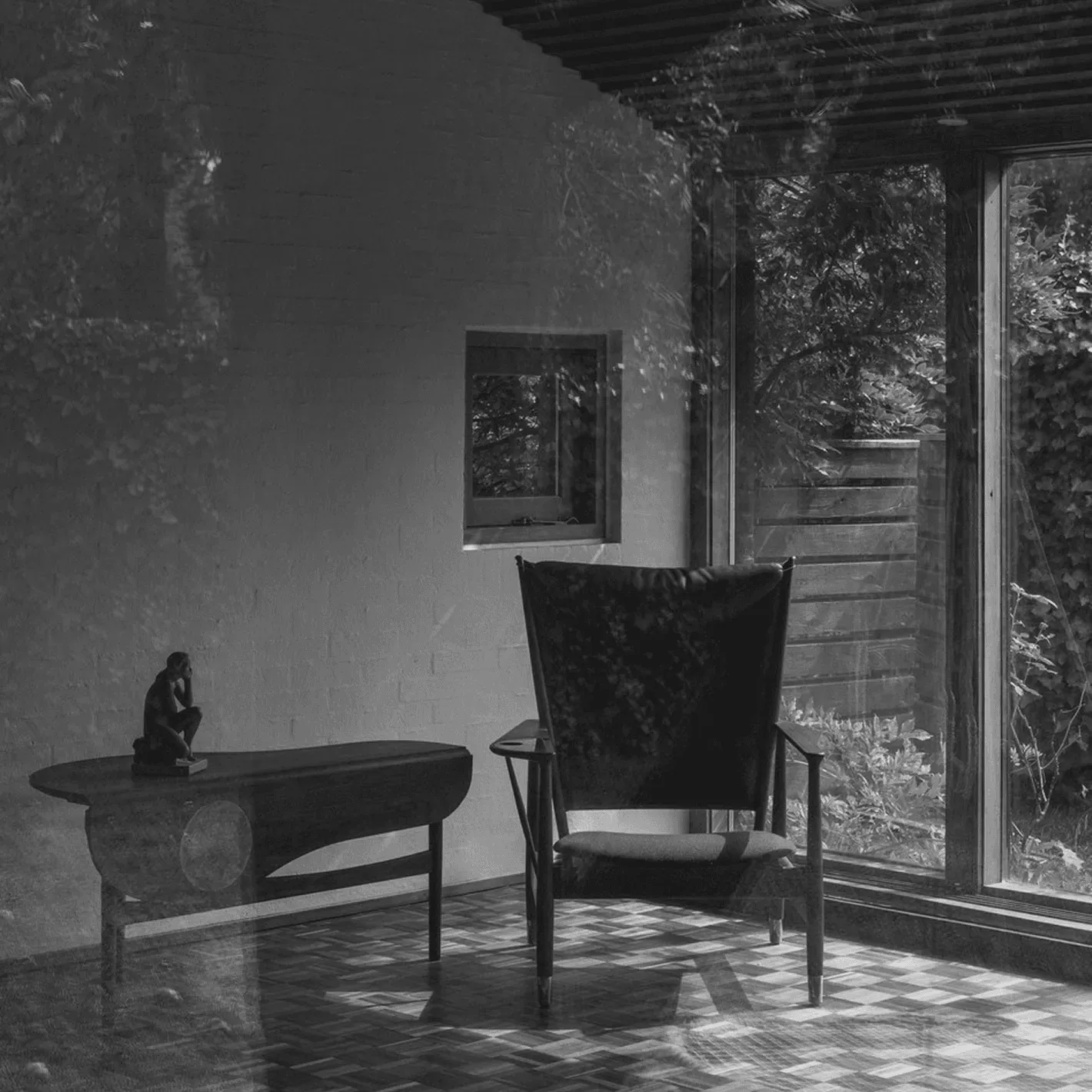
Design historians often credit him with transforming furniture from simple functional objects into “spatial sculpture”, objects that define and animate the space around them.
The visual separation of frame and seat created lightness and tension, emphasizing the relationship between object, body, and room. This concept has influenced later designers who see furniture as part of the architecture of a room rather than as isolated pieces.
Internationalization and Legacy
Juhl played a pivotal role in bringing Danish Modern to the American market, both through exhibitions and licensing of his designs for production by companies like Baker Furniture and General Electric (for whom he also designed appliances).
His UN chamber interior and international awards made Danish furniture a symbol of sophisticated, democratic modern living in the postwar period. After a period of relative obscurity, his work experienced a strong revival from the late 20th century onward, with reissues and renewed scholarship emphasizing his importance as a “maverick” of Danish design.
How His Influence Shows Up Today
Contemporary furniture and interior design still reflect Juhl’s ideas: flowing, organic seating forms; visible separation of structural and soft elements; and an emphasis on emotional, psychological comfort as much as physical ergonomics.
Many current “sculptural” lounge chairs and sofas, especially in Nordic and high‑end contemporary brands, echo his strategy of making seating appear to float within a slender wooden or metal frame.
In museums, galleries, and high‑end interiors, Juhl’s original pieces now function as both usable objects and collectible design art, underscoring how fully he blurred the line between furniture and sculpture.
Featured products
Monday to Friday 10:00 – 18:00
Eden House, Al Satwa
Jumeirah Garden City - 41st St - Al Satwa
Dubai, United Arab Emirates