Sergio Rodrigues
Sergio Rodrigues was a pioneering Brazilian architect and furniture designer whose work helped define modern Brazilian design. Known for his warm, tactile materials and relaxed forms, he shifted modernism away from an international aesthetic toward one deeply connected to Brazilian culture and everyday life.
Rodrigues studied architecture in Rio de Janeiro, graduating from the National Faculty of Architecture in the early 1950s, just as Brazilian modernism was gaining global attention. Although he began his career in architecture and interiors, he quickly turned to furniture as a way of expressing a distinctly Brazilian modern identity.
In 1955, he founded Oca, a furniture and interior design studio that became a cornerstone of modern Brazilian design. Through Oca, Rodrigues created pieces for homes, hotels, public buildings, and diplomatic spaces, embedding his design language into the fabric of contemporary Brazilian living. His work remains celebrated for its craftsmanship, cultural authenticity, and lasting influence on modern design.
Key Works and Projects
Several pieces are central to his impact:
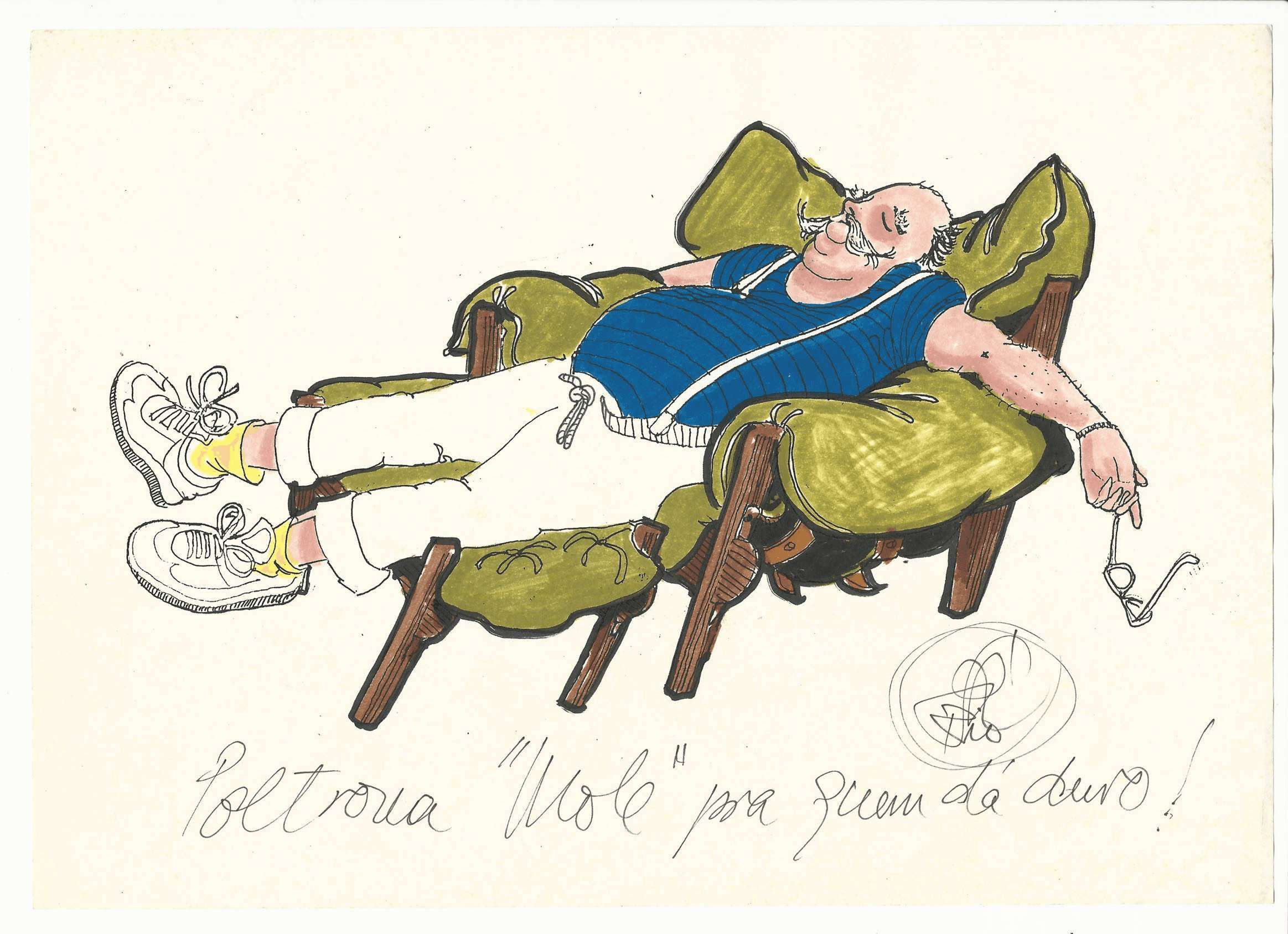
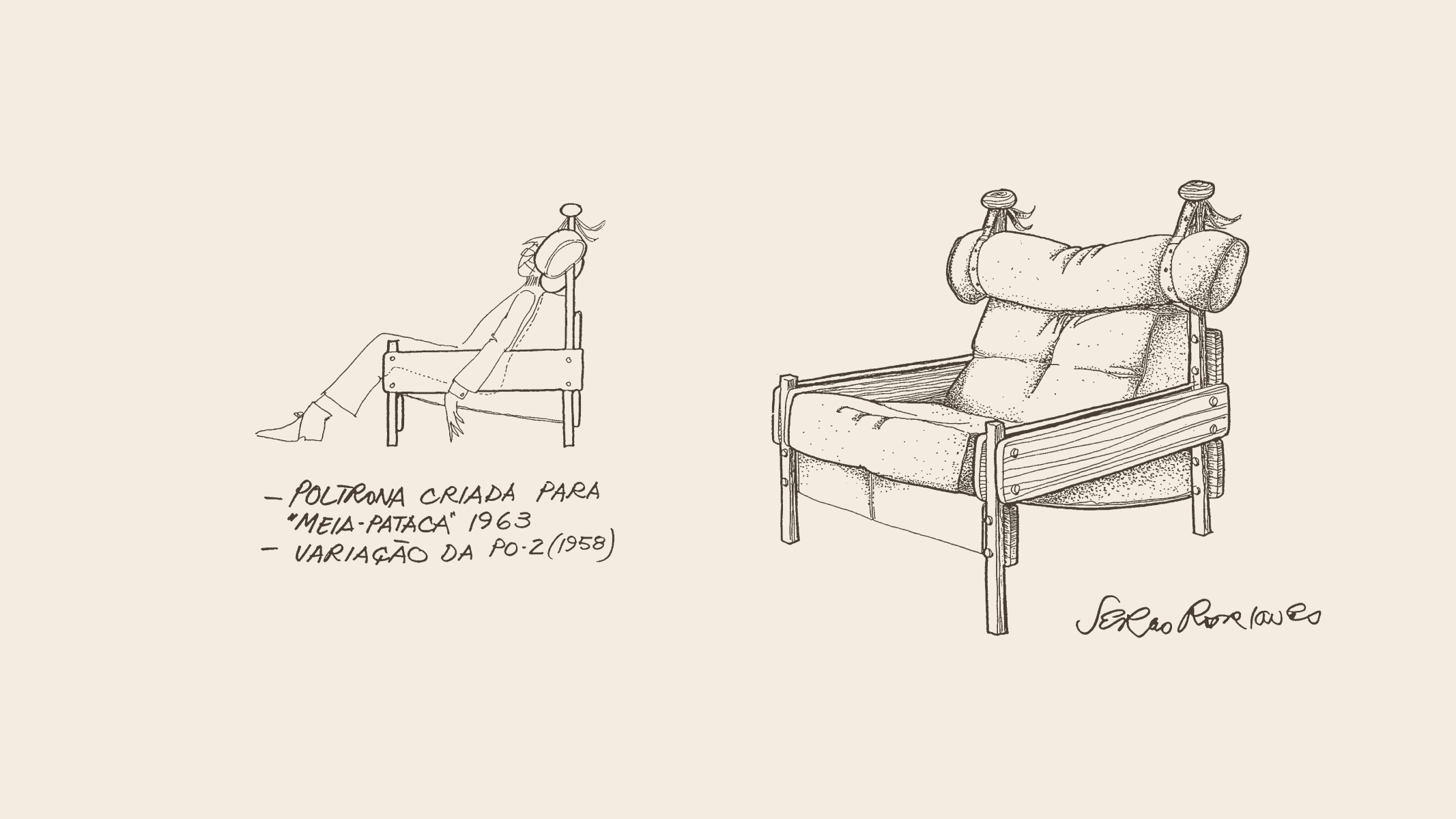
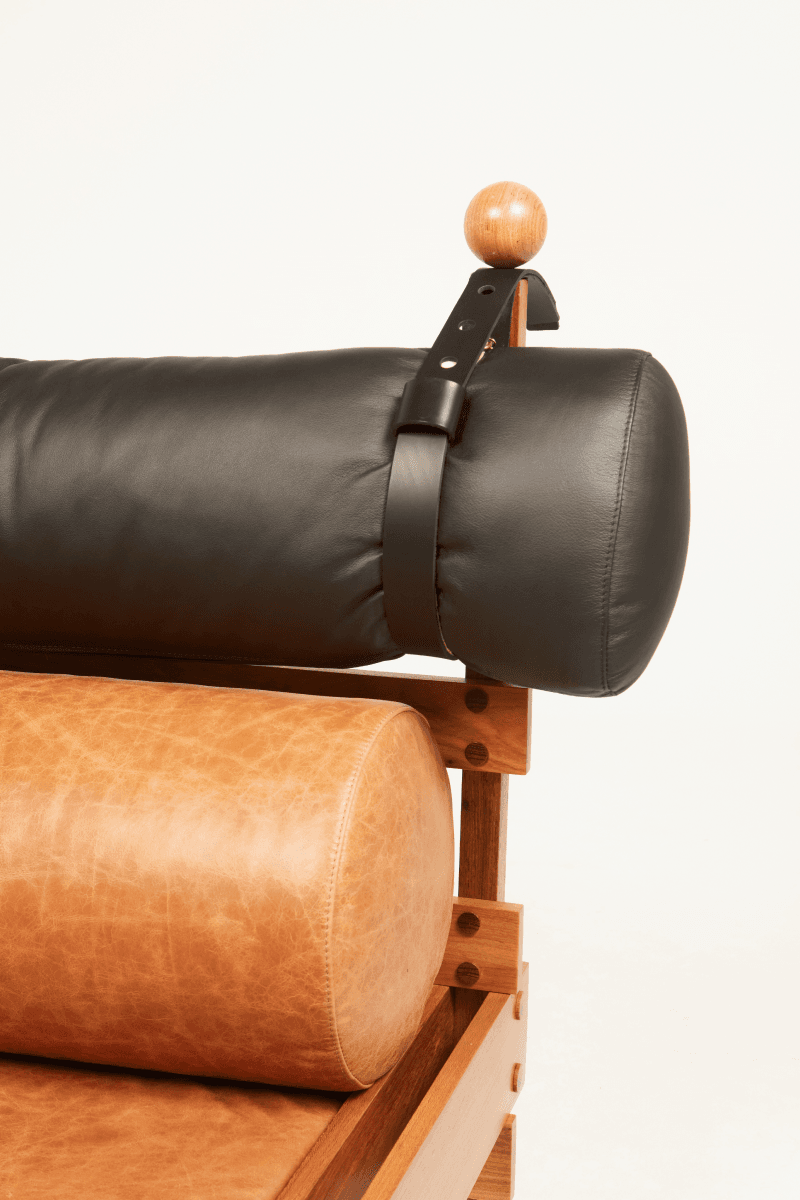
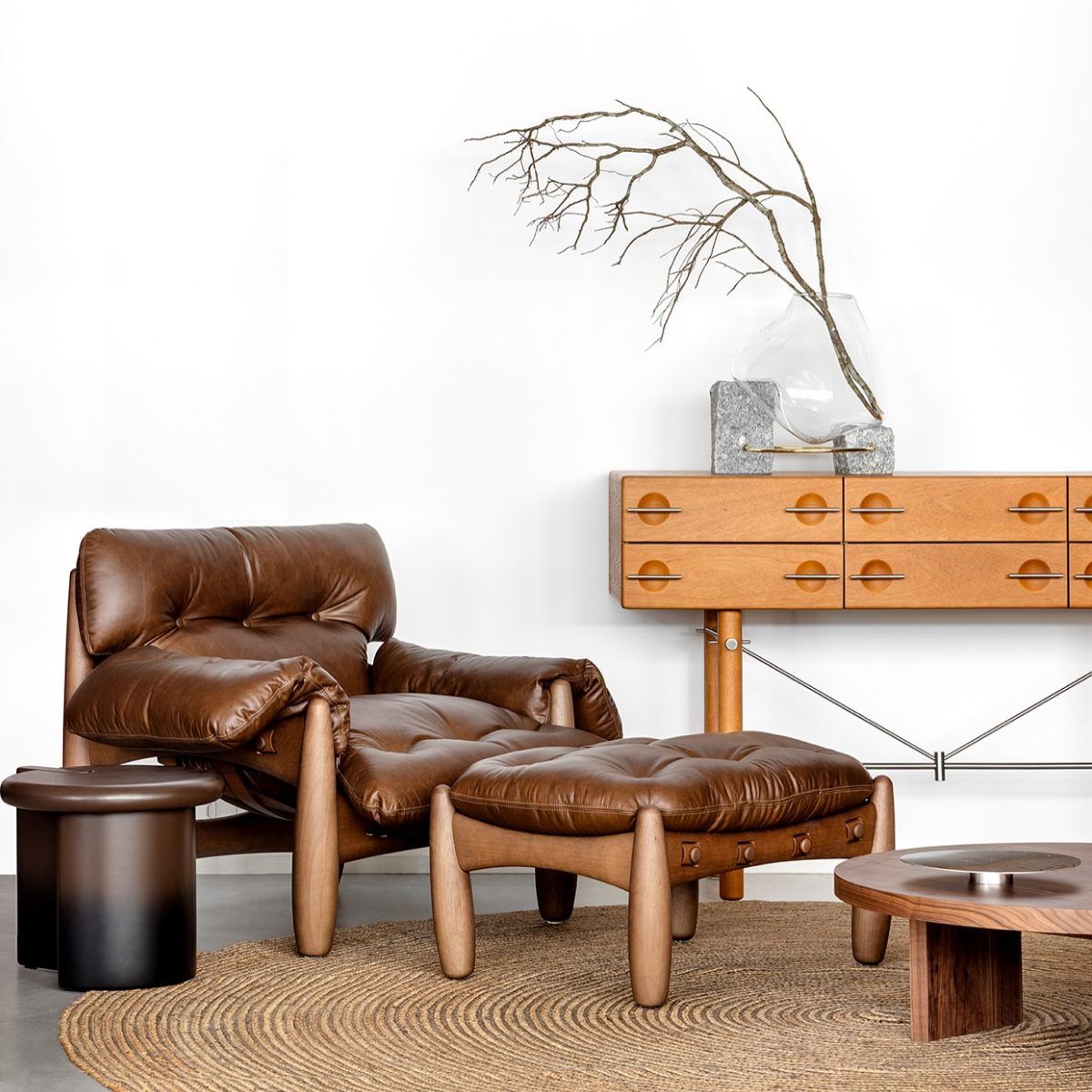
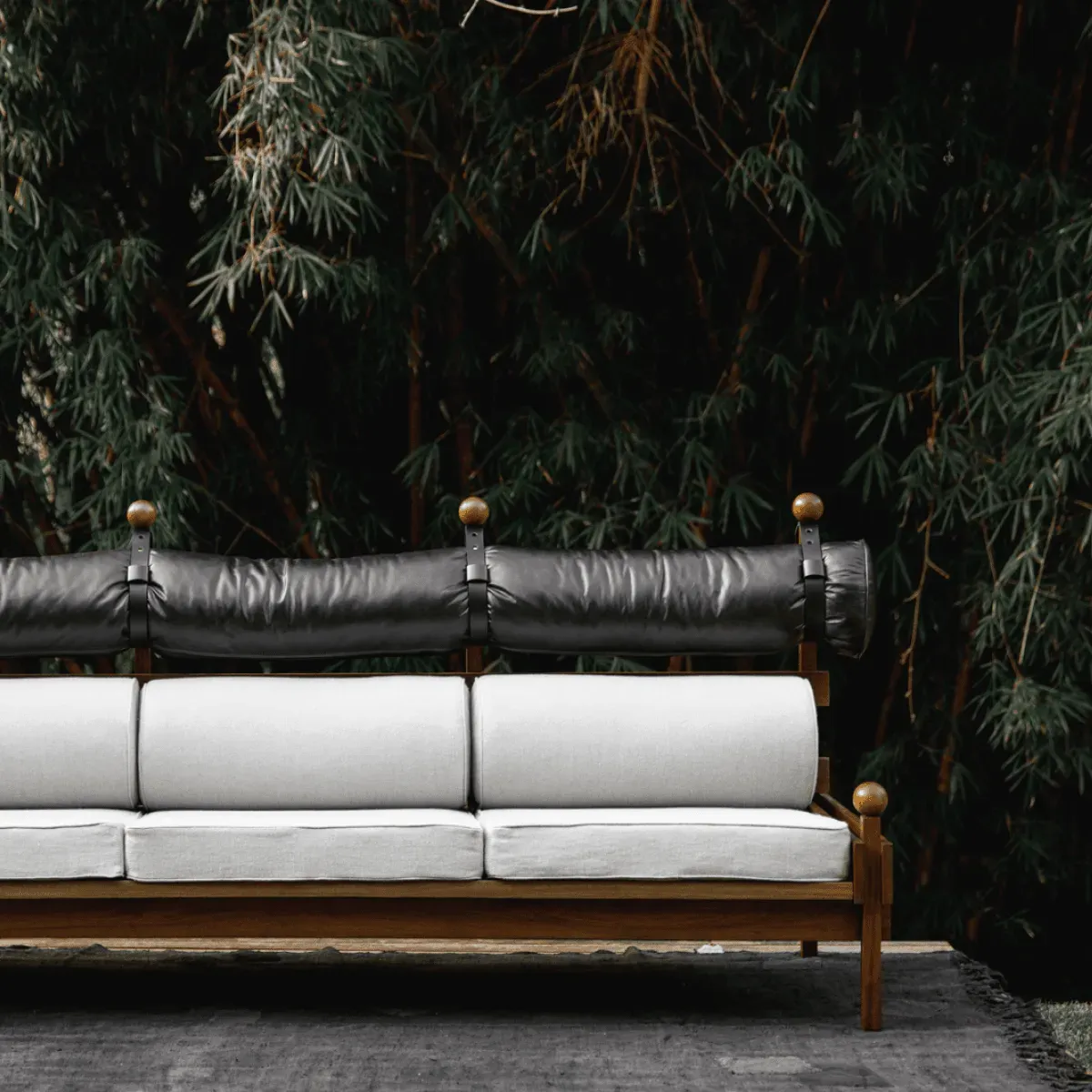
Mole (Sheriff) armchair (1957), perhaps his most famous design, with a chunky wooden frame, leather straps and oversized leather cushions that sag and envelop the sitter, becoming a manifesto for relaxed Brazilian modern living.
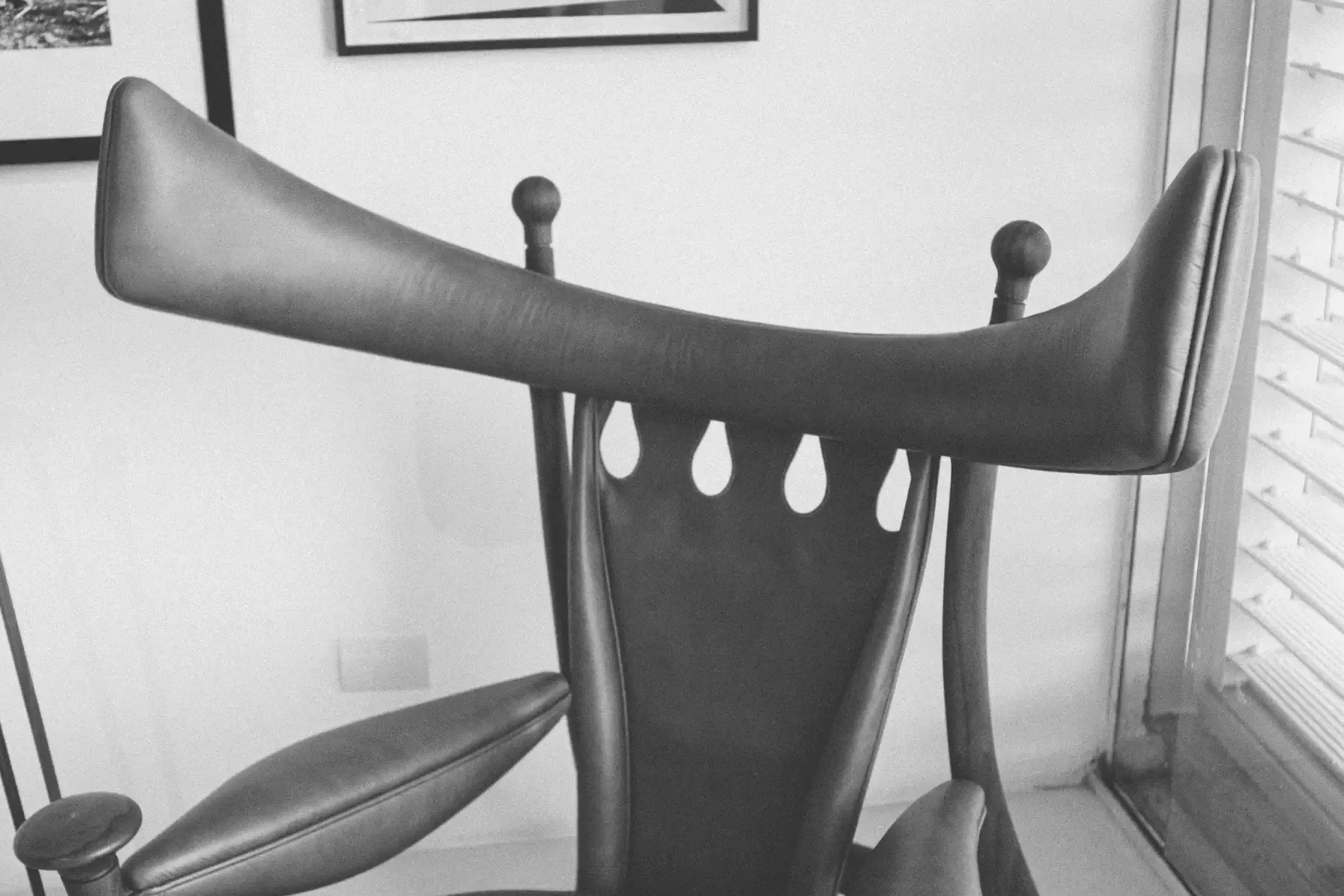
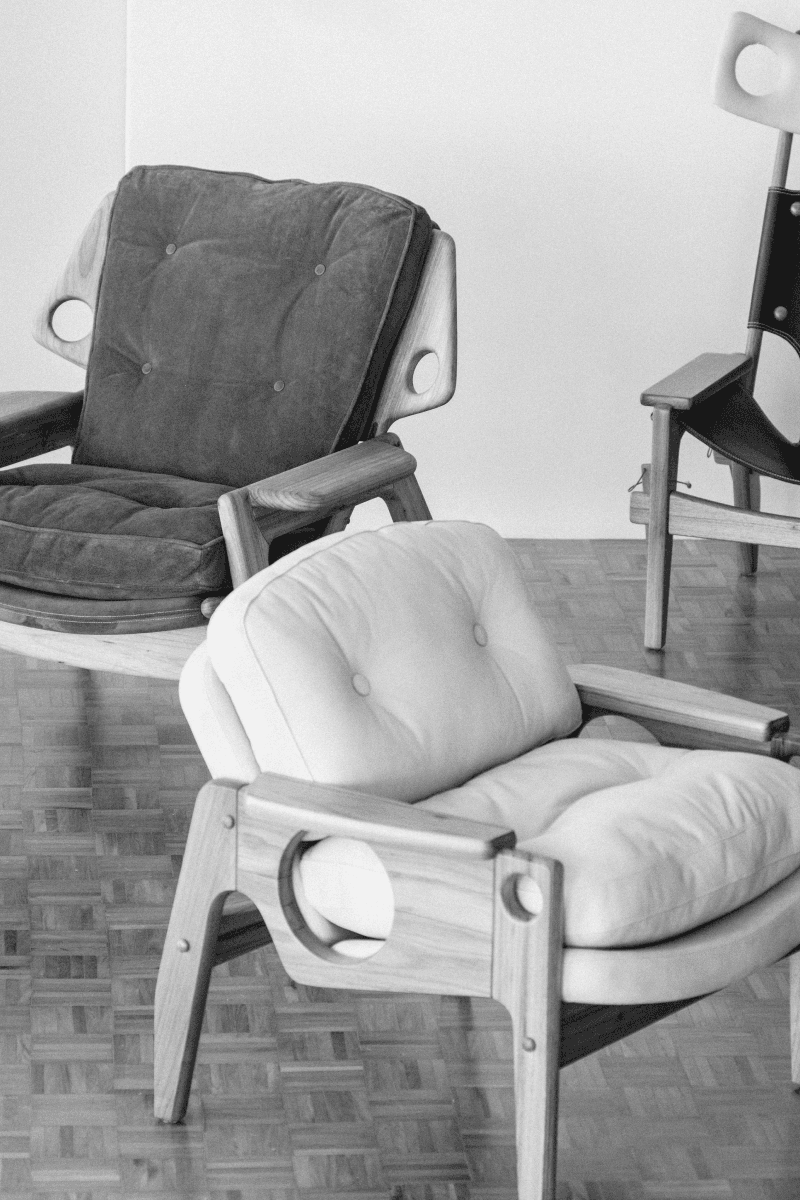
Tonico armchair, with its rounded wooden structure and generously upholstered roll back, reinforcing the theme of softness supported by visible, honest structure.
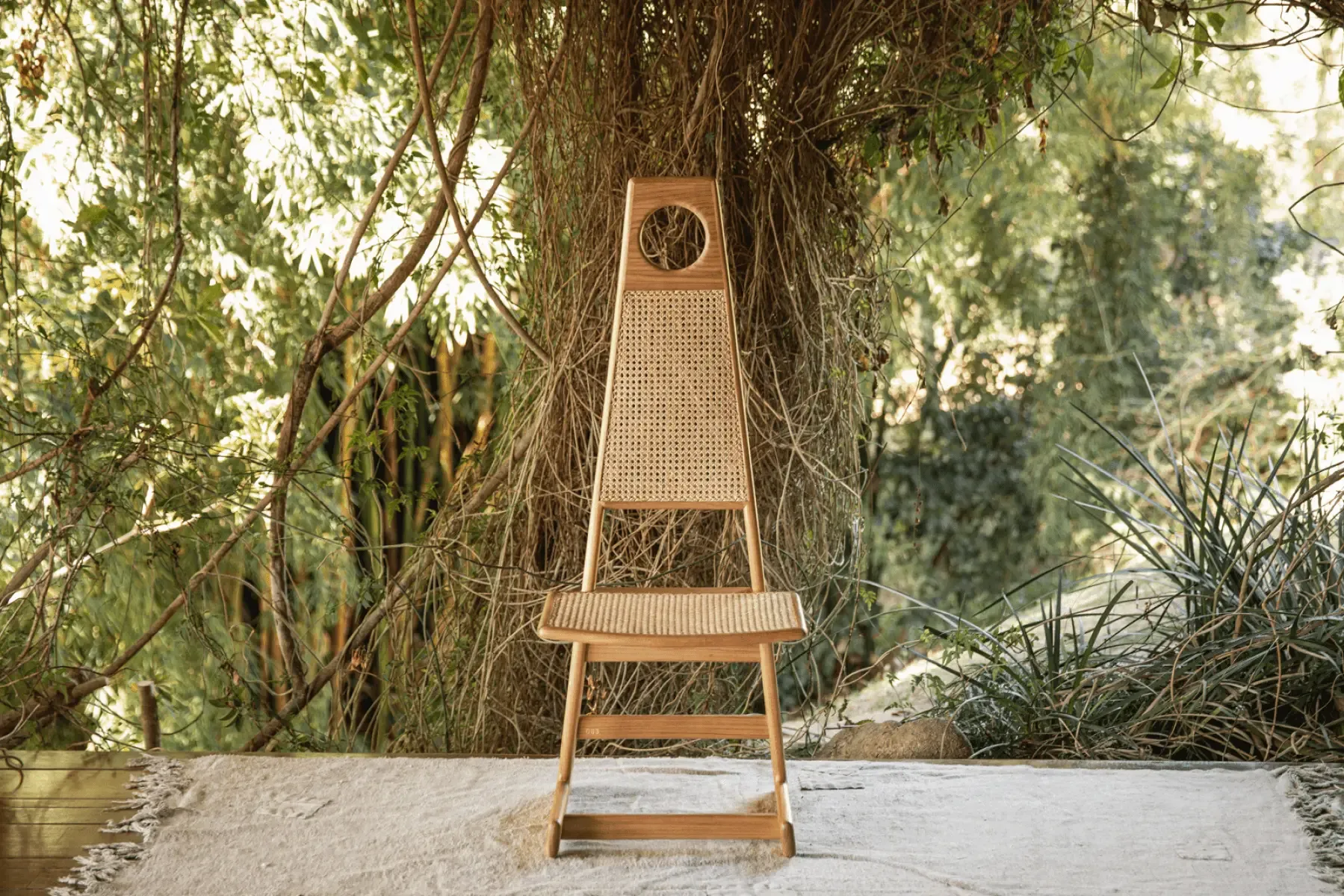
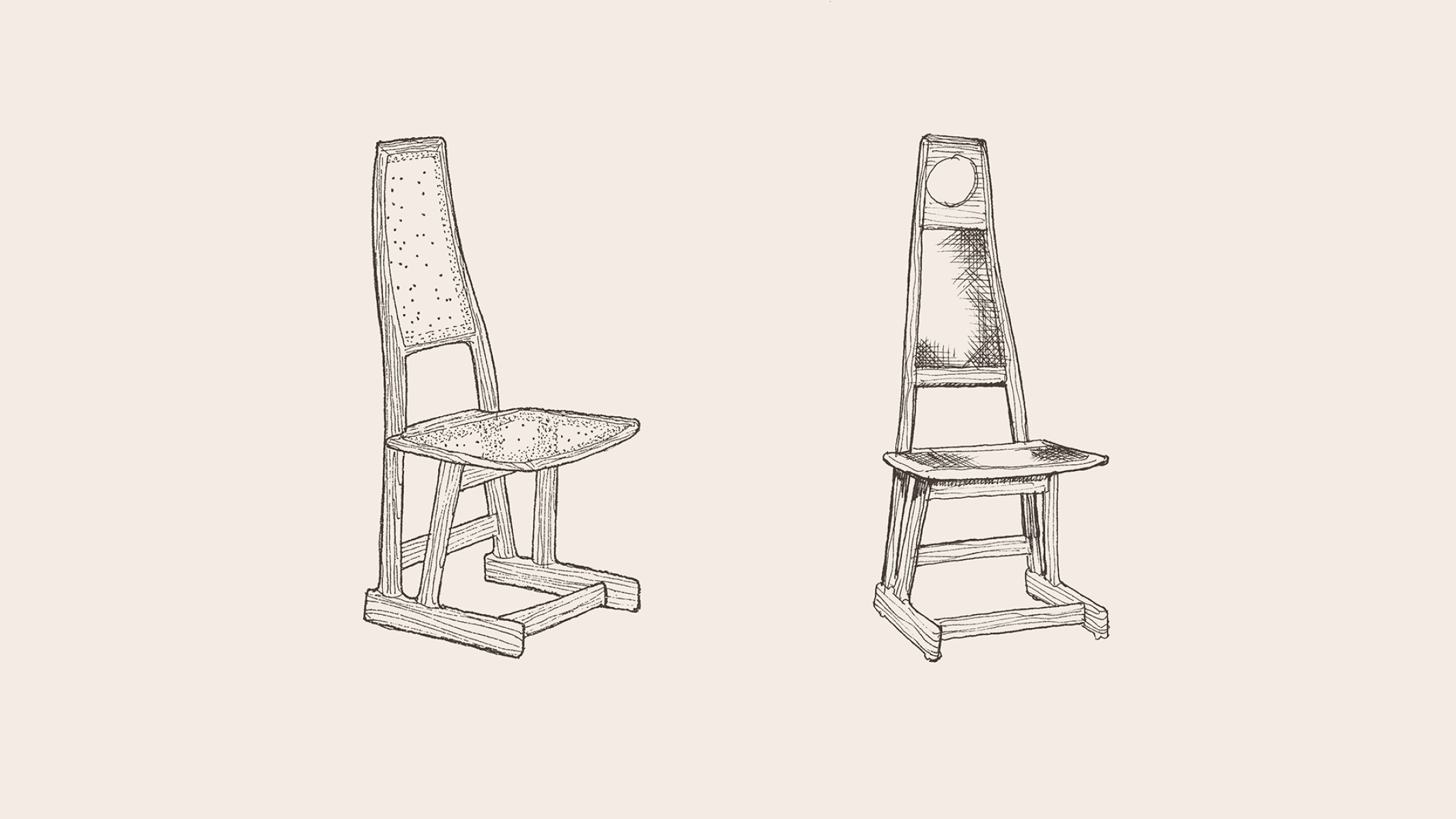
Kilin and Diz chairs, which use sling-like leather or shaped wood elements to create light but expressive silhouettes, balancing structural clarity with a sense of movement.
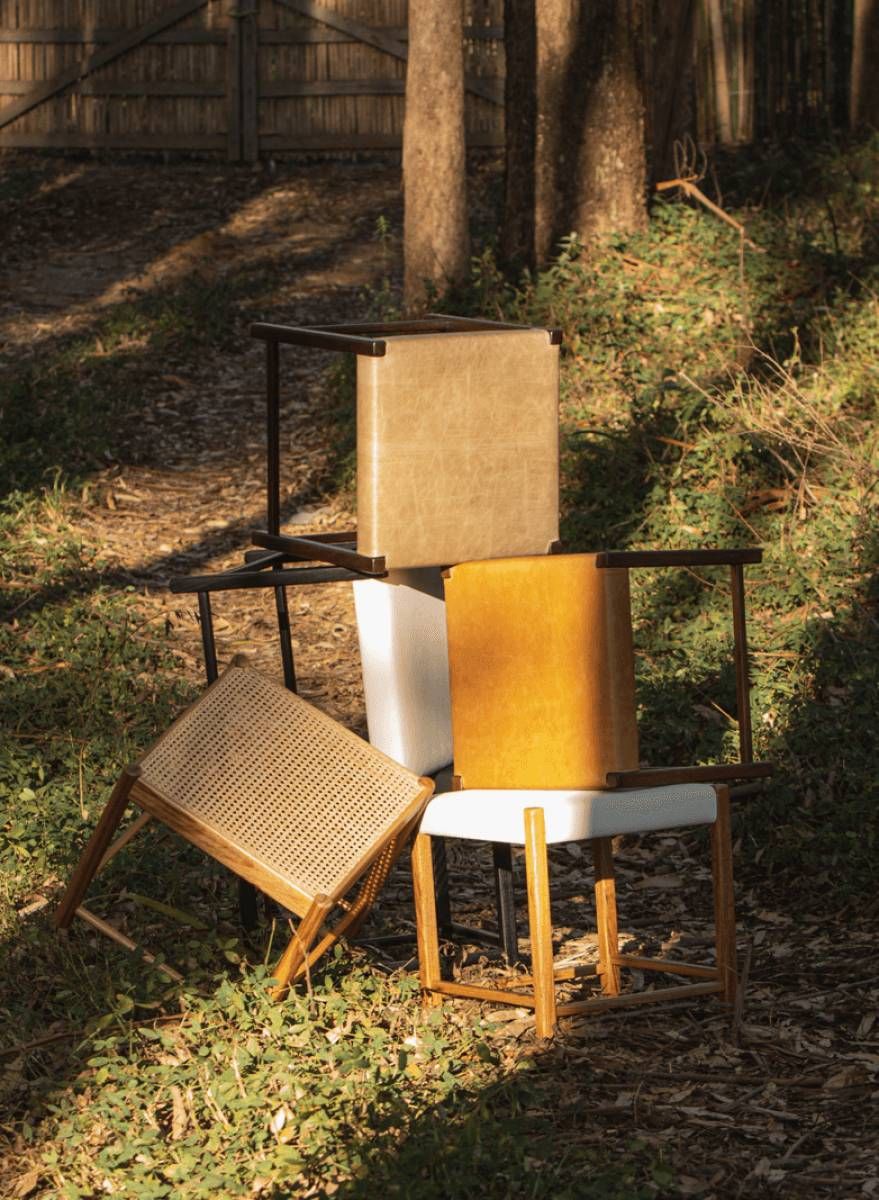
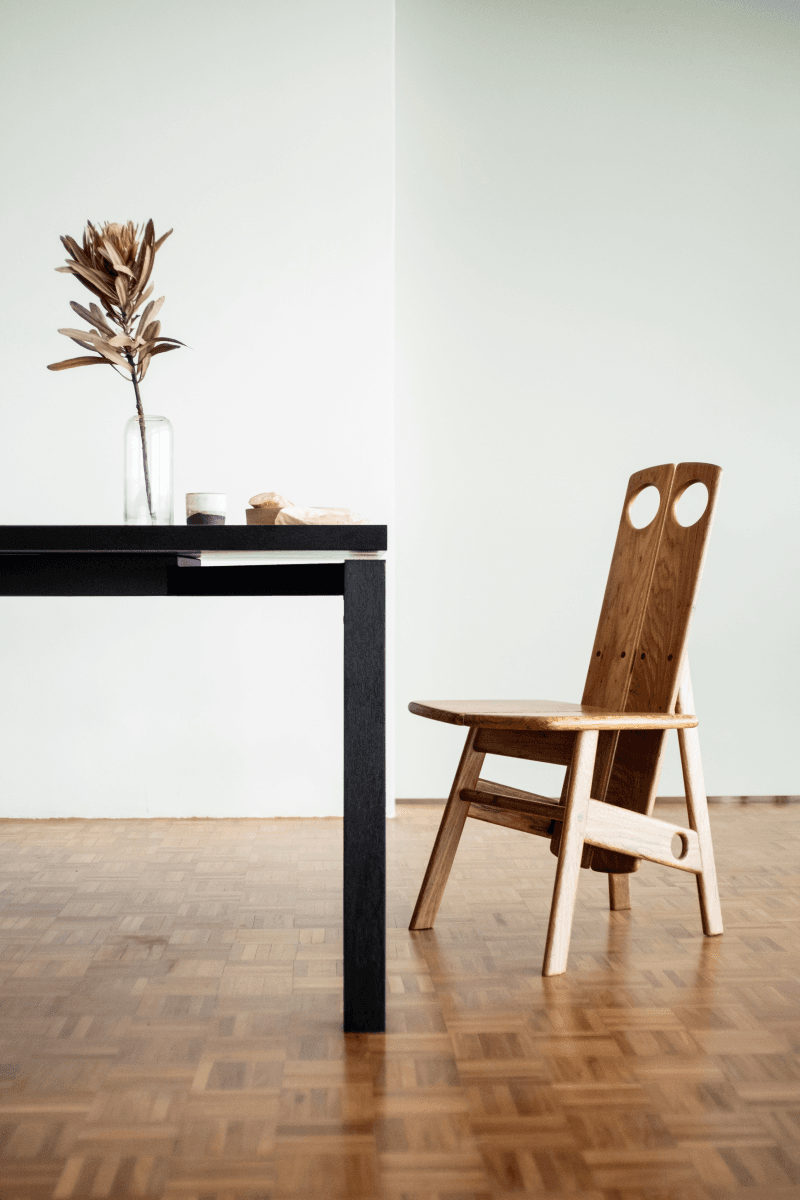
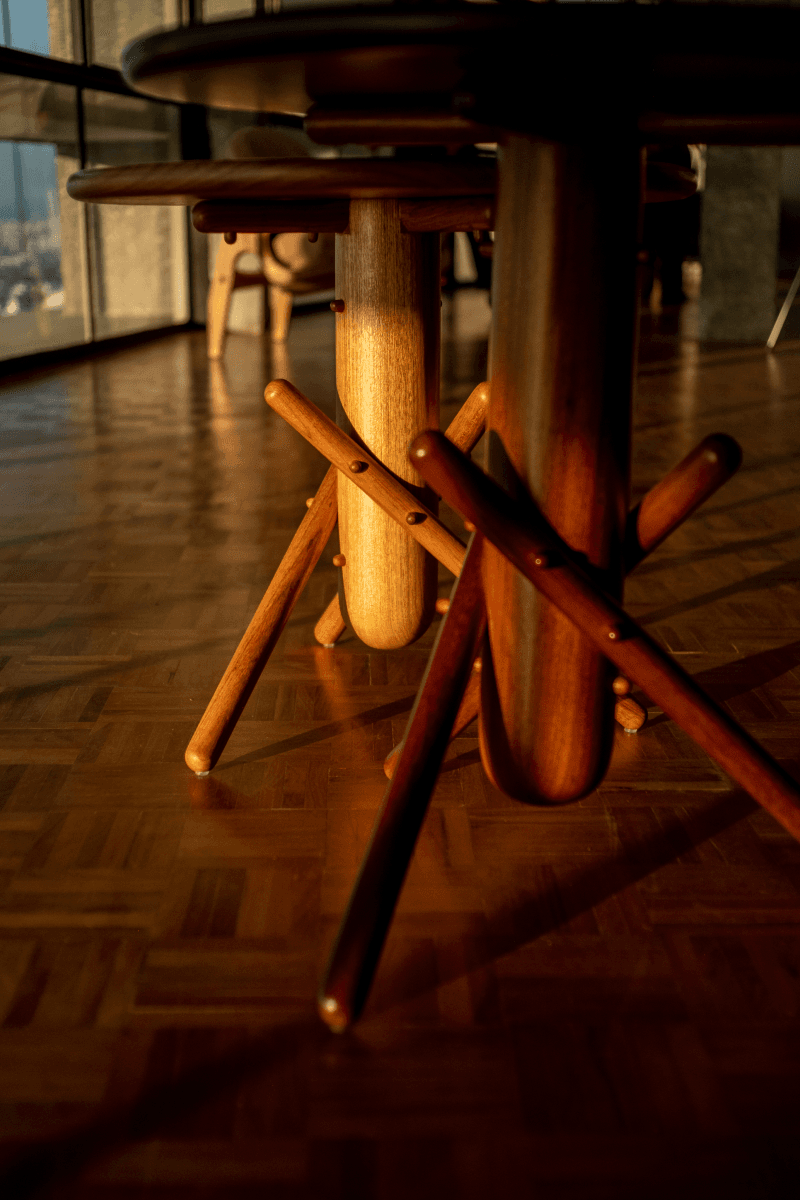
The broader Oca collections, which furnished modern buildings and residences across Brazil, integrated his language of heavy woods, leather and generous proportions into a wide range of typologies (chairs, sofas, benches, bar stools, tables).
These works, particularly the Mole armchair and Oca’s large-scale projects, were crucial in projecting Brazilian modern design domestically and internationally as something distinct from both European and North American modernism.
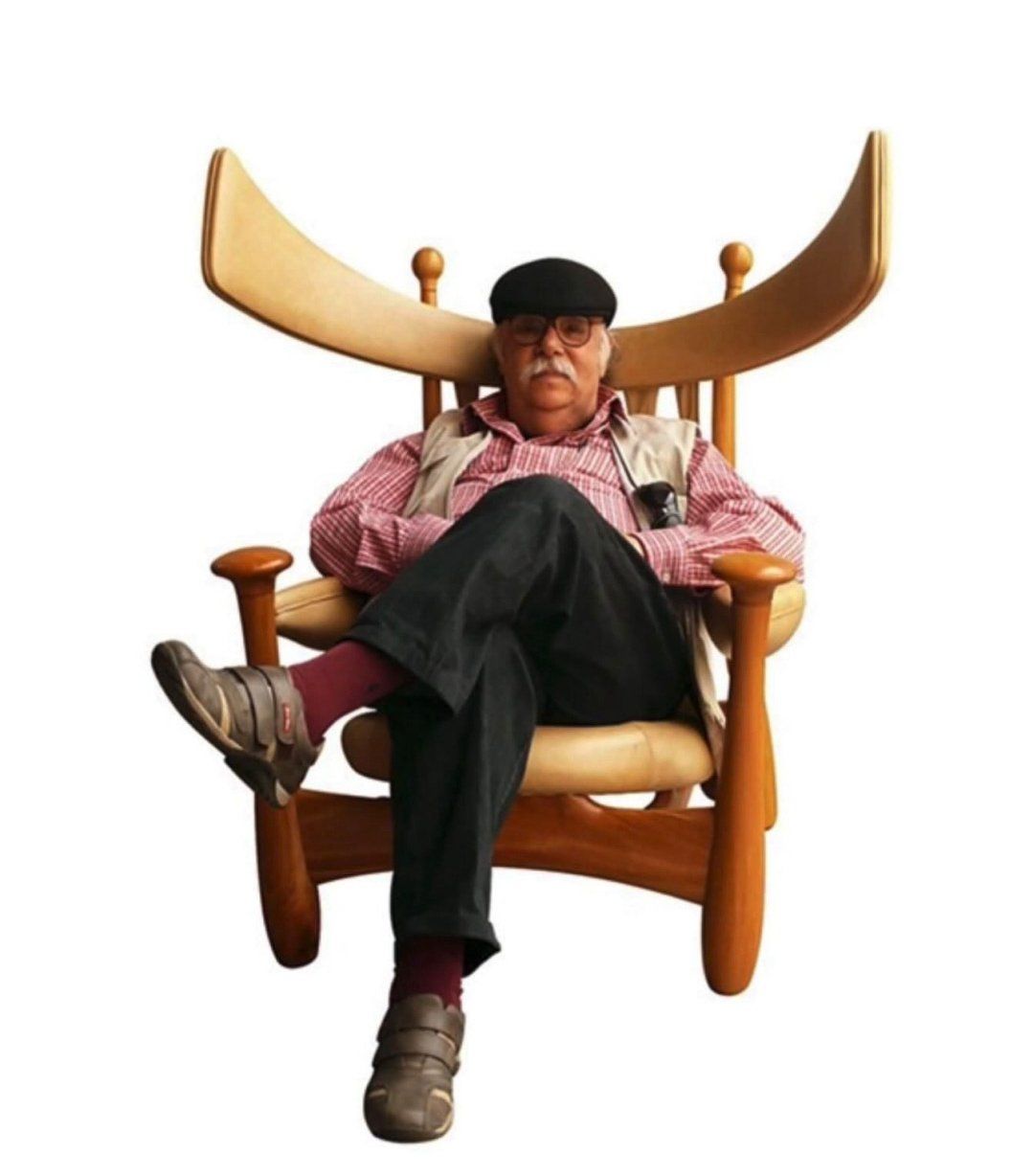
Foundational figure in Brazilian furniture design
Rodrigues often described as the father of Brazilian modern furniture. Working in parallel with great Brazilian architects, he provided interiors that matched the optimism and sensuality of the country’s architecture rather than importing European models.
Where European modernism often prioritized reduction and visual coolness, Rodrigues showed that modern furniture could be robust, tactile and emotionally generous while still being contemporary in construction and logic.
By grounding his work in local materials, climate and social habits (informal gatherings, lounging, a blurred line between indoors and outdoors), Rodrigues contributed in defining what “Brazilian Modern” would look and feel like.
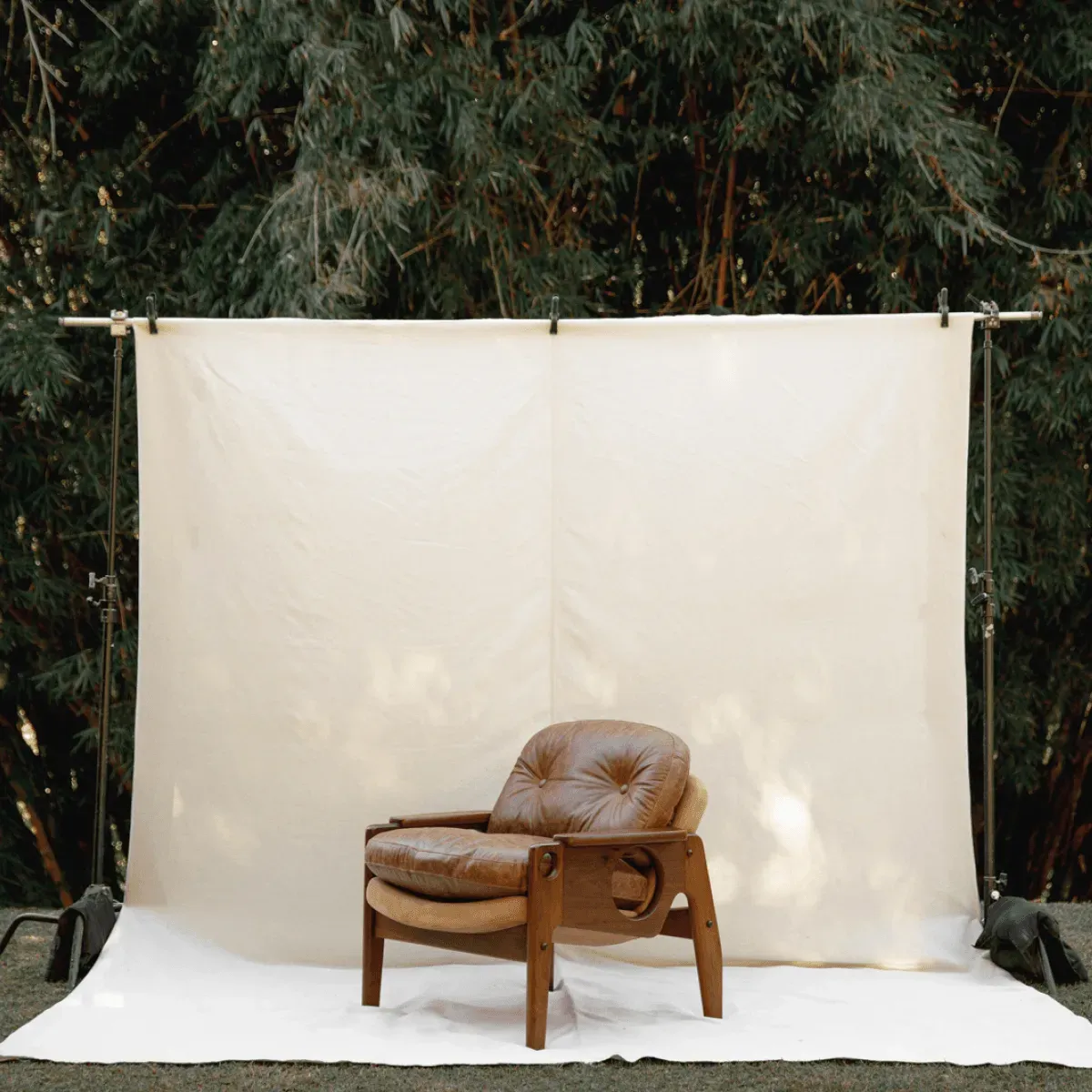
Vehicle of Cultural Expression
Sergio Rodrigues is recognised as a key figure in transforming Brazilian furniture from simple functional equipment into a vehicle for cultural expression. The exaggerated cushions, low-slung proportions and prominent wood grains make his pieces read as a characterful presence in a room, not a neutral background element.
The contrast between heavy frames and soft, almost collapsible cushions, sets up a tension between structure and comfort, echoing the broader Brazilian condition of blending rigor and improvisation.
In this way, the furniture operates almost as a “cultural sculpture”: objects that stage a particular way of sitting, resting and socializing that are recognisably Brazilian.
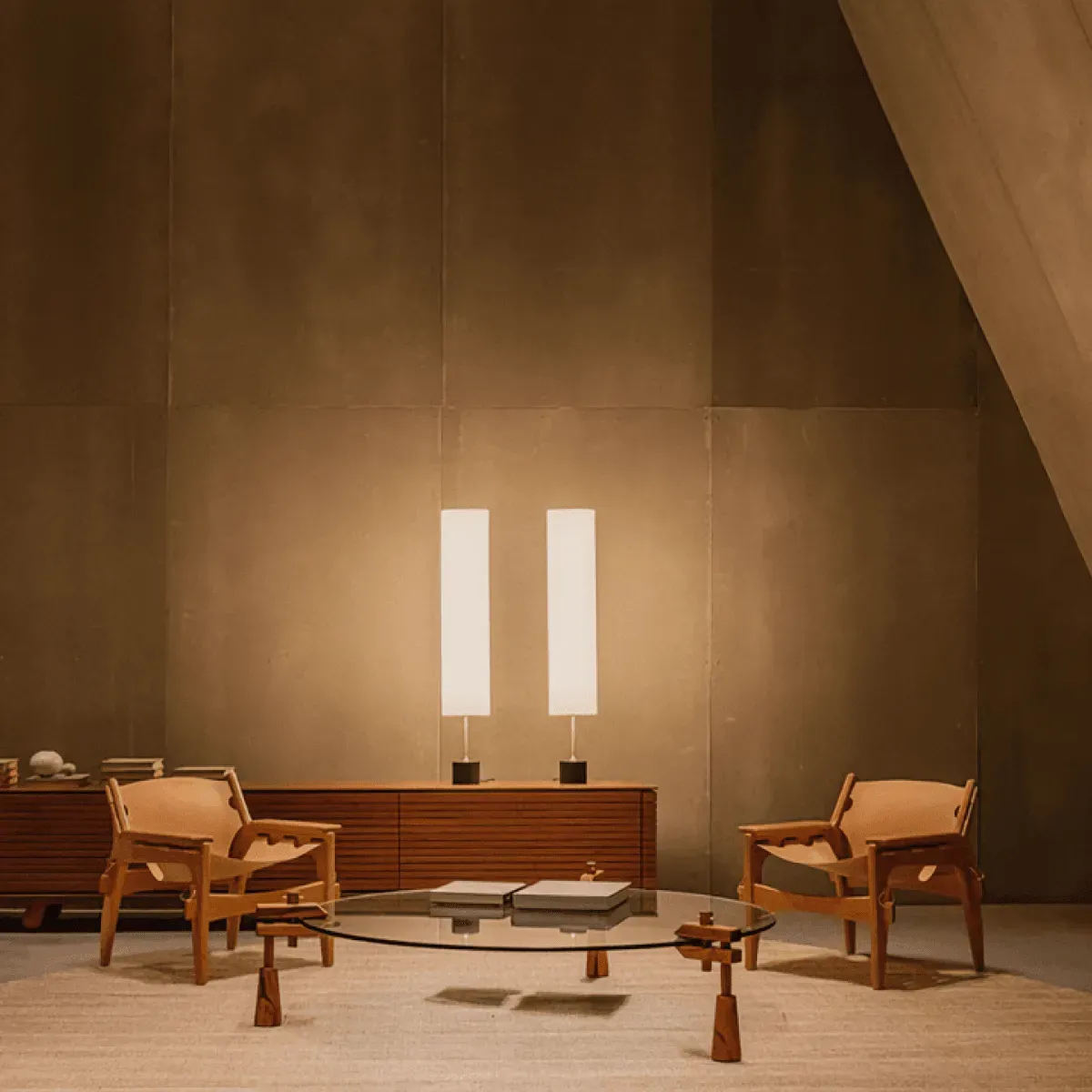
Global recognition and Legacy
Rodrigues’ international visibility grew notably after the Mole armchair won a major award in 1961 at the Cantù international furniture competition in Italy; bringing global attention to Brazilian furniture.
Inclusion of his work in important museum collections and international exhibitions positioned Brazilian modernism as a serious counterpart to Scandinavian and Italian design.
Over the decades, a renewed interest in mid-century design and in Latin American modernism has sparked reissues and retrospectives, confirming his status as a central reference for designers and collectors. Today, Sergio Rodrigues’ reputation rests on both the sensory appeal of the pieces themselves and their role in asserting a confident, local modern identity on the global stage.
How His Influence Shows Up Today
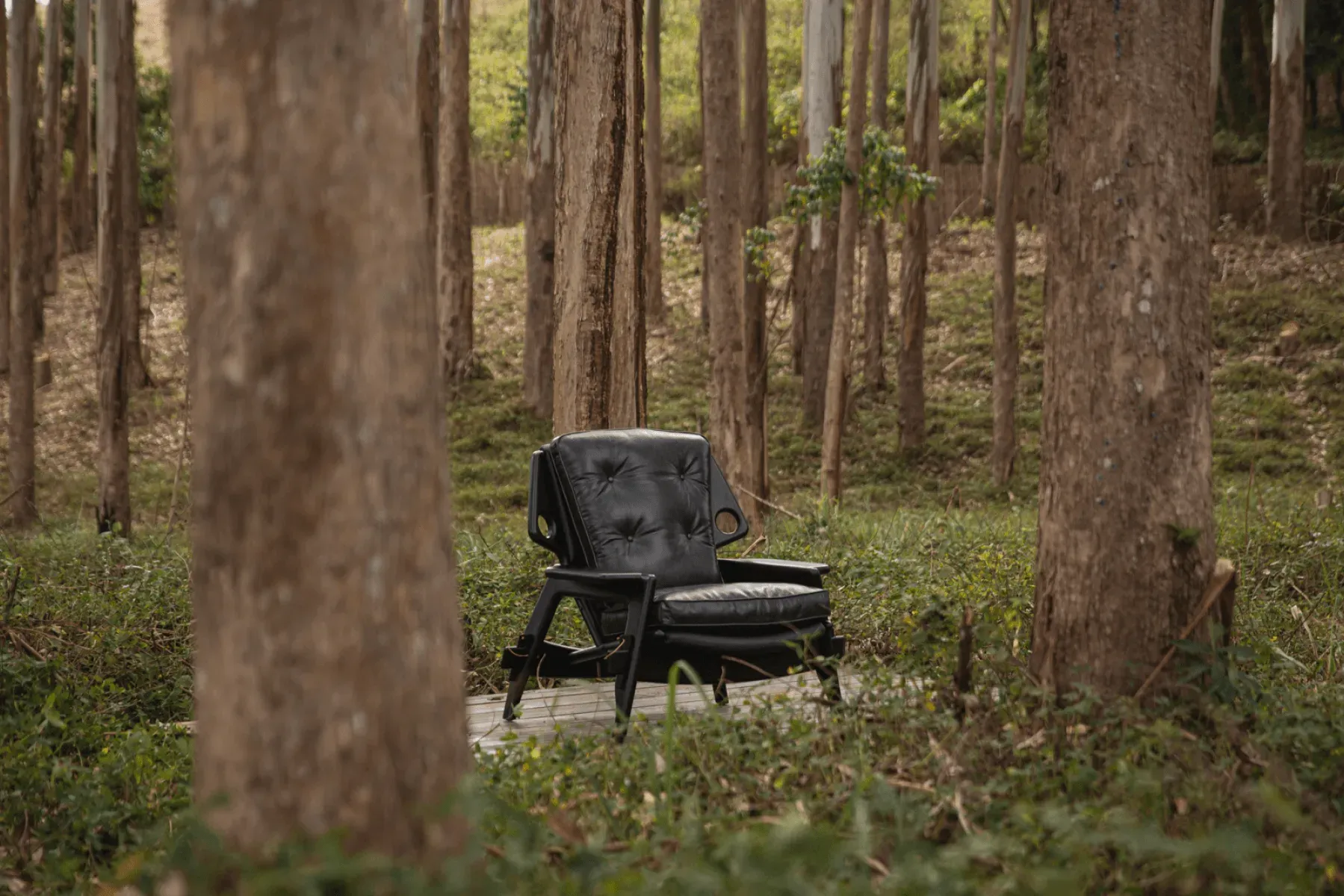
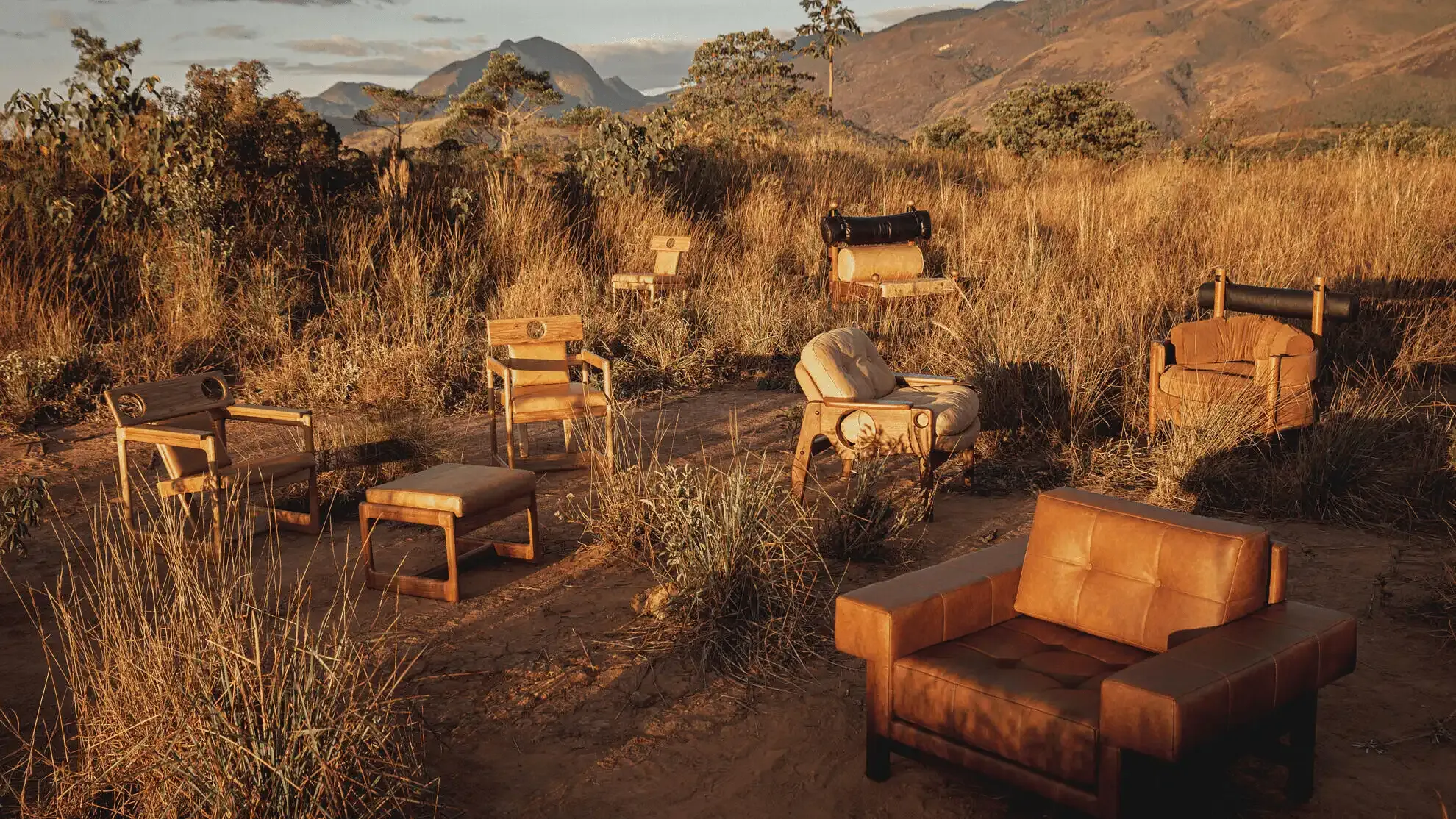
Contemporary designers regularly echo Rodrigues’ core ideas: visibly robust wooden frames paired with generous, often over-scaled upholstery; the embrace of natural, imperfect materials like solid wood and leather; and seating that prioritizes mindful and physical comfort over strict formality.
Many current “relaxed luxury” lounge chairs and sofas, especially from regional as well as international high-end brands, channel his signature of making structure and softness visually legible and slightly exaggerated.
In interiors, original Rodrigues pieces function simultaneously as furniture and collectible design objects, anchoring spaces with their strong material presence and cultural resonance, underscoring how fully he wove together furniture, lifestyle and national identity.
Featured products
Monday to Friday 10:00 – 18:00
Eden House, Al Satwa
Jumeirah Garden City - 41st St - Al Satwa
Dubai, United Arab Emirates