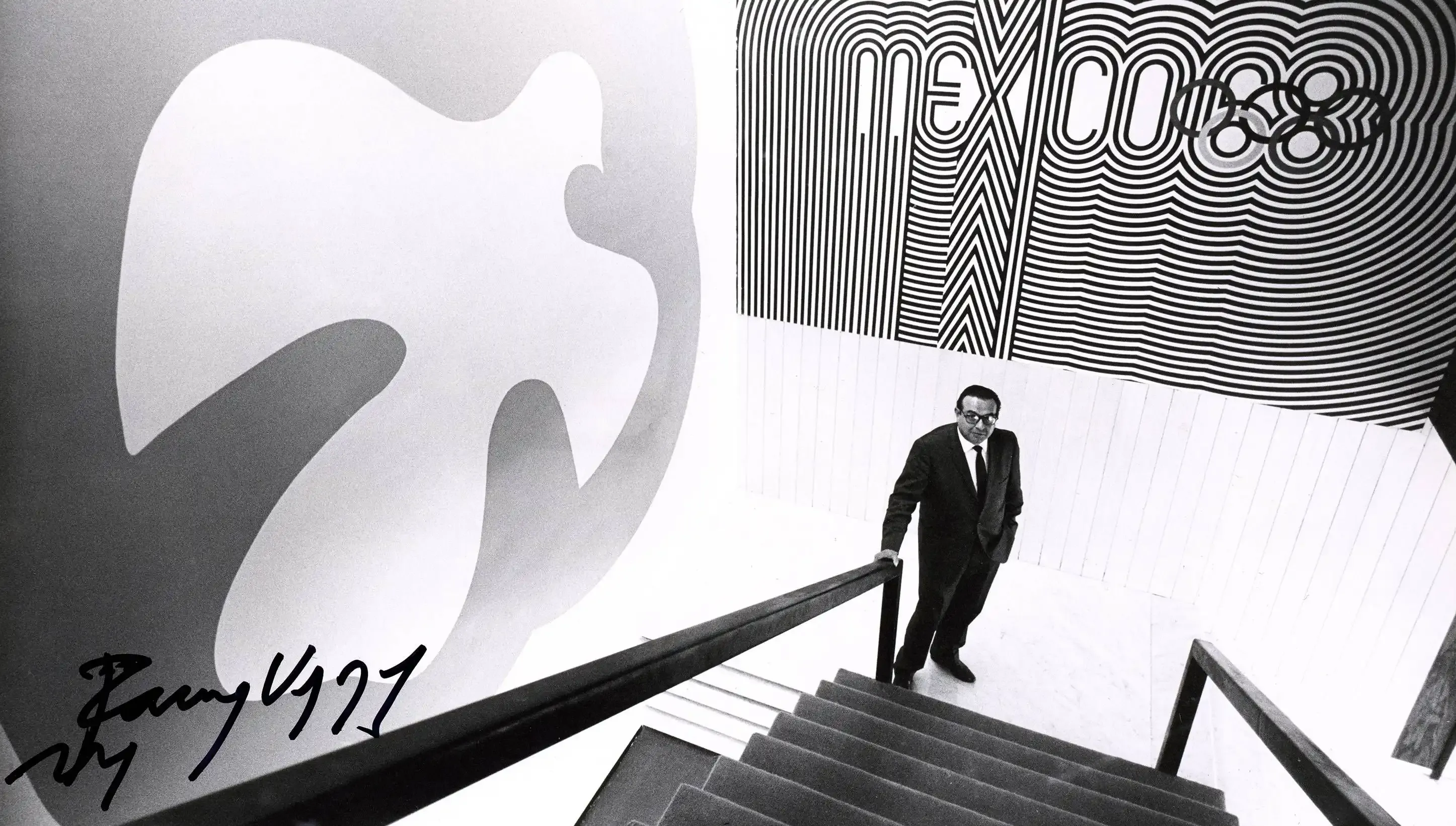
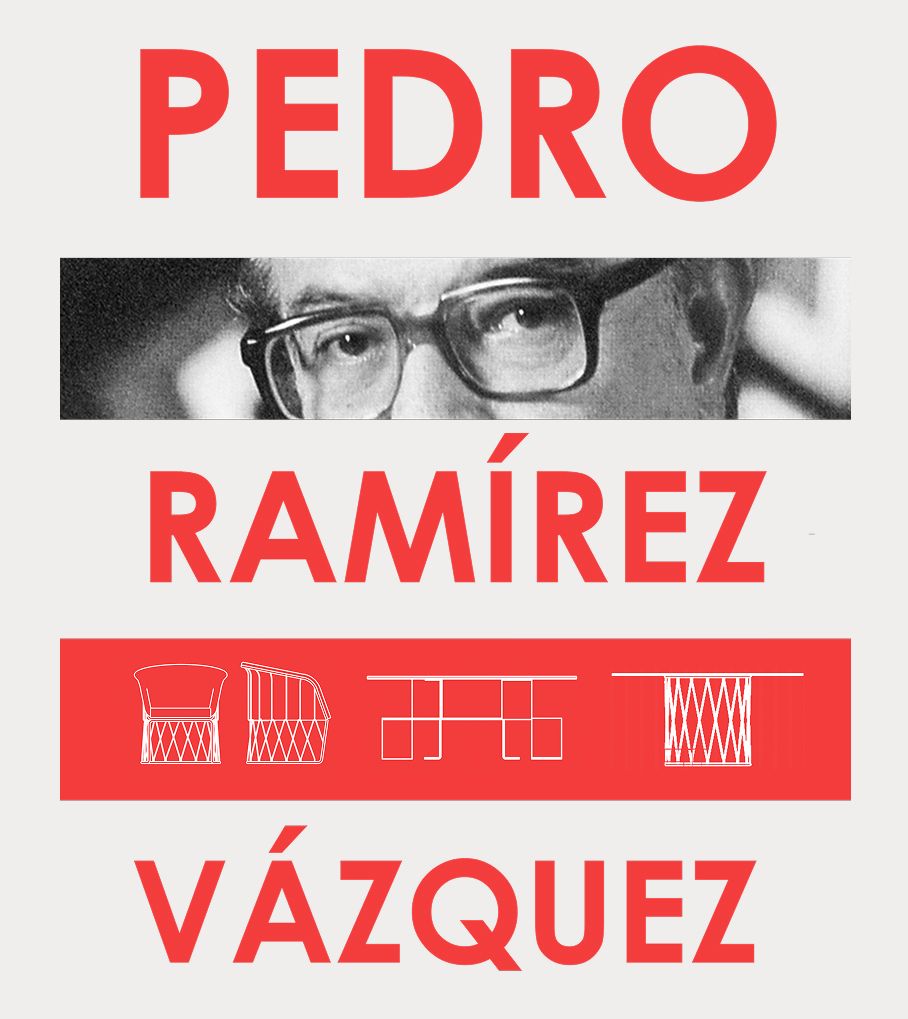
Pedro Ramírez Vázquez
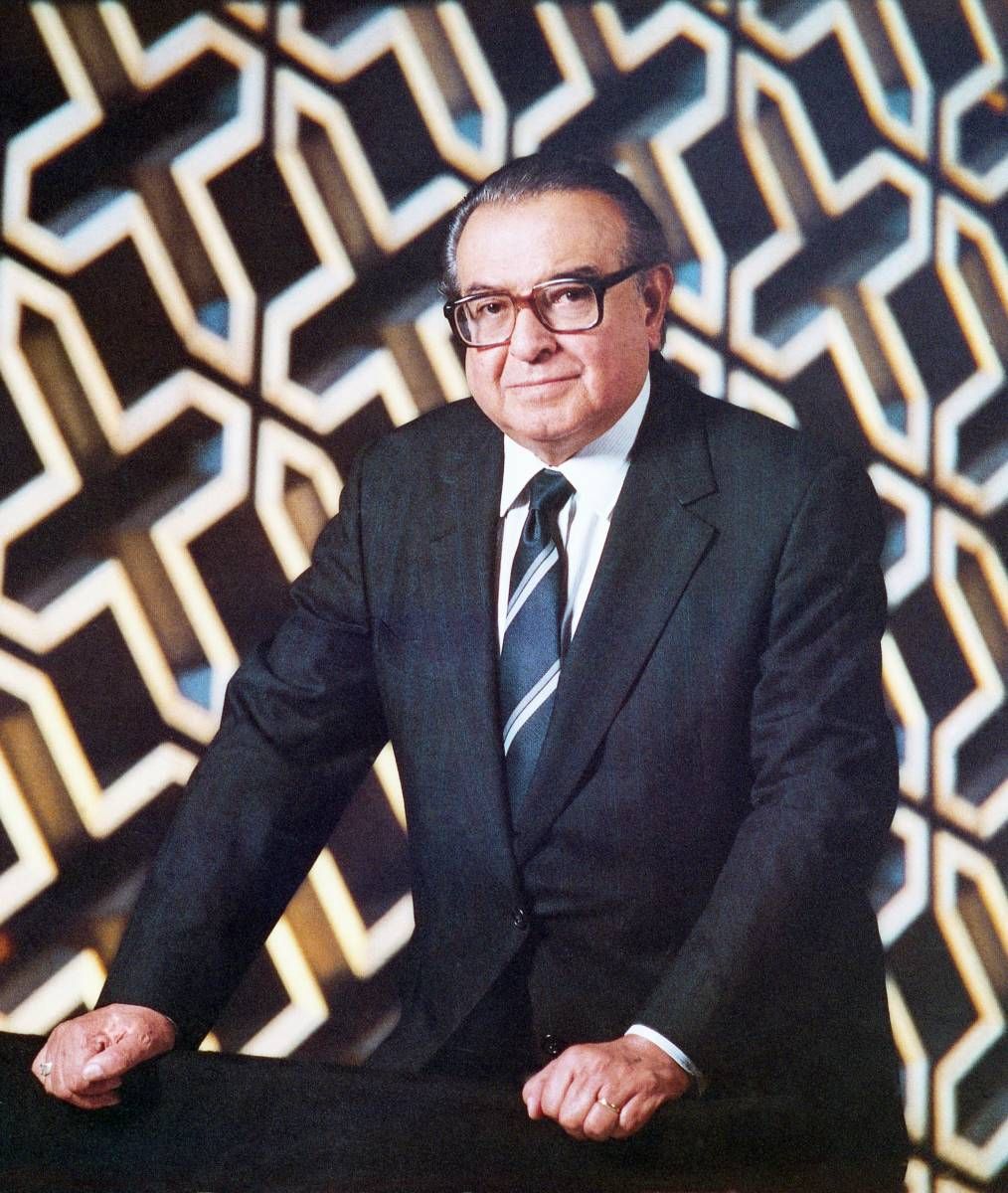
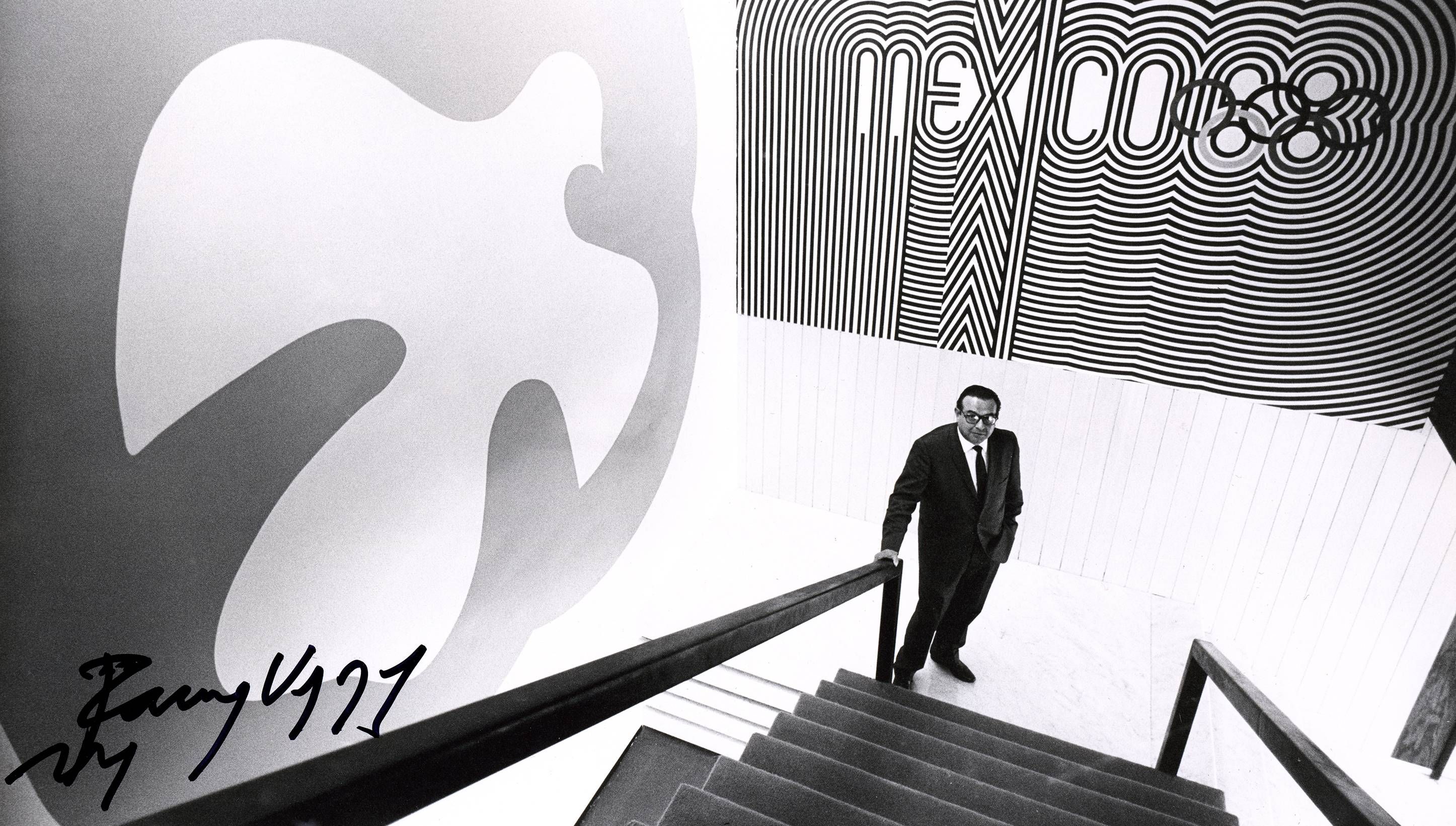
Pedro Ramírez Vázquez was a Mexican architect, urban planner, and designer whose fusion of European modernism with pre‑Columbian forms made him one of the most influential figures in twentieth‑century Mexican design.
He first gained national attention through a series of prefabricated rural schools developed under the mentorship of Jaime Torres Bodet. The project won the Grand Prix at the 1960 Milan Triennale and was later adopted by UNESCO in seventeen countries. His practice expanded rapidly across architecture, urban planning, industrial design, and public administration, all guided by his belief in Mexico’s “cultural constants”, the iconographic and spatial principles of pre‑Hispanic tradition that he saw as essential to an authentic modern Mexican identity.
Key Works and Projects
Several works are central to understanding his impact:
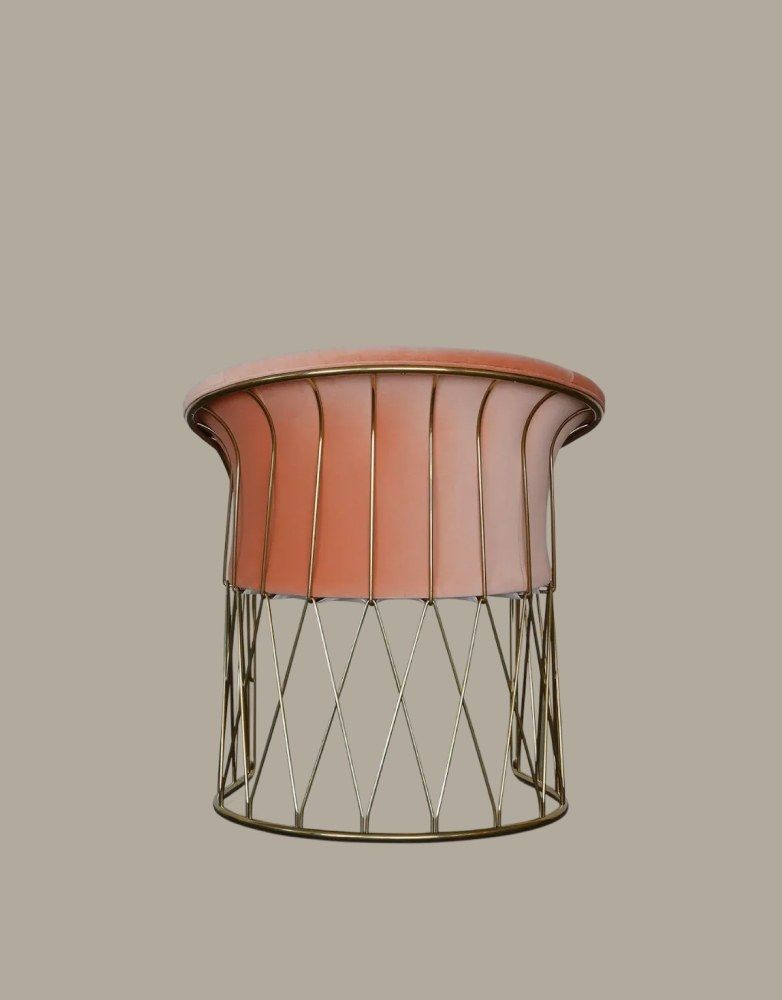
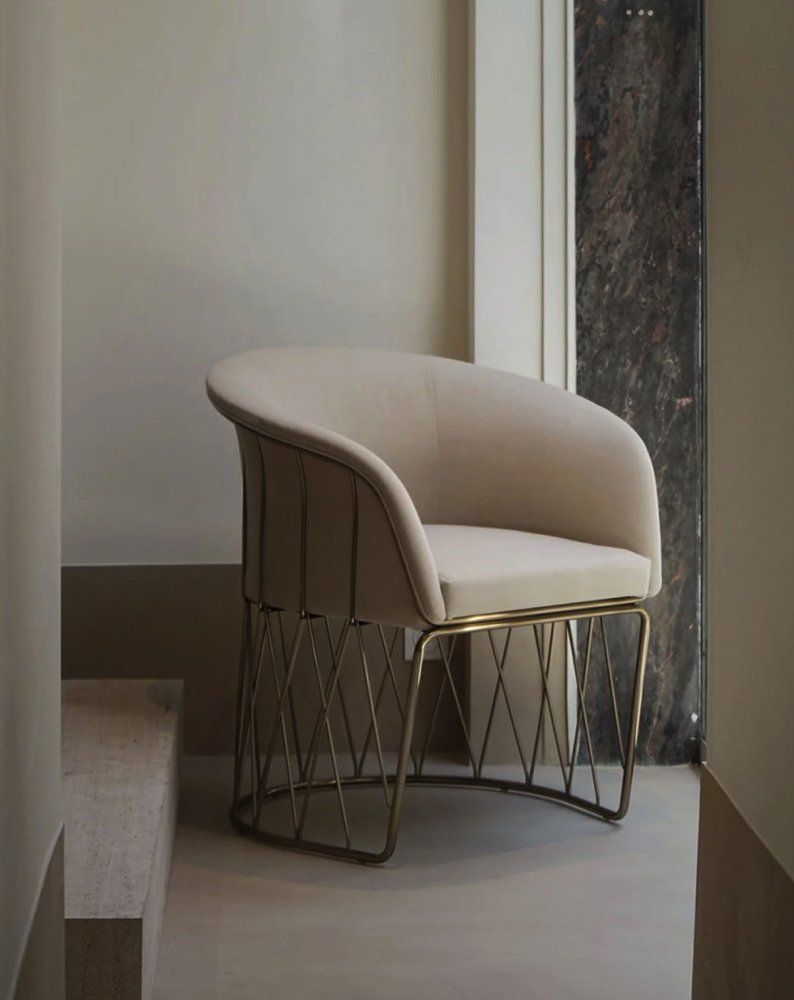
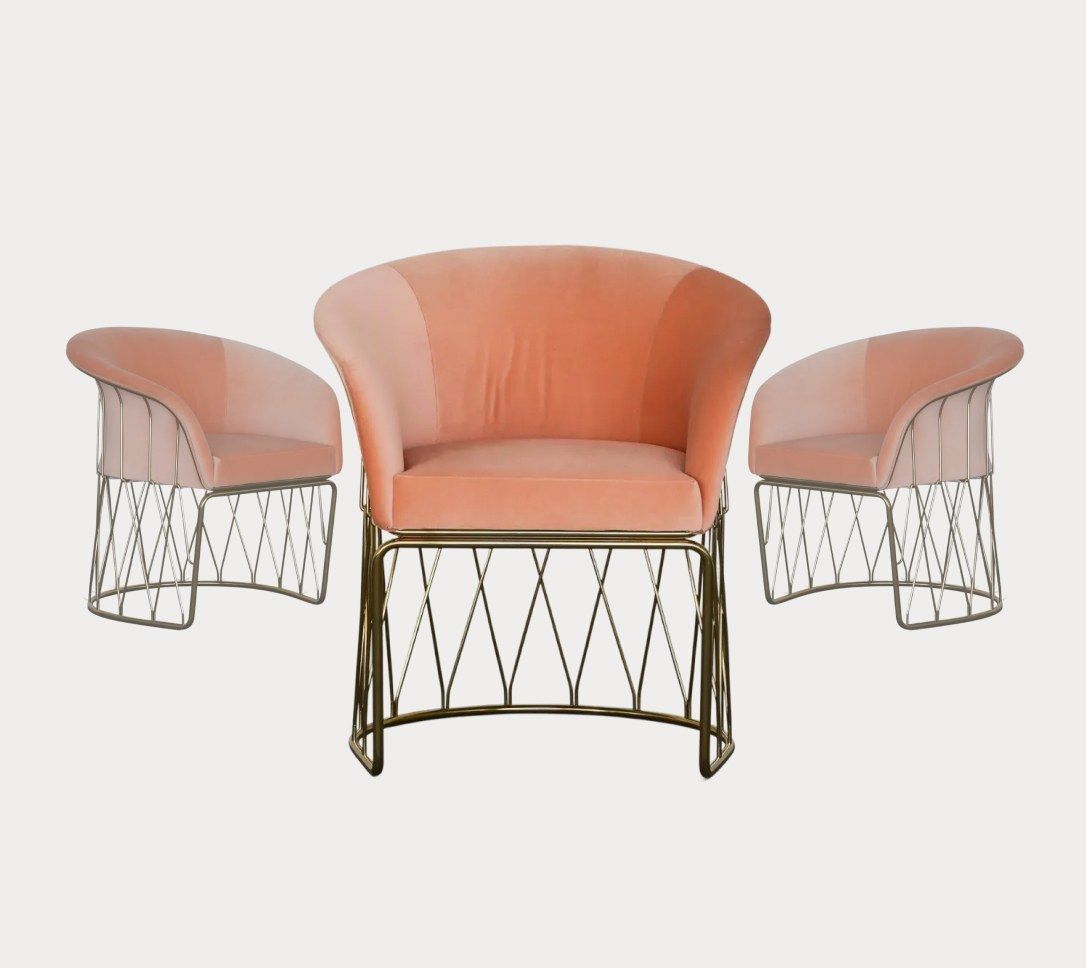
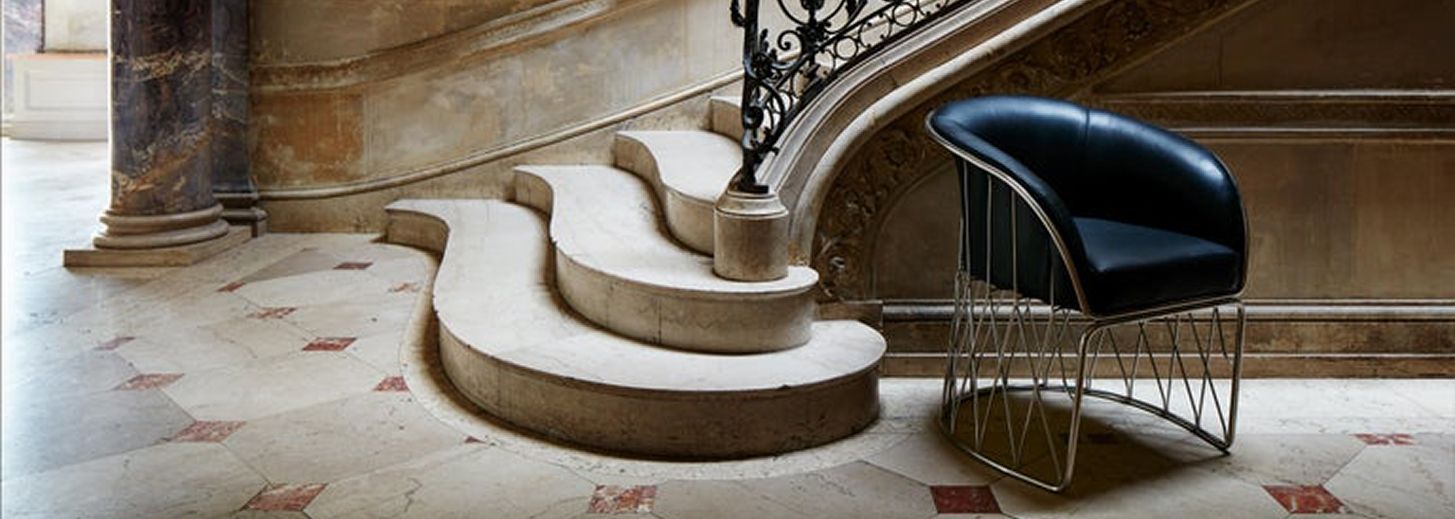
Equipal Chair (1968): A modern reinterpretation of the traditional Mexican equipal, crafted in chrome steel with leather upholstery and composed of more than 55 individually hand‑bent components. Originally designed for the Mexican Embassy in New York, it was later reissued by Luteca and featured in Wallpaper, Architectural Digest, and The Wall Street Journal.
Equipal Dining Table (1968): Designed as a companion to the chair, echoing its geometric steel structure.
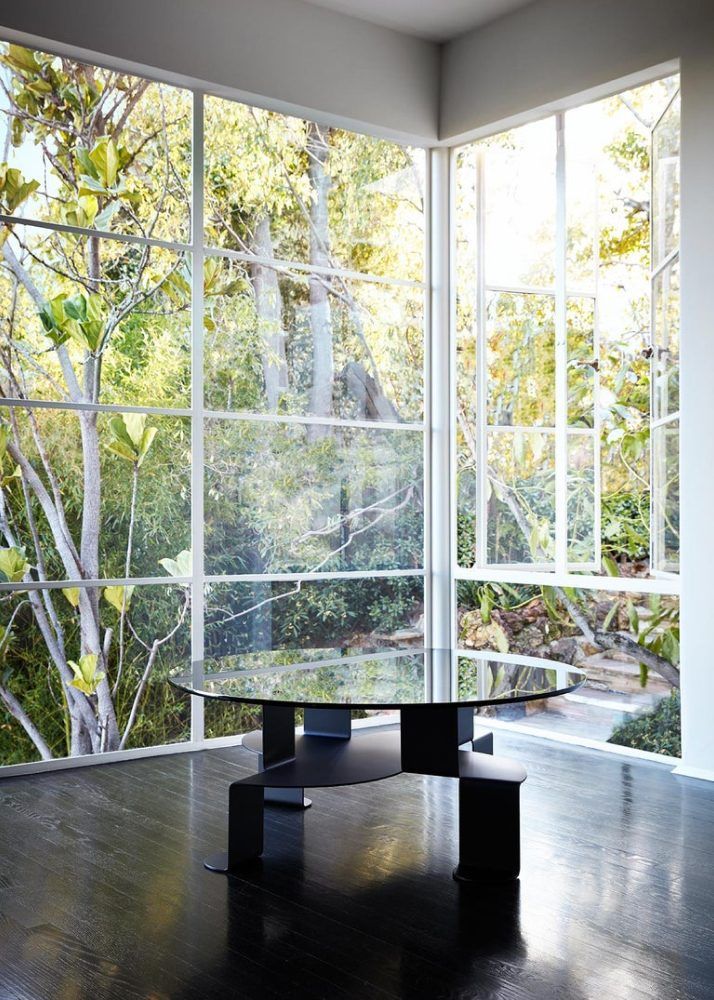
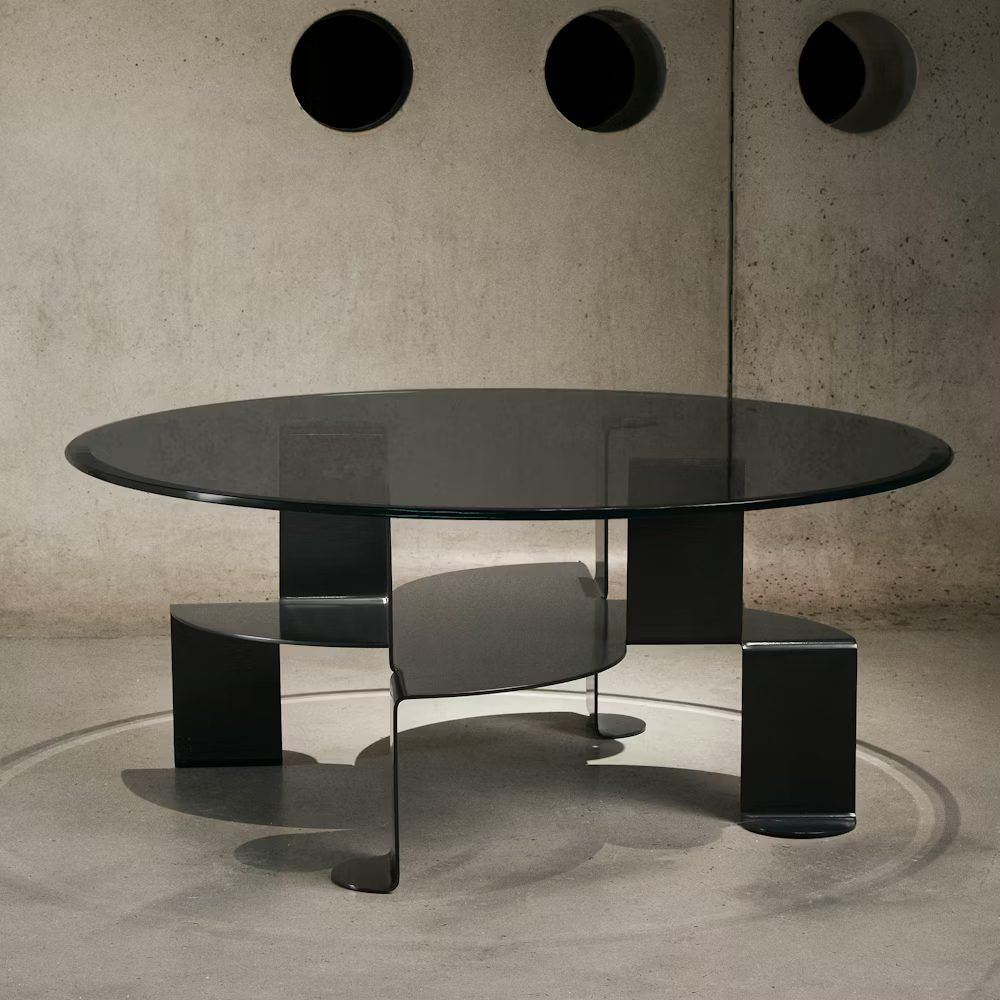
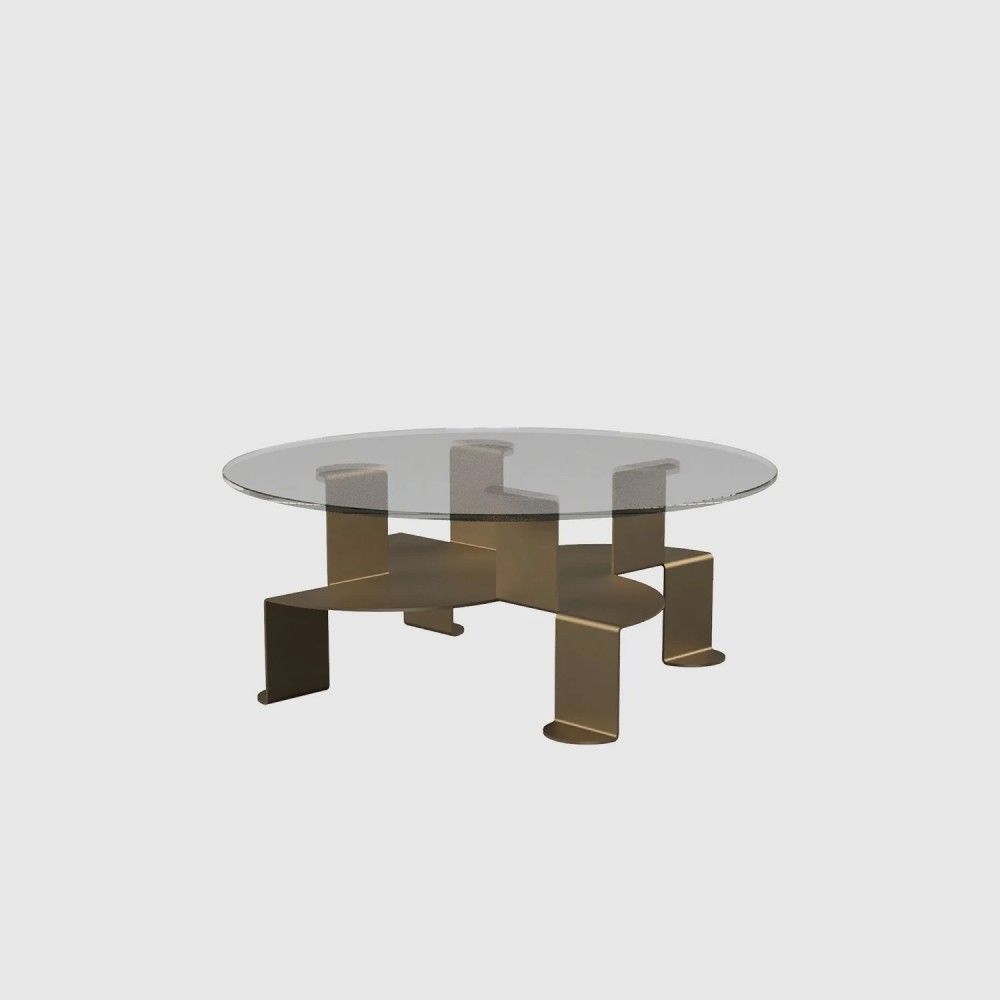
Aspa Coffee Table - 1970: A domestic‑scale exploration of his steel‑plate vocabulary.
National Museum of Anthropology, Mexico City (1964): His most celebrated architectural work, described by Philip Johnson as the best museum in the world. It stands as a total design project in which architecture, landscape, ethnographic display, and spatial sequence were conceived as a unified whole.
Architecture as Total Design
Ramírez Vázquez is regarded as a defining figure of Mexican modernism for his ability to work across multiple disciplines while maintaining a coherent vision. Rooted in cultural continuity, his work stood apart from both revisiting the past and adopting a uniform global aesthetic.
His concept of “cultural constants", drawn from Mexico’s pre‑Hispanic past, provided a practical framework that allowed him to engage with European modernism on his own terms. This was quite the achievement.
Legacy and Revival
He received the Jean Tschumi Prize from the International Union of Architects in 1969 and Mexico’s National Art Prize in 1973, among many international honours. For decades, his furniture archive remained largely unseen until his son, Javier Ramírez Campuzano, granted the New York label Luteca access to it.
This led to a series of reissues that introduced his objects to a global audience. At the same time, MoMA’s exhibition Latin America in Construction: Architecture 1955–1980 positioned his architectural work within the broader narrative of post-war modernism in the Americas.
How His Influence Shows Up Today
Ramírez Vázquez’s furniture demonstrates how national design identity can emerge from structural logic rather than surfce decoration, a principle that continues to resonate with designers working with regional materials and craft traditions to date.
His bent‑steel pieces, combining industrial precision with hand‑finished detail, anticipate today’s interest in objects that sit between manufacture and craft. In contemporary interiors, they function as both practical furniture and cultural anchors, offering a quiet authority that is modern and deeply woven into Mexico’s design heritage.
Featured products
Monday to Friday 10:00 – 18:00
Eden House, Al Satwa
Jumeirah Garden City - 41st St - Al Satwa
Dubai, United Arab Emirates