Butaque Lounge Chair - 1949
Brand:
Luteca
Clara Porset’s interpretation of the classic Butaque Lounge Chair has become a defining symbol of Latin American modernism. Reimagining the traditional X-frame form, Porset introduced softer curves and a more ergonomic silhouette. This version is inspired by the designs she created for renowned architect Luis Barragán. It's crafted in white oak, maple, or iroko, and paired with a seat in tan or black hide.
Please contact us at custom-made@thecollectional.com to explore further.


Clara Porset’s interpretation of the classic Butaque Lounge Chair has become a defining symbol of Latin American modernism. Reimagining the traditional X-frame form, Porset introduced softer curves and a more ergonomic silhouette. This version is inspired by the designs she created for renowned architect Luis Barragán. It's crafted in white oak, maple, or iroko, and paired with a seat in tan or black hide.
Please contact us at custom-made@thecollectional.com to explore further.
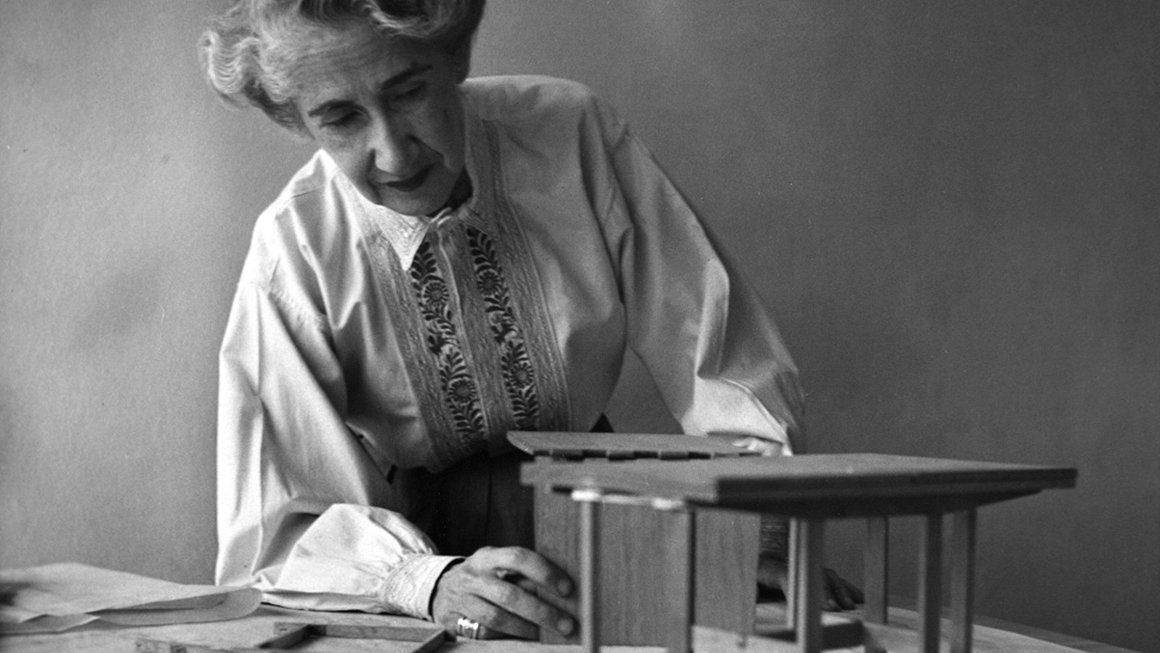
Clara Porset Dumas
Cuban-born furniture and interior designer
Clara Porset, a furniture and interior designer whose European modernism and Mexican vernacular tradition established her as a foundational figure in Latin American design and a pioneer of Mexican modernism.
Porset was born into a wealthy family in Matanzas, Cuba. She studied at Columbia University's School of Fine Arts and the New York School of Interior Design during the 1920s, and later traveled to Europe, where she attended classes at the École des Beaux Arts, the Sorbonne and the Louvre, and studied architecture and furniture design in the Paris studio of Henri Rapin. In 1933, despite her established professional practice in Cuba, she wrote to Gropius inquiring about enrollment at the Bauhaus, but pressure from certain political influences made this impossible.
Gropius recommended she instead study at Black Mountain College in North Carolina, which she attended in the summer of 1934. After returning to Cuba and serving briefly as artistic director of the Escuela Técnica para Mujeres, her political outspokenness forced her to leave in 1935.
She moved to Mexico, where she married the painter and muralist Xavier Guerrero and remained for most of her life, becoming one of the country's leading designers.