Franco Albini
See also: Exteta
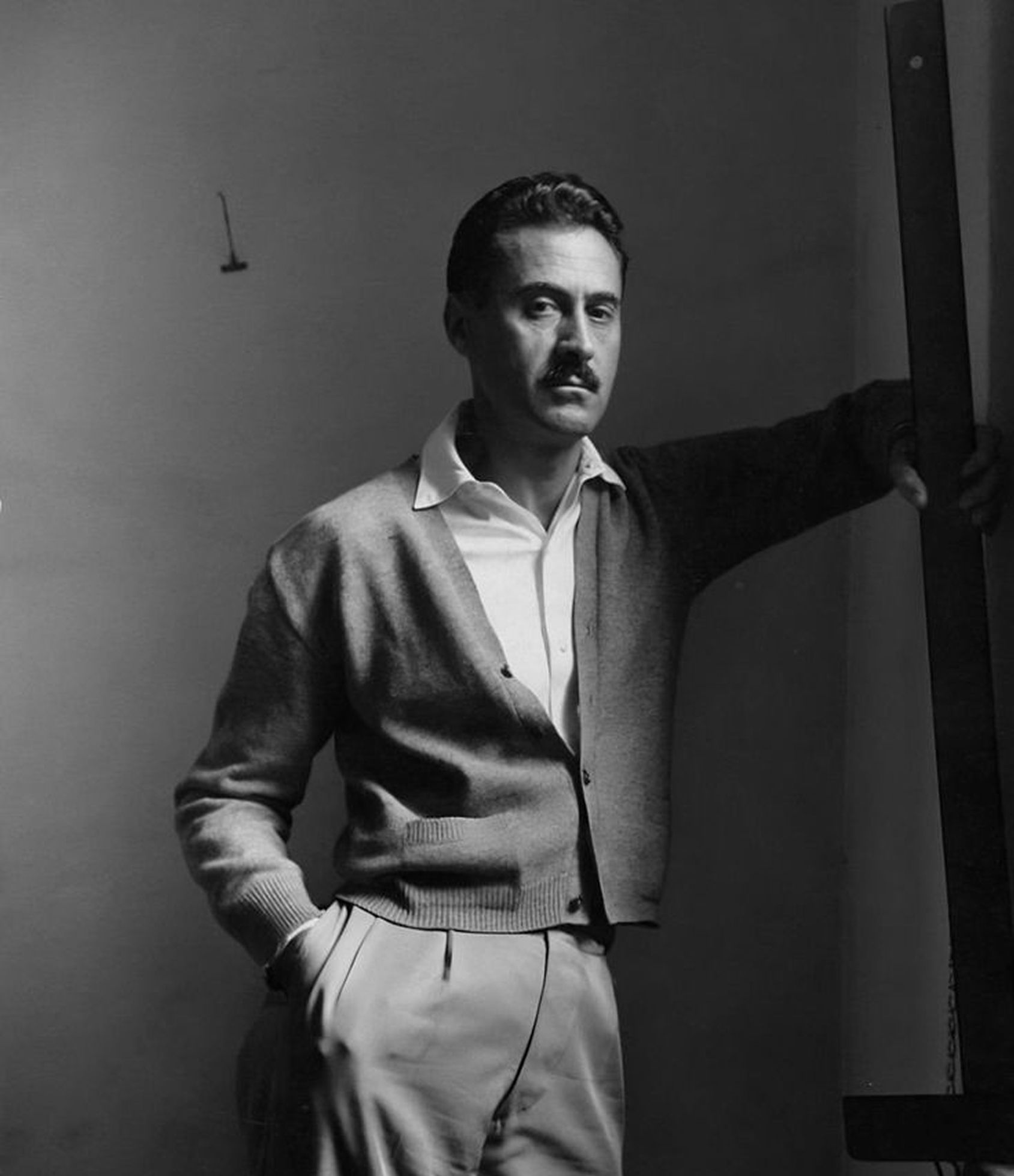
Franco Albini, an Italian architect, designer, and educator whose understanding for material made him a defining figure in twentieth-century Italian modernism. He established new possibilities for how architecture, furniture and museum display could engage with both tradition and innovation.
Albini was born in Robbiate in the Lombardy region and began his professional career working in the office of Gio Ponti and Emilio Lancia. A year later, he opened his own practice and began exhibiting at the Milan Triennale. The architect Edoardo Persico saw Albini's early furnishings and called them "Novecentisti," a reference to the conservative movement then dominant in Italy. This critique set Albini on a trajectory toward embracing timeless silhouettes and functionality becoming one of the leading figures of the Milanese School.
Having served as co-director of Casabella for a brief period of time, Albini entered into a partnership with the architect Franca Helg that would last until his death, producing some of his most significant architectural and design work. Albini taught architecture and interior design at the Instituto Universitario di Architettura in Venice from 1949 to 1964 followed by a tenure at the Politecnico di Milano until his passing.
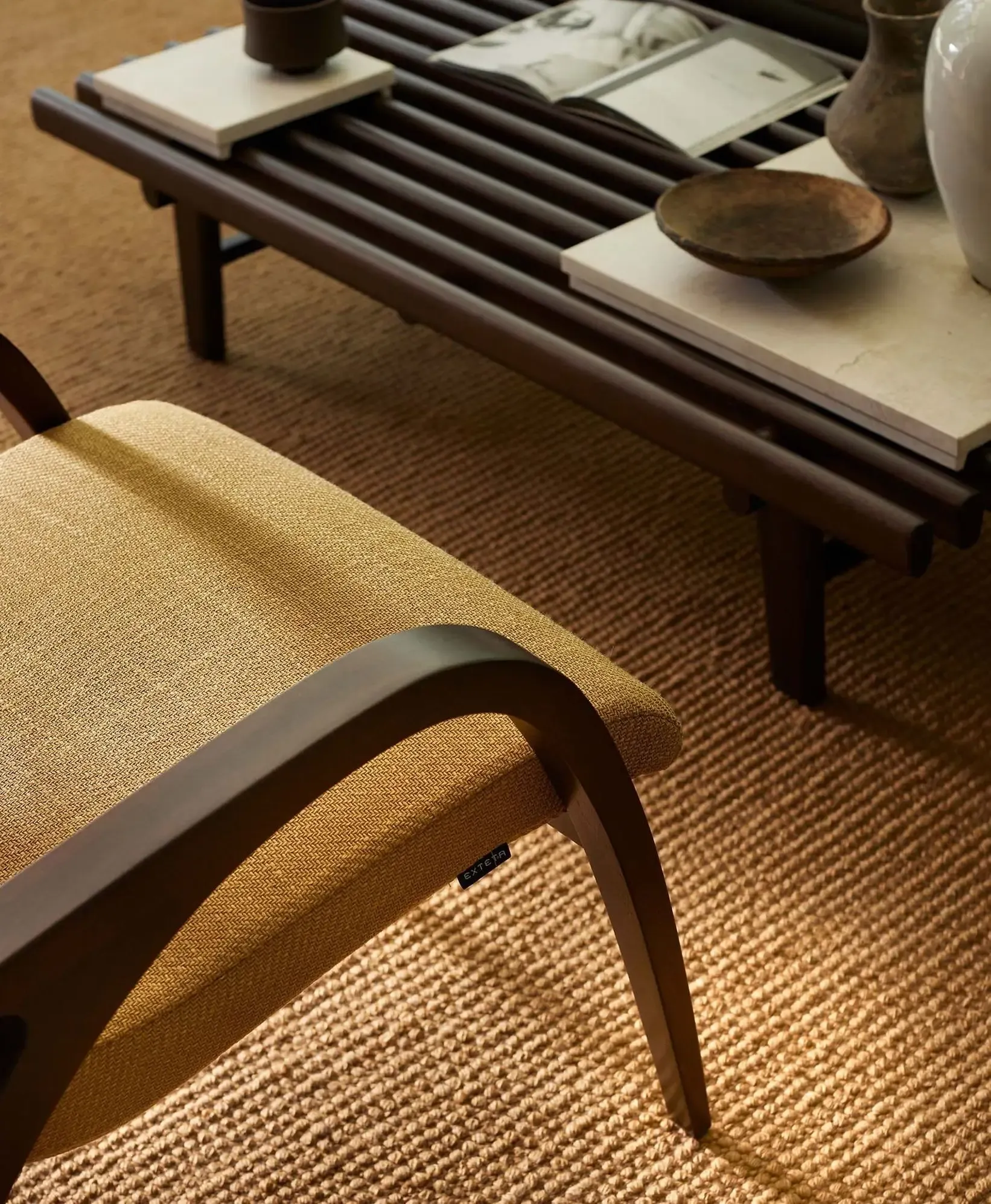
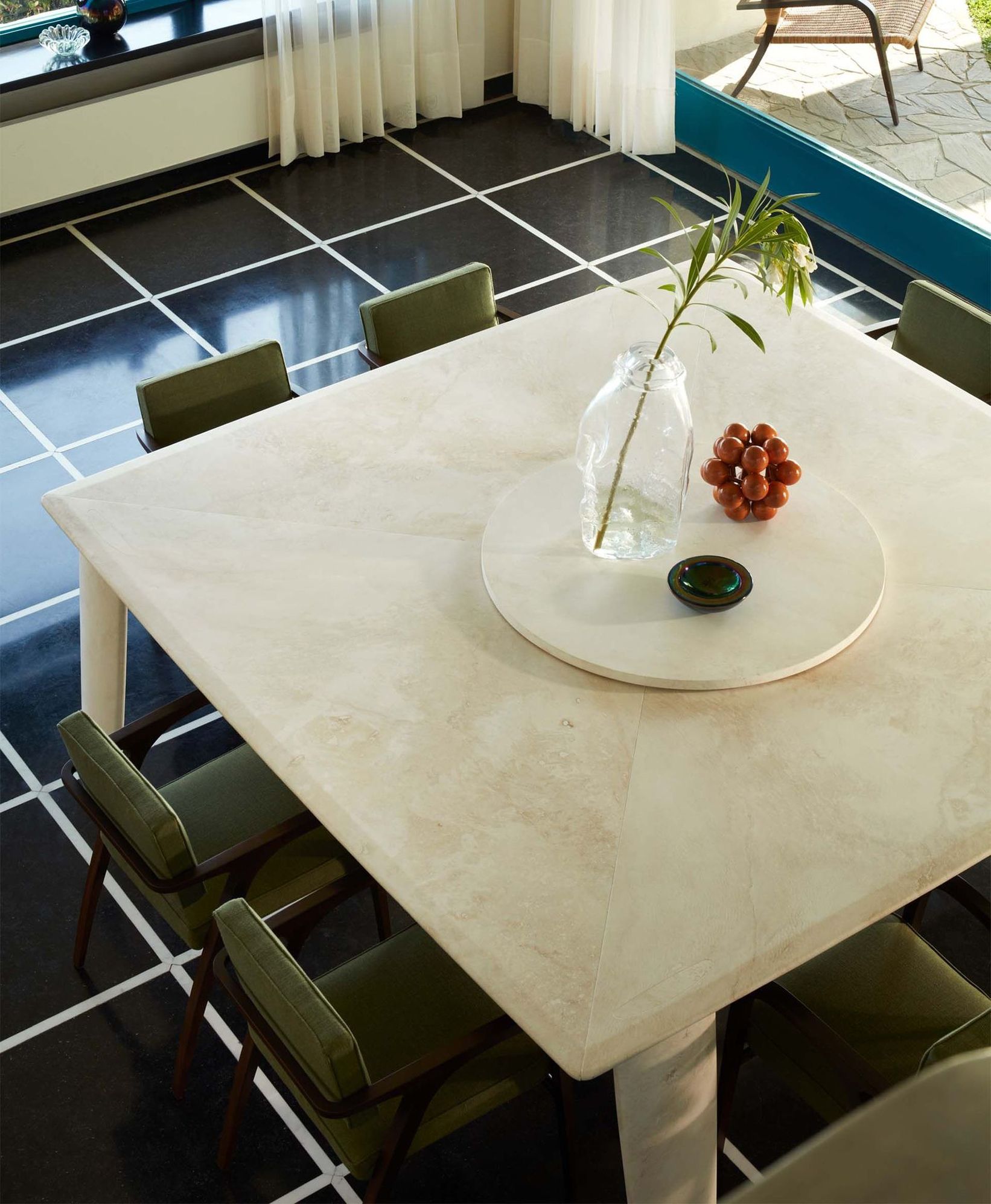

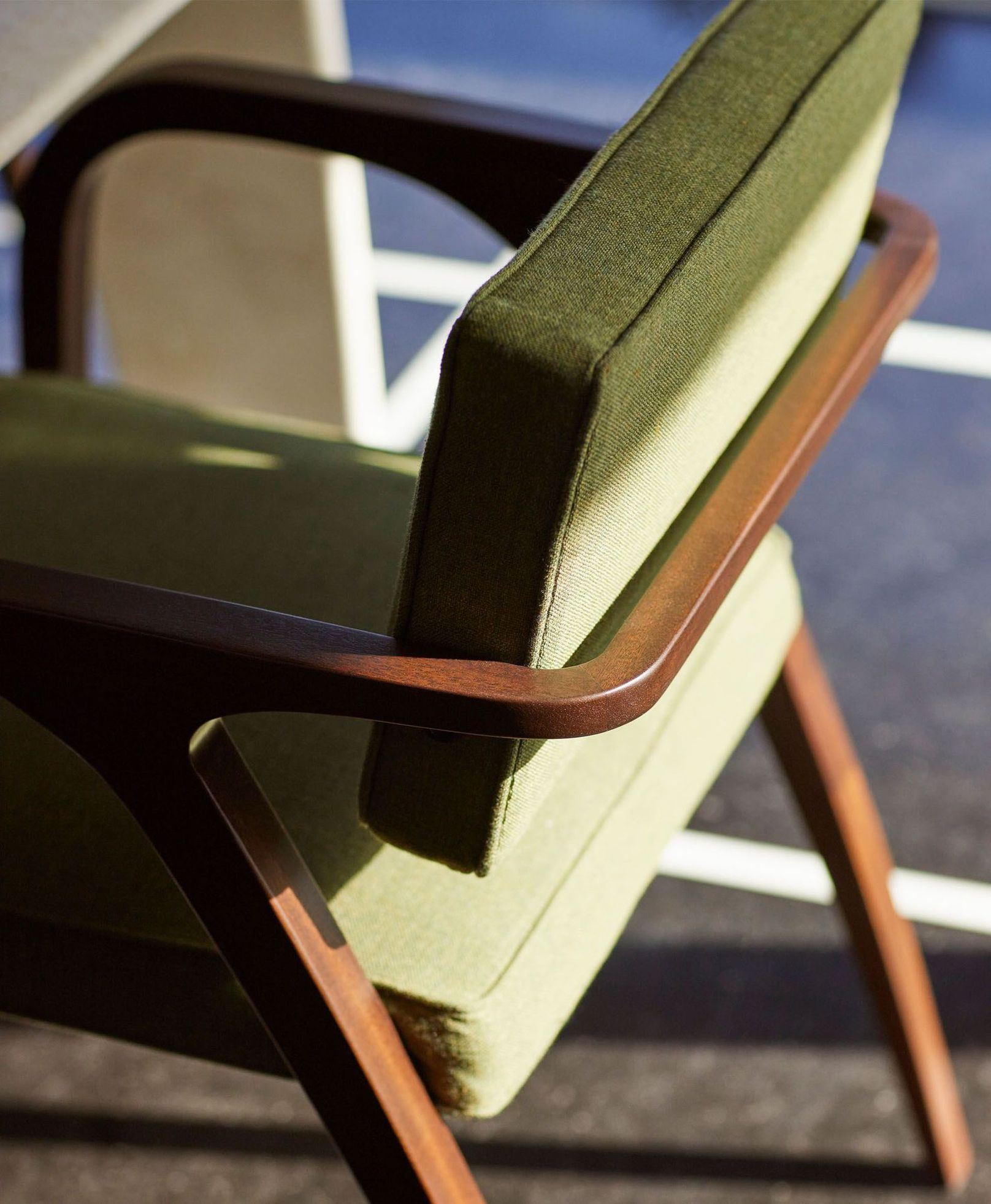
Key Works and Projects
Several works define his contribution:
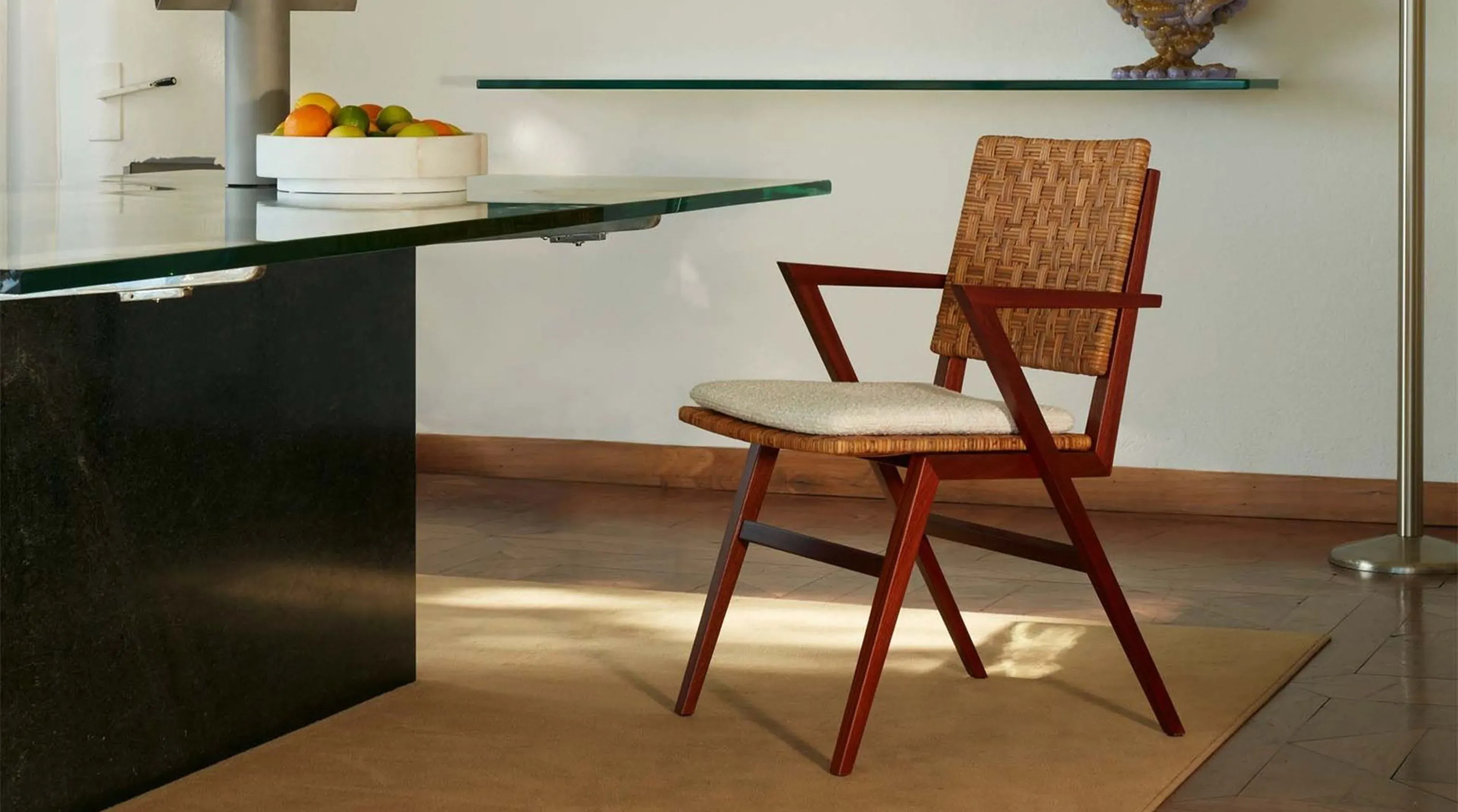
Sedia Lupo Chair (1945), that weaves wooden fibers in an embroidery-like pattern, balancing ornamentation and structure
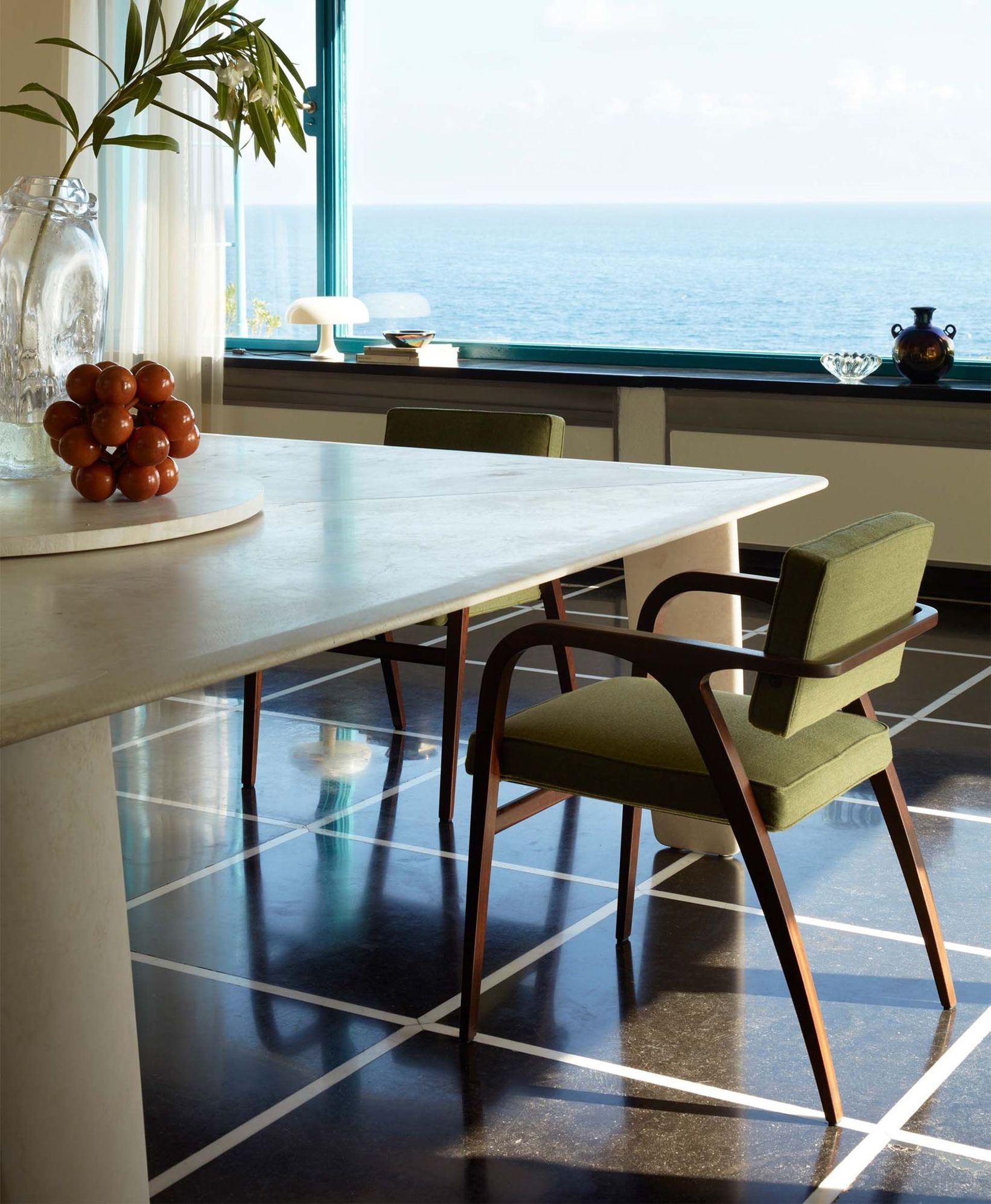
Sedia Chair (1938) that celebrates exceptional craftsmanship and the beauty that is found in functionality.
Albini Desk (1928), an early experiment combining steel, glass and wood in a minimalist balance that became iconic when introduced by Knoll in 1949.
Tensile Bookcase (1939), a suspended shelving system using cables and tension rather than traditional supports, demonstrating his interest in dematerialization and structural innovation.
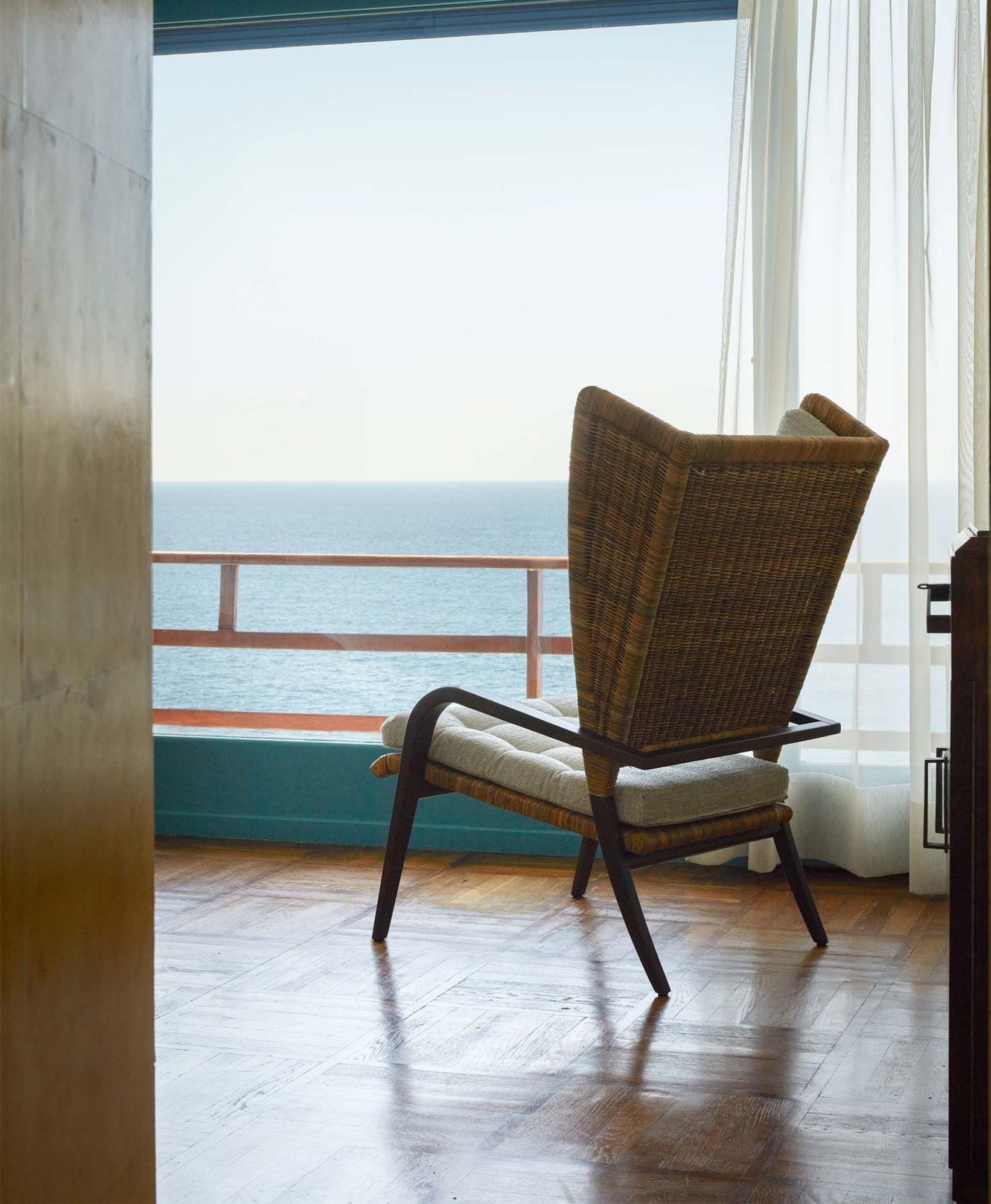
Margherita Chair (1951) and Gala Chair for Bonacina, woven cane pieces that pushed traditional basketwork to new formal and structural limits.
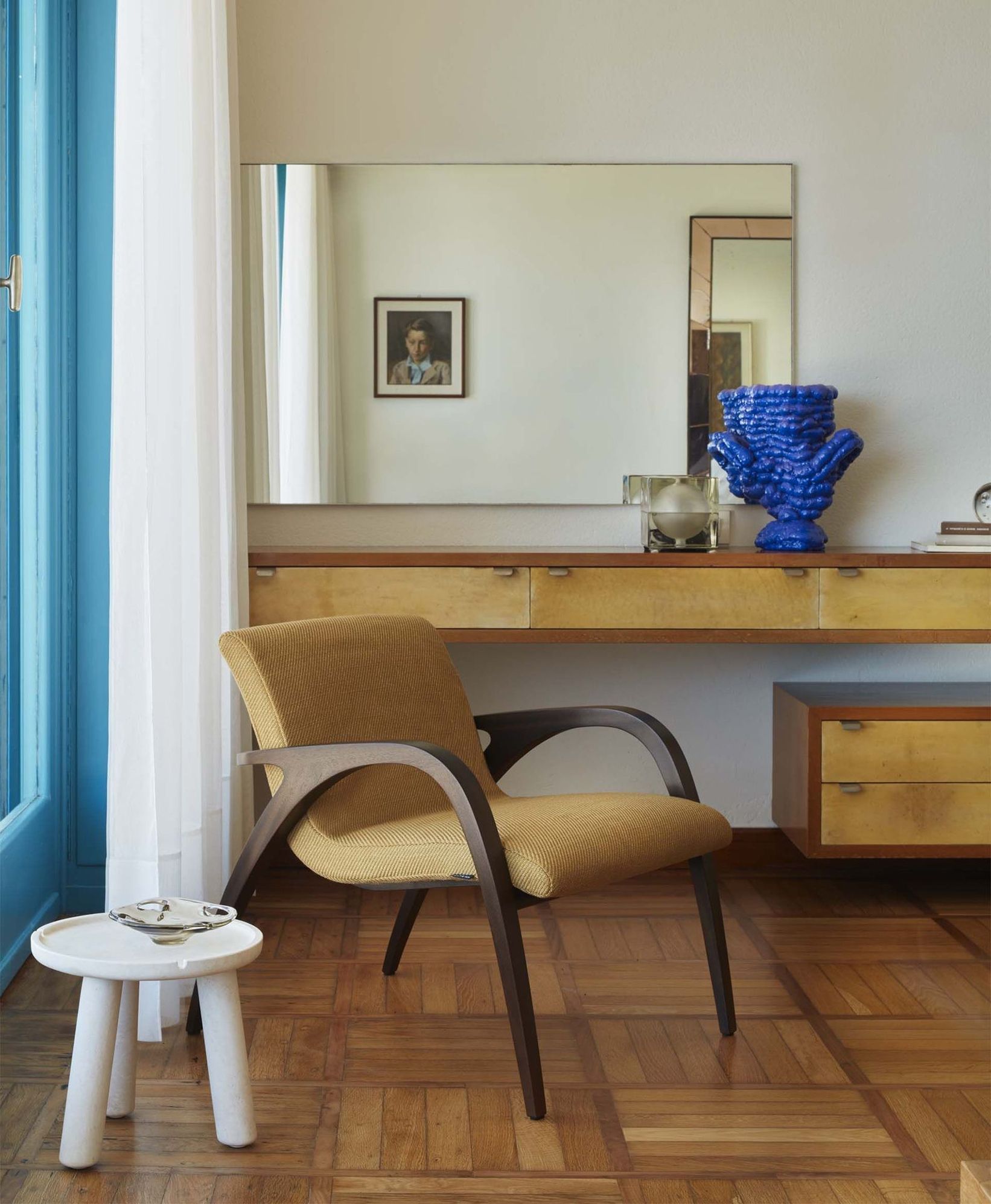
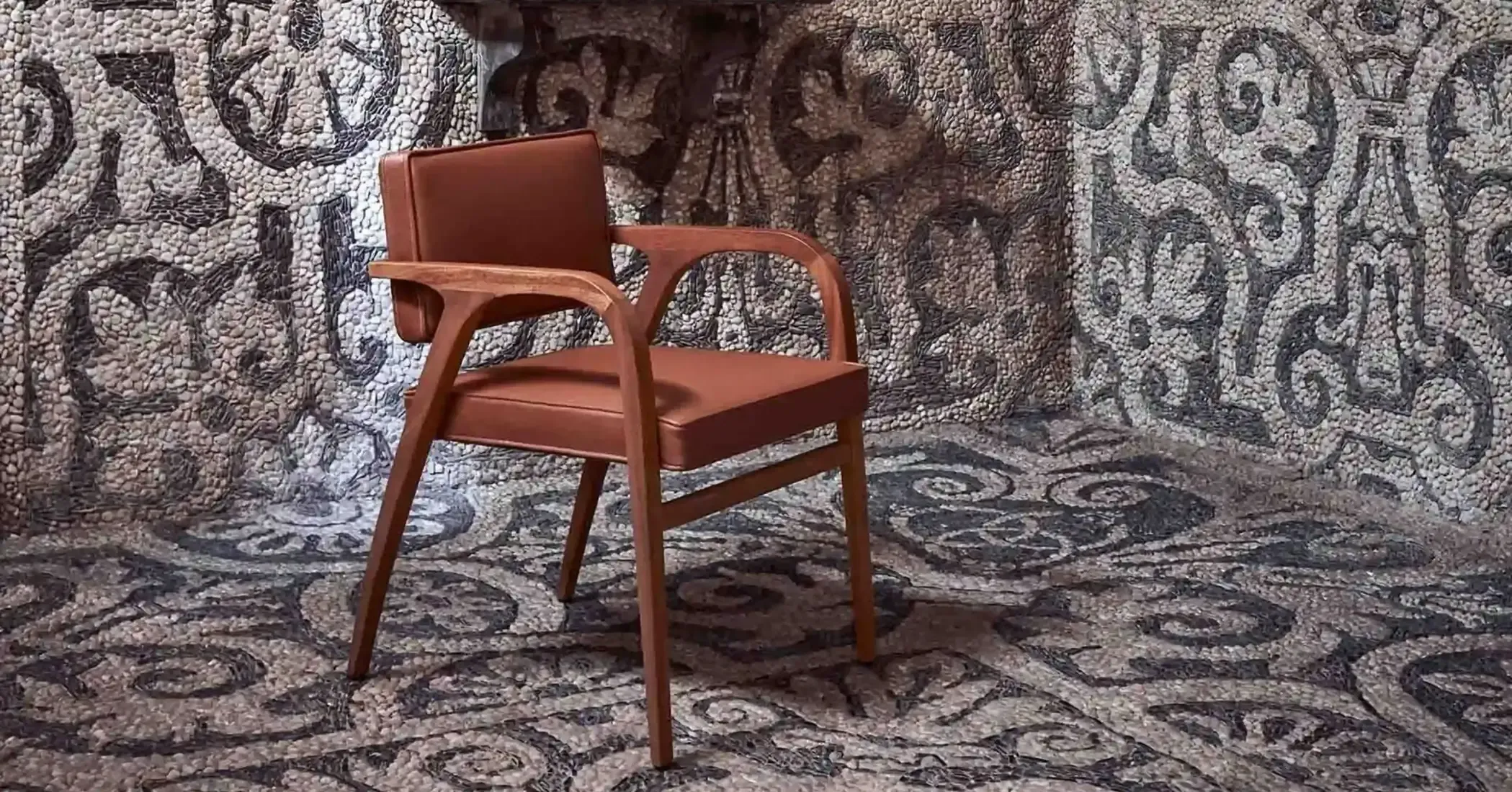
Luisa Armchair (1955) for Poggi, which won the Compasso d'Oro and remains one of his most recognized furniture designs, reissued by Cassina.

Impact on Design History
Albini is regarded as an important figure in Italian rationalism for his ability to reconcile the movement's formal and structural rigour with an attention to material, craft and historical context.
Where many rationalists pursued a strict, mechanistic aesthetic, Albini allowed traditional Italian artisanal techniques to inform his work, demonstrating that modernism need not erase traditionalist knowledge. His insistence on using accessible materials aligned with his belief that good design should serve a broad public, not just an elite.
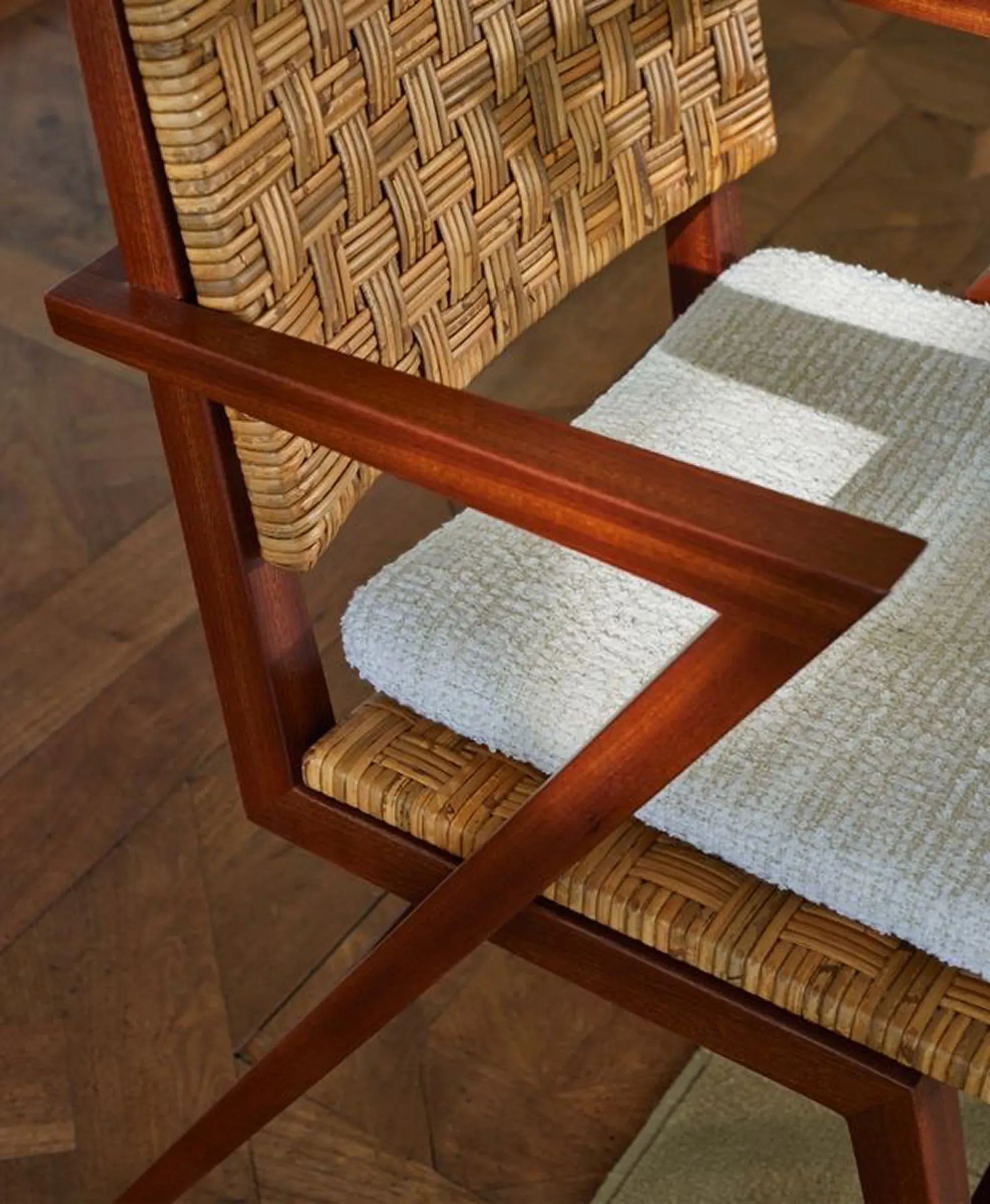
Recognition and Legacy
Albini received three Compasso d'Oro awards (1955, 1958, 1964), the Olivetti Prize for Architecture (1957), and was appointed Honorary Royal Designer for Industry by the Royal Society of Arts in London in 1971. His work is held in the permanent collections of the Museum of Modern Art in New York, the Victoria and Albert Museum in London, and the Triennale in Milan, among others.
After a period of relative obscurity following his death, his furniture has been reissued by Cassina, Poggi and others, and his museum work has been the subject of renewed scholarly attention, including exhibitions such as Art on Display at the Gulbenkian Museum in Lisbon and Het Nieuwe Instituut in Rotterdam.
How His Influence Shows Up Today
Albini's legacy is visible in contemporary furniture that combines slender frames with woven natural materials, in museum display systems that prioritize minimal intervention and direct engagement with artworks, and in architectural projects that seek to balance structural clarity with material warmth. His belief that modernism should engage rather than erase local craft traditions anticipated debates that remain central to design today.
In interiors, his original pieces function as both functional objects and reference points, anchoring spaces with a quiet authority that bridges rationalist discipline and artisanal sensitivity.
Featured products
Monday to Friday 10:00 – 18:00
Eden House, Al Satwa
Jumeirah Garden City - 41st St - Al Satwa
Dubai, United Arab Emirates