Marco Zanuso
See also: Exteta
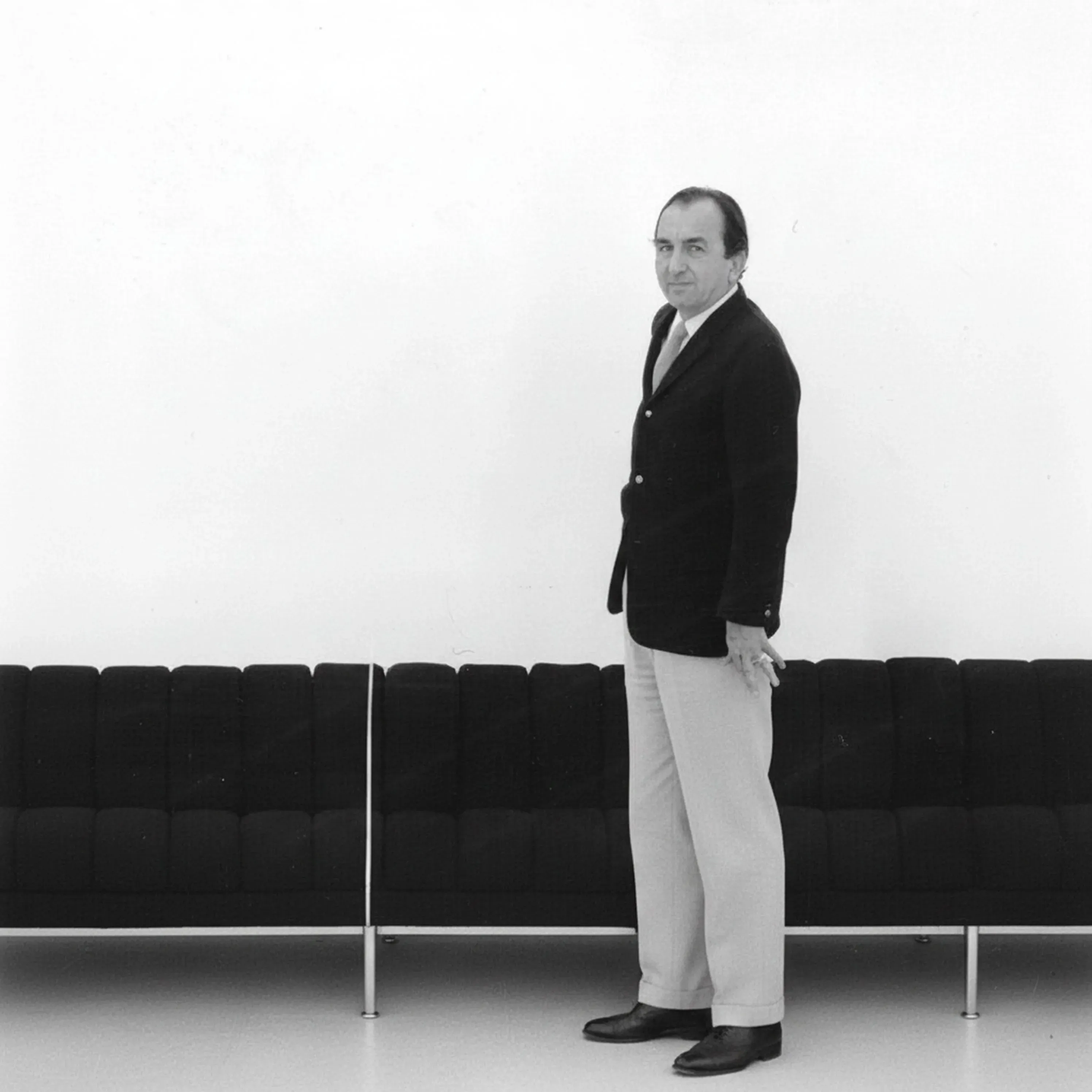
Marco Zanuso, an Italian architect, designer and educator whose career spanned over six decades, worked with industrial materials and manufacturing processes to redefine the concept of what was considered good design to include functional design as a means to enhance the human experience.
Zanuso was born in Milan and studied architecture at the Politecnico di Milano, graduating in 1939. After serving in the Italian Navy during the Second World War, he opened his own design office six years later. He was active in shaping the discourse around modern design, serving as co-editor of Domus for two years, and of Casabella a bit later.
He claimed his inquisitiveness to be a driving factor behind all his discoveries - the first of which was small, stackable plastic chair. Zanuso maintained that design was intended accessible for everyone, he first gained international attention when his works were exhibited at the Low-Cost Furniture competition at the Museum of Modern Art - the same year Arflex commissioned him to design their first models.
He was a founding member and first president of the Associazione per il Disegno Industriale (ADI) in 1954, and taught architecture, design and urban planning at the Politecnico di Milano throughout most his life.





Key Works and Projects
Several works define his contribution:
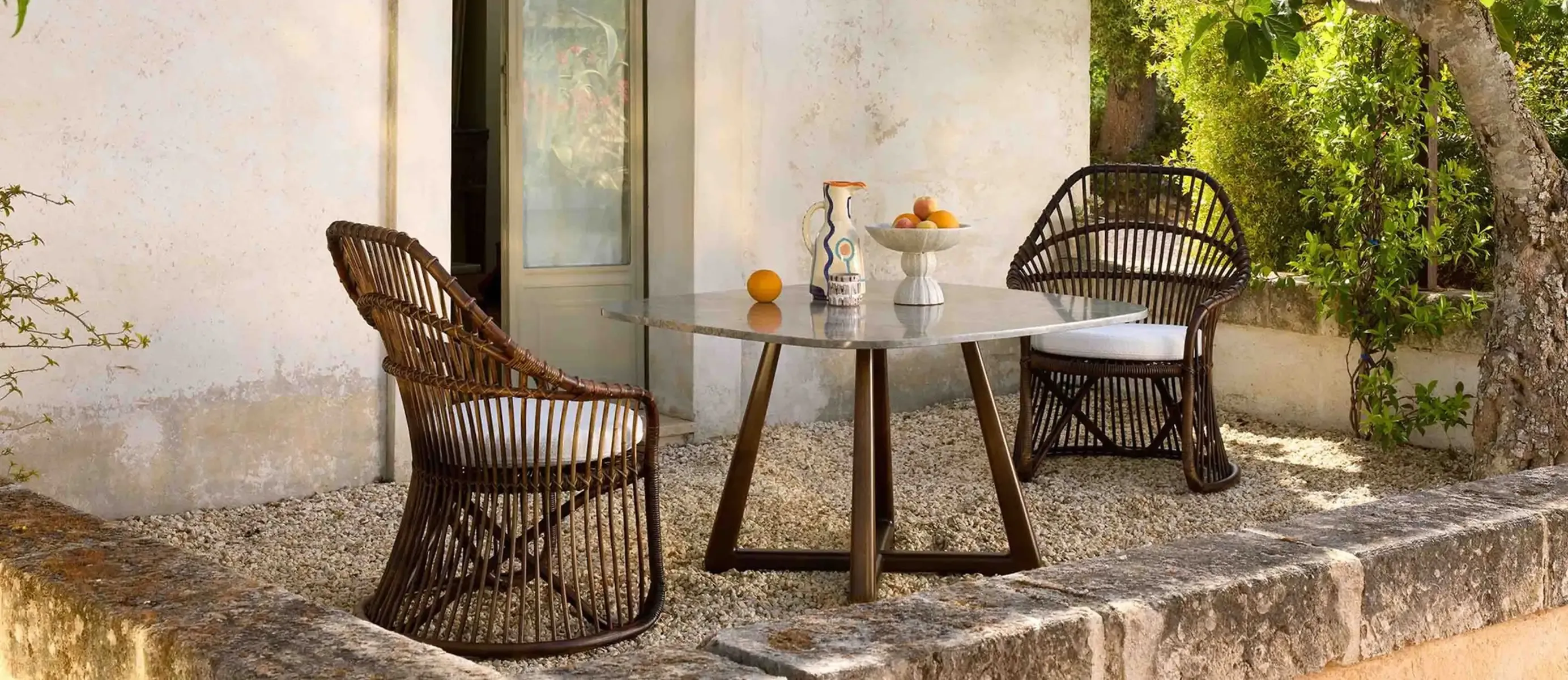
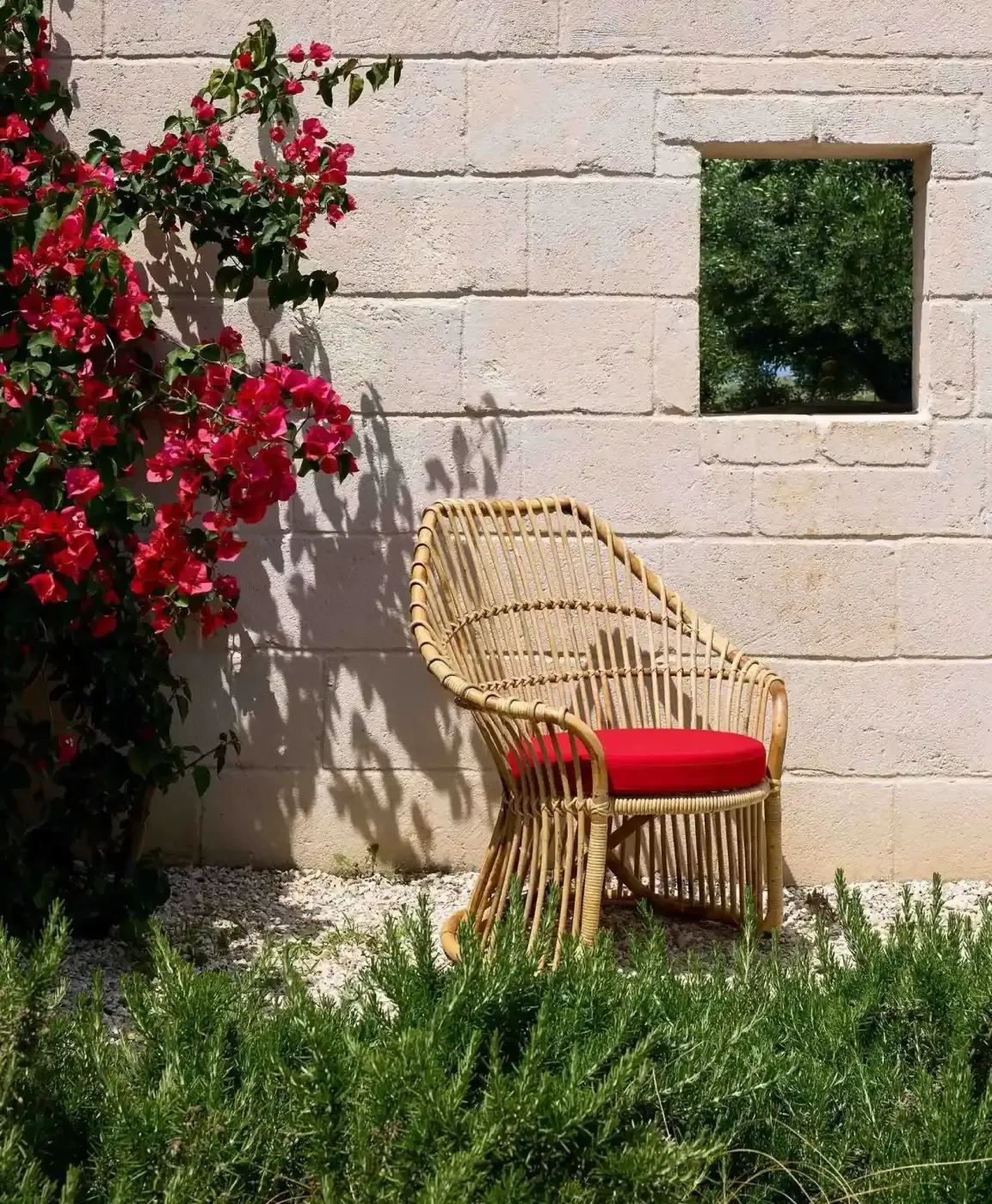
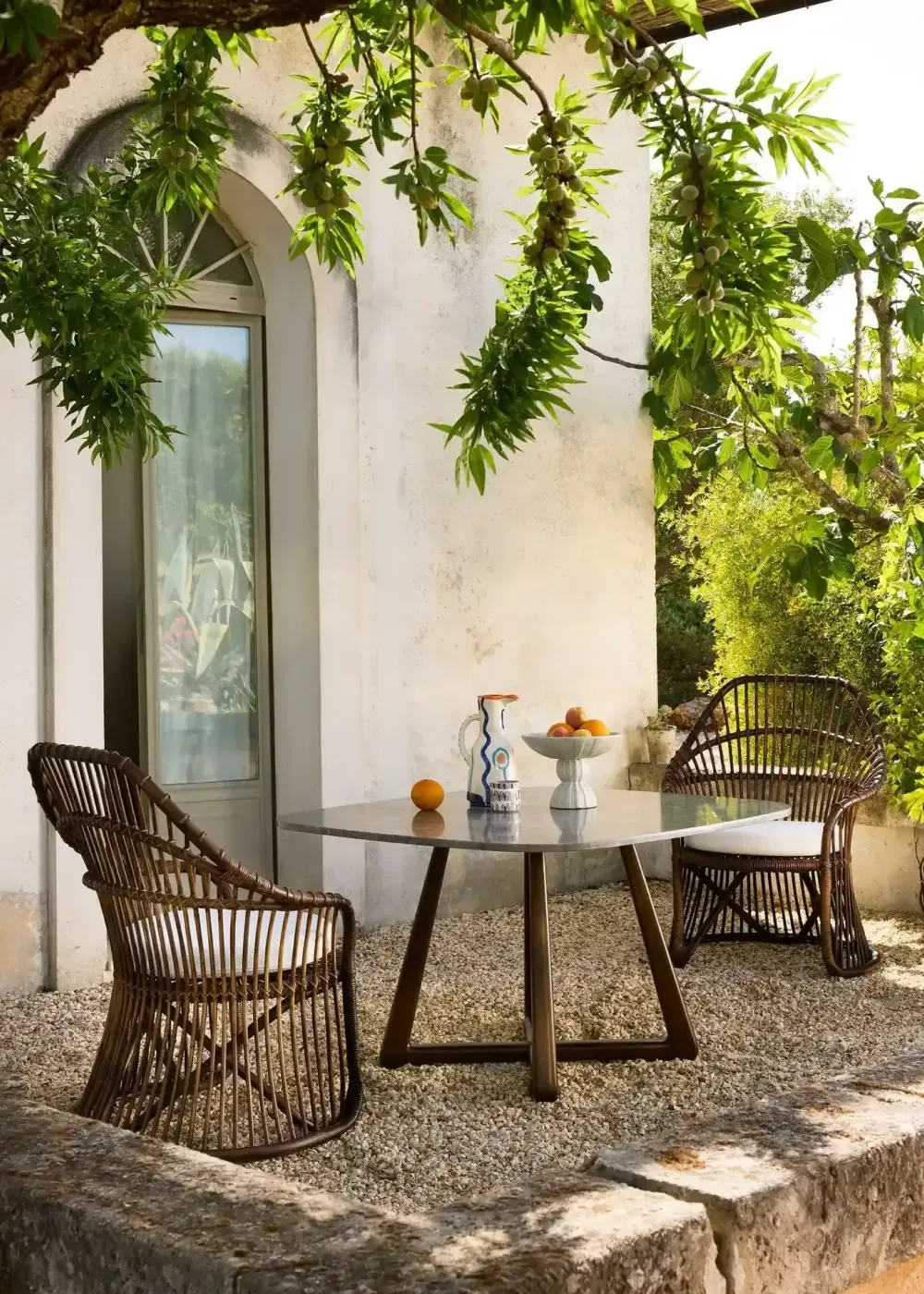
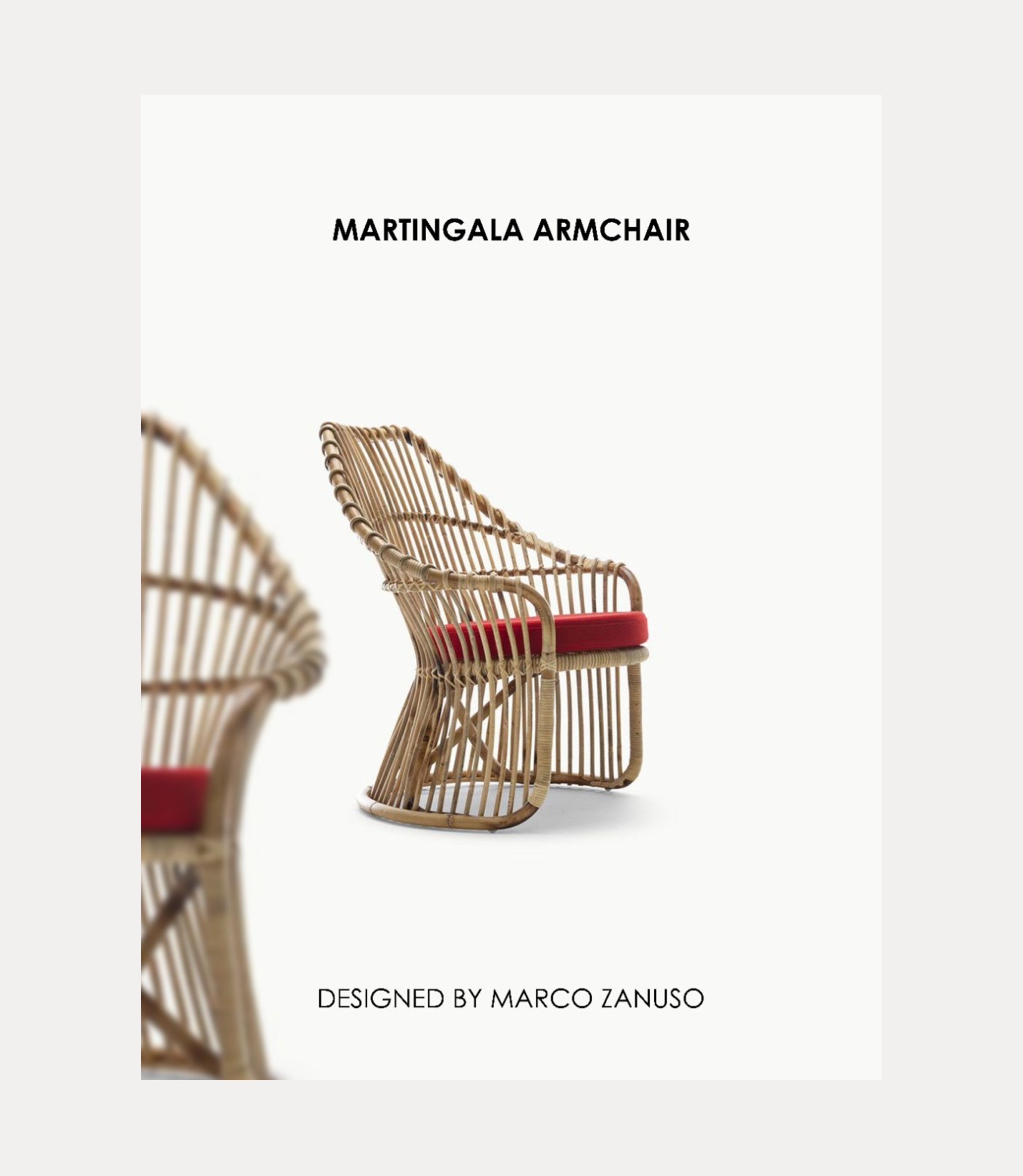
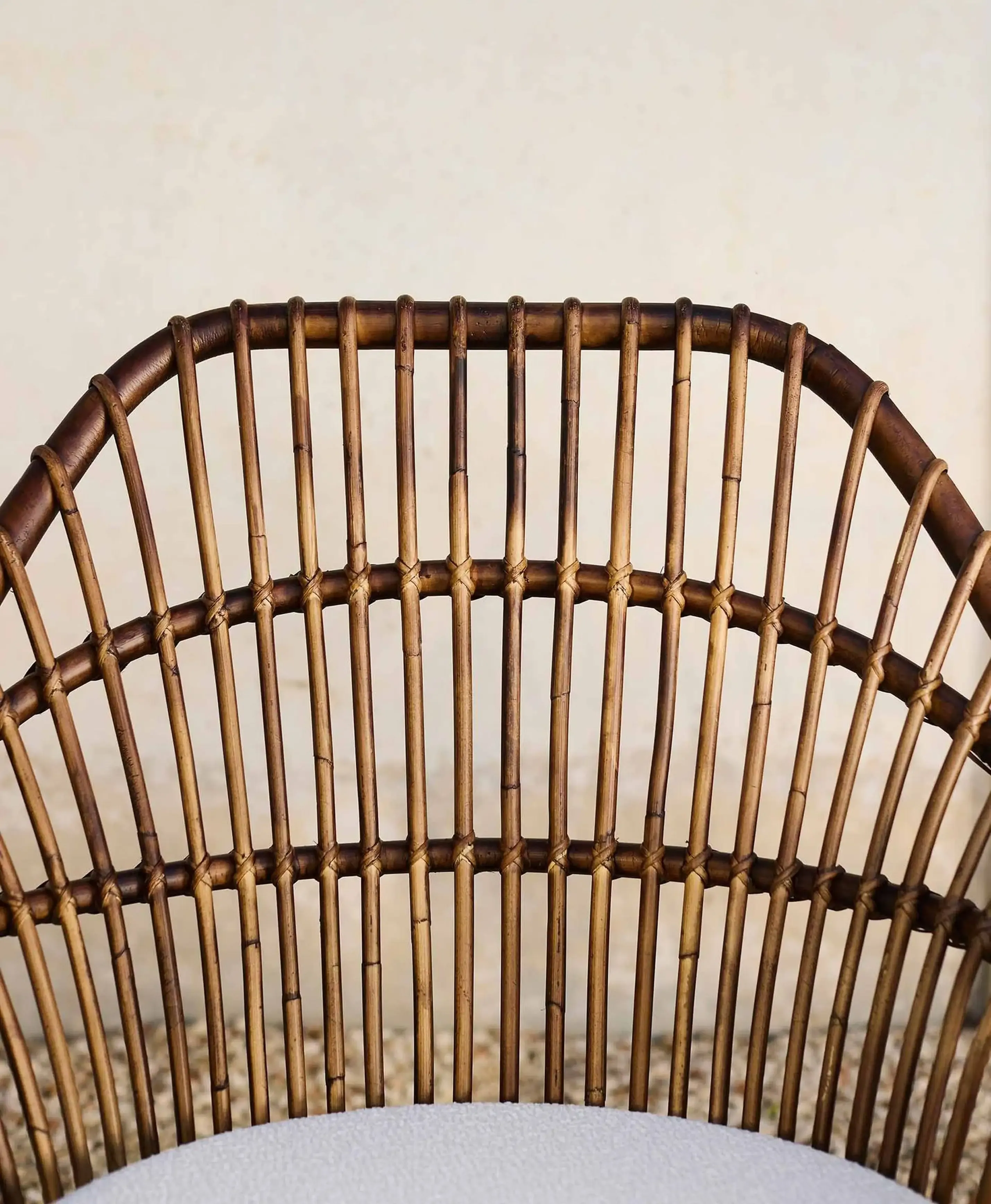
Martingala Armchair echoing the elegance of Italian mid-century style Crafted in rattan using thermo-bending techniques, it offers natural flexibility and durability for outdoor spaces.
Lounge Chair for MoMA's International Competition for Low-Cost Furniture (1948), an early experiment in bent metal that brought him international recognition and established his commitment to affordable, well-designed objects.
Antropus Chair (1949) and Lady Armchair (1951) for Arflex, the first furniture to use foam rubber upholstery at an industrial scale. The Lady Armchair, with its sensual contours and revolutionary internal structure, won the Gold Medal at the IX Milan Triennale and demonstrated how new materials could achieve comfort, efficiency and formal beauty simultaneously.
Lambda Chair (1959, with Richard Sapper) for Gavina, a steel chair fabricated using stamping and welding techniques borrowed from the automobile industry, proving that industrial manufacturing could produce furniture of refined elegance.
Beyond furniture and products, Zanuso designed factories for Olivetti in Brazil, the Piccolo Teatro in Milan, and numerous commercial and residential buildings across Italy, Argentina and South Africa.
Impact on Design History
Zanuso is widely regarded as an influential figure of Italian industrial design for his role in furthering industrial manufacturing by letting the honest exploration of materials and processes guide design choices. Where many post-war designers pursued sculptural expression or historicist references, Zanuso worked on utilising the new revolutionary upholstering system to achieve previously unattainable industrial standards.
His work with Arflex demonstrated that mass production and bespoke design were not mutually exclusive, and his collaborations with Sapper proved that technological innovation could coexist with elegance and accessibility.
Recognition and Legacy
Zanuso received seven Compasso d'Oro awards between 1956 and 1985, multiple Gold Medals at the Milan Triennale, and recognition from institutions worldwide. His work is held in the permanent collections of the Museum of Modern Art in New York, the Triennale in Milan, the Vitra Design Museum and the Cooper Hewitt Smithsonian Design Museum, among others.
The Italian postal service issued a stamp featuring his Fourline Armchair as part of a series celebrating Italian design. His partnership with Richard Sapper, which lasted nearly two decades, produced some of the most recognizable objects of the twentieth century and established a model of designer collaboration focused on rigorous research and material innovation.
How His Influence Shows Up Today
Zanuso's legacy is visible in any contemporary furniture that uses foam upholstery, injection-molded plastic or stamped metal - materials he helped legitimize for domestic use. His insistence that designers should make well-made objects accessible to everyday consumers anticipated debates that remain central to the profession today.
In interiors, his original pieces function as both usable furniture and reference points, anchoring spaces with a clarity and confidence that feel as relevant now as they did in the post-war years.
Featured products


Monday to Friday 10:00 – 18:00
Eden House, Al Satwa
Jumeirah Garden City - 41st St - Al Satwa
Dubai, United Arab Emirates